Which type of headphones is right for you?

Mixing in a quiet room

If you mainly work on stereo placement and the details of a dance track in a quiet room, open-back headphones are worth considering. beyerdynamic and Sennheiser describe their open-back models as offering features suited to stereo imaging and mixing.

Producer who also records

If you switch between mixing and recording, or there’s audible background noise, passive isolation may matter more. Closed-back models are then worth comparing.

Producer using different audio sources

If, for example, you switch between an interface and a computer, check the headphone output, plug and any adapter for each device. The number of screens does not determine the audio connection.

What should you look for when choosing?

Open-back headphones

Best for: mainly mixing in a quiet room, when stereo placement matters. beyerdynamic describes the DT 900 PRO X as having a spacious stereo image; Sennheiser positions the HD 490 PRO for music production and mixing.

Trade-off: an open-back design does not provide the isolation of a closed-back model. Also consider sound leakage if you record close to a microphone.

Closed-back headphones

Best for: recording as well as mixing, or when you want to reduce background noise. Manufacturers cite passive isolation in models such as the DT 770 PRO, ATH-M50x and K371.

Trade-off: isolation alone does not tell you how the sense of space or bass decisions will translate to other speakers. Check your choices on a familiar listening source too.

What to consider What should you check? Who does this matter most to?
Mix details and stereo placement Compare open- and closed-back models using familiar reference tracks at a comfortable listening level. When I mix a dance track in a quiet room, I want to assess stereo placement and detail properly. Around 36% of consumers say mix detail is their main concern when buying.
Isolation Consider whether you also record or work in a room with background noise; if so, compare closed-back models. If I also record or there’s background noise, isolation matters more to me than a spacious stereo image. Around 29% of consumers prioritise isolation.
Connection and power requirements Check the output on your computer or interface, the plug or adapter, and the volume with that combination. I want to know whether my headphones will work with my computer or interface’s audio output; having two screens does not change that connection. Around 21% of consumers prioritise connection and power requirements.
Fit and replaceable parts If possible, wear the headphones for longer and check whether compatible ear pads or cables can be replaced for the exact model. During long sessions, I want a fit that stays comfortable for me and to know whether parts that wear out can be replaced. Around 14% of consumers prioritise fit and maintenance.

Common pitfalls when buying studio headphones

  • Choosing an open-back model when you also record close to a microphone

    An open-back design does not provide the isolation of a closed-back model and can let sound escape into the surrounding space.

    Before buying, consider whether you’ll also use the headphones to record in the same room.

  • Assuming all DT 770 PRO versions are the same

    beyerdynamic offers the DT 770 PRO in 32, 80 and 250 ohm versions. The brand says the 250-ohm version is best suited to powerful interfaces or amplifiers.

    Check the full model name and try the version with your own audio output. You may need a different audio source or amplifier.

  • Judging comfort after only a quick try-on

    Fit is personal, and the options for replacing parts vary from model to model.

    If possible, wear the headphones for longer and look for ear pads or cables made for the exact model. Replacement parts may mean an extra purchase.

Brands to consider

beyerdynamic

For this comparison, the brand offers open-back models such as the DT 900 PRO X and closed-back models such as the DT 700 PRO X and DT 770 PRO.

  • beyerdynamic describes the open-back DT 900 PRO X as having a spacious stereo image, and the closed-back DT 700 PRO X as offering isolation.
  • The DT 770 PRO comes in 32, 80 and 250 ohm versions. Check the exact version and your audio source.

Sennheiser

The HD 490 PRO is an open-back, wired reference headphone that Sennheiser positions for music production and mixing.

  • Sennheiser lists different sets of ear pads for music production and mixing, as well as replaceable ear pads.
  • An open-back model is not an isolation solution for recording close to a microphone.

Audio-Technica

The closed-back ATH-M50x is a wired option if monitoring, passive isolation and a detachable cable matter to you.

  • Audio-Technica lists passive isolation and a detachable cable.
  • These features don’t prove that this model is the most accurate choice for every dance mix.

Sony

The MDR-7506 is a closed-back, foldable professional monitor headphone.

  • Sony lists a 3.5 mm to 6.3 mm adapter as included.
  • Its closed-back design involves different considerations from an open-back model for mixing.

AKG

The closed-back, foldable K371 is a wired option for music production where isolation matters.

  • AKG specifies a nominal impedance of 32 ohm and a weight of 255 g for the K371.
  • Manufacturer claims about neutral sound or comfort won’t predict how the fit will feel to you.

Joybuy products

This Joybuy selection includes headphones and headsets for listening and audio connections. Check whether each model’s connection and features suit the way you mix; a product listing alone does not make a model a studio reference headphone.

Sennheiser MOMENTUM 4 Wireless, black

Sennheiser MOMENTUM 4 Wireless, black

The product information lists an included 3.5 mm audio cable for wired listening; check that the connection suits your audio output.

The product name mentions noise cancelling, 60-hour battery life, fast charging and 4 microphones.

View at Joybuy
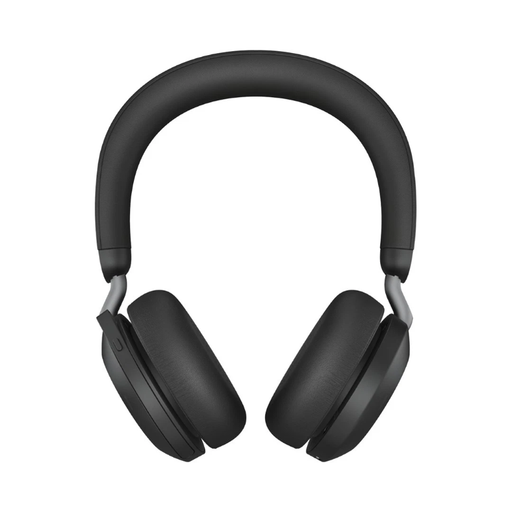
Jabra Evolve2 75 headset

Jabra Evolve2 75 headset

The product information lists Bluetooth, simultaneous connection to two devices, and use for music as well as in office and call centre settings.

Check which connection you want to use with your mixing setup; the fact that it’s listed as a headset does not automatically make it a studio reference model.

View at Joybuy
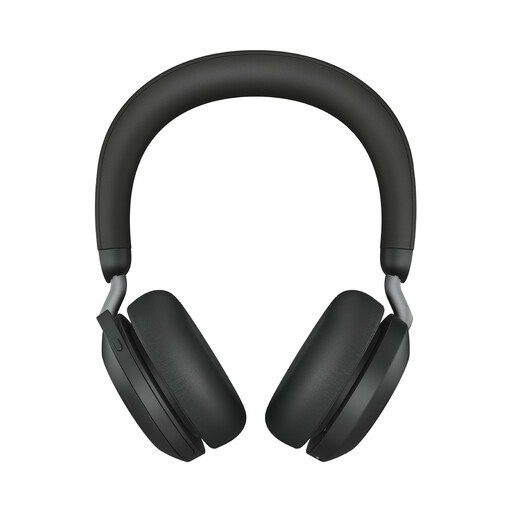
Jabra Evolve2 75 USB-A MS Teams, black

Jabra Evolve2 75 USB-A MS Teams, black

The product information lists Bluetooth, connection to two devices at once and use for music.

Check that the USB-A version and the connection you want to use are suitable for your computer or interface.

View at Joybuy
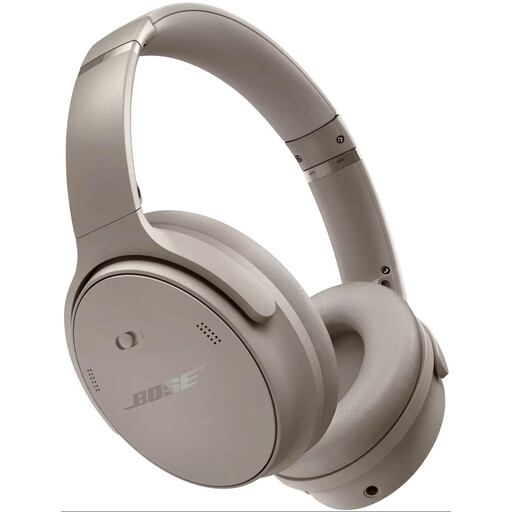
Bose QuietComfort Headphones, Sandstone

Bose QuietComfort Headphones, Sandstone

The product information lists Bluetooth and active noise cancelling.

Before choosing this model for studio work, check which connection suits your mixing setup.

View at Joybuy

Bose QuietComfort Ultra Headphones (2nd Gen), black

Bose QuietComfort Ultra Headphones (2nd Gen), black

The product information lists Bluetooth and a detachable cable with USB-C and 3.5 mm connections for wired listening.

Check which connection your audio output supports and whether it suits the supplied cable.

View at Joybuy

Frequently asked questions

Do you need special studio headphones for a two-screen setup?

No, the number of screens does not determine which headphones you need. Check which device your audio software sends sound to and what kind of headphone output that device has.

How can you reduce the risk of hearing damage during a long mixing session?

Keep the volume moderate and take regular listening breaks. The World Health Organization gives the example of a maximum of 40 hours per week at an average of 80 dB; at higher sound levels, safe listening time is shorter. This is listening advice, not a legal volume limit for purchases.

What return and warranty rights apply to an online purchase in the Netherlands?

For a standard online purchase from a trader, you generally have a 14-day right to withdraw from the contract, starting from the date you receive the goods, subject to legal exceptions. You may have to pay return costs if the seller told you this in advance. Your Europe also states that new goods bought from a trader have at least two years of legal protection against faults; check who the seller is.

Must studio headphones always carry a CE mark?

No, not automatically. According to the European Commission, CE marking is only required for products covered by specific harmonised EU rules; where it is not required, the mark must not be used. Check the rules that apply to the specific model rather than assuming there is a general CE requirement for all headphones.
