
Producer in a quiet mixing room
You want to assess the balance and positioning of an electronic track. RTINGS.com notes that open-back headphones let in more background noise and leak sound, so take your listening environment into account.


If you mainly mix in a quiet room, open-back, wired studio headphones could suit you. Choose a closed-back model if you want to reduce background noise or record with a microphone. Check the kick and bass against familiar reference tracks, make sure the connection matches your audio output, and listen to the mix on another system too. Having two screens doesn’t determine how many audio outputs you have.
You want to assess the balance and positioning of an electronic track. RTINGS.com notes that open-back headphones let in more background noise and leak sound, so take your listening environment into account.
Background noise or recording with a microphone makes isolation and reduced sound leakage more important. How well headphones isolate also depends on their fit.
You switch between two screens but listen through one audio output. Fit, cable routing and whether parts can be replaced may therefore all be worth considering.
For this setup, your listening environment and the connection to your audio output matter more than the number of screens or a quoted frequency range.
Choose these if: you mainly mix in a quiet room and want to assess sound positioning.
Bear in mind: sound can leak out and background noise is less effectively blocked; check your mix on other playback systems too.
Choose these if: household noise distracts you, or you want less sound leakage when recording with a microphone.
Bear in mind: isolation alone doesn’t prove that the sound is neutral; check the kick, sub-bass and stereo image on other systems too.
| What to consider | What to look for when buying | Who it matters most to |
|---|---|---|
| Kick, sub-bass and mix balance | Compare familiar tracks and check your mix on another playback system. | I mainly want to know whether the kick and sub-bass sit well in my mix when working in a quiet room. Around 36% of consumers give mix balance their highest buying priority. |
| Isolation and sound leakage | Consider the fit and, when recording with a microphone, check whether sound from the headphones is audible in the recording. | If you work in a shared space or record with a microphone, you’ll want to reduce background noise and sound leakage. Around 29% of consumers prioritise isolation and sound leakage. |
| Fit and maintenance | Assess the fit during a longer listening session and check whether the cable and ear pads can be replaced on each model. | For long sessions, I want a fit that stays comfortable for me and the option to replace parts. Around 21% of consumers make fit and maintenance their top buying priority. |
| Connection to your setup | Check the headphone output, the right plug, and which cable or adapter is included. | I want to connect my headphones to my existing audio output and route the cable neatly around my workspace. Around 14% of consumers start by considering the connection and cable routing. |
A specification alone doesn’t tell you how the mix balance of the exact model you’re considering will sound to you.
Listen to familiar tracks and check the kick and sub-bass on another playback system too.
Open-back headphones leak sound and do little to block background noise, as RTINGS.com explains.
In this situation, compare a well-fitting closed-back model and check whether sound from the headphones gets into your recording.
An extended warranty doesn’t automatically replace your rights with the seller. The Dutch government states that there is no fixed statutory warranty period of exactly two years for all products in the Netherlands.
Read the cover and exclusions, and compare them with your statutory rights with the seller.
The open-back HD 490 PRO is an option for mixing in a quiet room.
The open-back K702 is an option to compare for listening in a quiet room.
The closed-back DT 770 PRO X is a wired option when isolation matters.
The closed-back, wired ATH-M50x is an option to compare if isolation and cable choice matter to you.
The MDR-7506 is a wired reference headphone for recording and studio use.
These headphones are options for listening at your workspace; check that each model’s connection and features suit your mixing workflow.
 No image available
An option if you want a wired connection as well as wireless listening; the product description mentions a 3.5 mm cable and passive use without a battery.
The product name states a battery life of up to 60 hours.
The description mentions adjustable EQ and presets in the Sennheiser app.
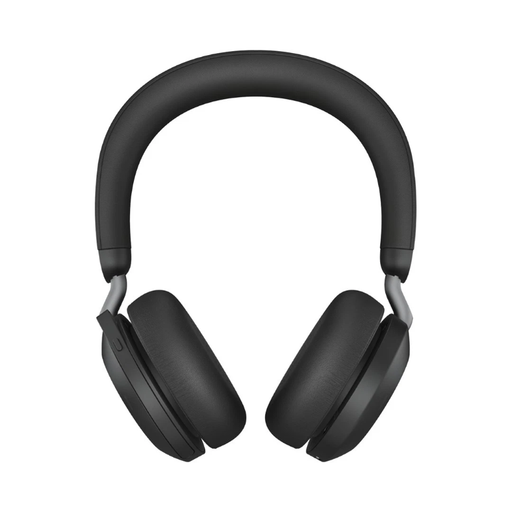 No image available
A headset option for a workspace where connecting to multiple devices and noise cancellation matter; check that its connection options suit your mixing workflow.
The product description mentions Bluetooth, connection to two devices and active noise cancellation.
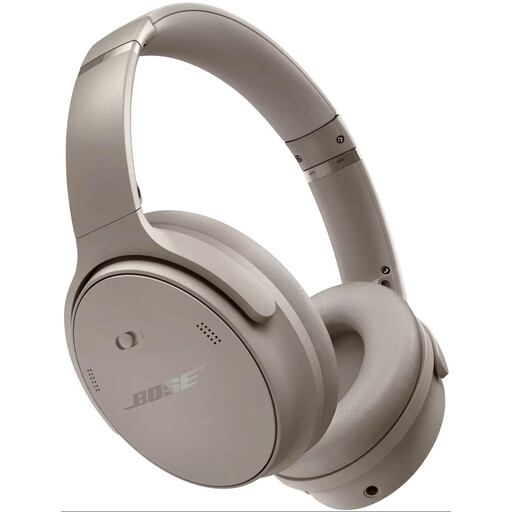 No image available
An option if you want to reduce background noise while listening; check your mix on another playback system too.
The product description mentions active noise cancellation, transparency modes and adjustable EQ.
 No image available
An option if you want to compare active noise cancellation and a wired connection; check that the included connection suits your audio output.
The product description mentions Bluetooth 5.4 and a detachable cable with a 3.5 mm connection.
The description mentions active noise cancellation.
No, not just because of your screens. Work out which device outputs the sound from your audio software, then connect your headphones to a suitable headphone output. Ableton, for example, describes connecting through an audio interface’s headphone socket; check that the plug fits your equipment.
Use familiar reference tracks and check the bass balance and stereo width in particular on another playback system. Sonarworks points out that headphones reproduce the channels differently from speakers. A calibration profile designed for a specific model can be an additional tool, but it doesn’t guarantee the result.
First check the output and plug, then start at a low volume. Ableton’s audio interface instructions say to connect the headphones to the headphone socket and then raise the volume to a comfortable level. For longer sessions, bear the volume and listening time in mind too.
For many purchases made remotely from a business, you have a 14-day cooling-off period, according to the Dutch government; check the applicable terms and exceptions. If the product develops a fault or doesn’t meet the terms of the agreement, contact the seller. The Dutch government states that there is no fixed statutory warranty period of exactly two years for all products.