If household noise makes it difficult to compare mix changes, start with a well-fitting pair of closed-back studio headphones and keep the volume under control. An open-back model may suit critical listening in a quiet room, but it won’t block out surrounding noise in the same way and lets sound escape. Also compare the fit, how they connect to your equipment and whether parts can be replaced; claims about the sound of individual models are not an independent performance ranking.
Who is this guide for?
Mixing in a noisy home
You want to compare mix versions while conversations or other household sounds are audible. So focus on the seal and fit of closed-back models. VeiligheidNL points out that a good seal can help you avoid having to listen at a higher volume.
Critical listener
You can also work when it’s quiet and want to consider whether an open-back model suits your listening needs. Sound On Sound discusses open-back models as an option when conditions allow; an open design won’t block out household noise.
Long-session home mixer
You wear your headphones during longer sessions and want to consider fit, connectivity and replaceable parts. Manufacturers including beyerdynamic, AKG and Sennheiser specify which parts can be replaced on each model; check the details for the one you’re considering.
What should you look for?
Closed-back, wired
Choose this option: if household noise is often audible while you compare mix versions, or if other people are sitting nearby.
Bear in mind: a closed-back design doesn’t guarantee that the ear pads will seal properly around your head; assess the sound separately.
Open-back, wired
Choose this option: if you want to listen critically in a quiet room and sound leakage isn’t an issue.
Bear in mind: an open back lets in more surrounding noise and lets sound out, so it isn’t an equivalent option for blocking noise when things get loud.
| What to consider |
What should you check? |
Who should give this more weight? |
| Blocking household noise |
Check whether the model is closed-back and over-ear; if possible, try it on with your usual glasses. |
If I’m comparing mix versions while other people at home are talking, I don’t want background noise to drown out the subtle differences. Around 36% of consumers give noise isolation top priority. |
| Assessing mix changes |
Compare familiar tracks and versions at the same, controlled volume; consider whether you usually work in noisy or quiet surroundings. |
If I want to hear what a change does to the same mix, I want to assess the differences rather than relying solely on a description of the sound. Around 29% of consumers prioritise this comparison. |
| Fit and maintenance |
Check the fit, including with glasses if applicable, and whether replacement ear pads are available for the exact model. |
During longer sessions, I want the headband and pads to feel comfortable, and to be able to replace worn parts. Around 21% of consumers give comfort and maintenance top priority. |
| Connecting to your equipment |
Compare the plug, any adapter, cable length and exact impedance variant with the output on your own device. |
If I’m connecting the headphones to my own interface or other listening equipment, I want to know in advance whether the plug and model are compatible. Around 14% of consumers prioritise connectivity. |
Common buying mistakes
-
Buying open-back mixing headphones to block out household noise
An open back lets sound through. A model may be suitable for critical listening, but that doesn’t mean it will block out noise in a loud room.
Consider how often you can actually work in quiet surroundings. If household noise is usually audible, compare closed-back models first and pay attention to the fit.
-
Treating a manufacturer’s sound or maximum noise reduction claim as a personal test result
A description of ‘neutral’ sound or a maximum noise reduction figure doesn’t necessarily predict how the headphones will sound or fit on your head.
If possible, compare familiar mix tracks at the same, controlled volume and assess the fit for yourself.
-
Ordering the wrong model or impedance variant
The specifications for the DT 770 PRO 80 ohm apply to that version; a similar model name doesn’t confirm that the connection and variant are the same.
Before you buy, check the full model name, impedance, plug and box contents against the details of your listening device.
If the connection isn’t compatible, you may need a suitable adapter or a different cable. Check before you order.
Relevant brands to consider
beyerdynamic
The closed-back DT 770 PRO 80 ohm is an option to compare when household noise is audible; the open-back DT 900 PRO X suits a different, quieter listening environment.
- beyerdynamic lists replaceable ear pads and a 3.5mm plug with a 6.35mm adapter for the DT 770 PRO 80 ohm.
- The manufacturer describes the DT 900 PRO X as open-back. Being suitable for mixing doesn’t mean this model blocks out household noise; consider each model and version separately.
Sennheiser
The closed-back HD 280 PRO is worth considering for working around background noise; the open-back HD 490 PRO is for quieter listening.
- Sennheiser lists replaceable ear pads for the HD 280 PRO and noise attenuation of up to 32 dB.
- ‘Up to 32 dB’ doesn’t guarantee the same level of noise reduction with every fit or type of sound. Sennheiser’s descriptions of the HD 490 PRO are manufacturer claims, not an independent comparison.
AKG
The closed-back K371 is an option if you want noise isolation and a choice of cables.
- AKG lists three detachable cables and replaceable ear pads for the K371.
- AKG itself describes the sound as having a neutral reference response and offering isolation in noisy environments. Check the fit and sound for your own use.
Audio-Technica
The closed-back ATH-M50x is worth comparing if you’re looking for an over-ear design and detachable cables.
- Audio-Technica’s European product information lists an over-ear design, 38 ohm impedance and three cables for the ATH-M50x.
- Descriptions of bass, accuracy and isolation are manufacturer claims; they don’t show that the model has a measured advantage over others.
Sony
The closed-back, foldable MDR-7506 is a monitoring model to include in your comparison.
- Sony lists a closed-back design and an included adapter for 3.5mm and 6.3mm connections.
- A place in a retailer’s ranking reflects its position on that particular list, not the model’s accuracy or noise isolation.
Joybuy products
The products below are headphones with noise cancelling and/or a stated wired listening option. Check that this combination suits your mixing workflow; these features alone don’t indicate how accurately your mix will be reproduced.
 No image available
Sennheiser MOMENTUM 4 Wireless, black
The product description lists noise cancelling to reduce background noise, plus a 3.5mm audio cable for wired listening.
View at Joybuy
 No image available
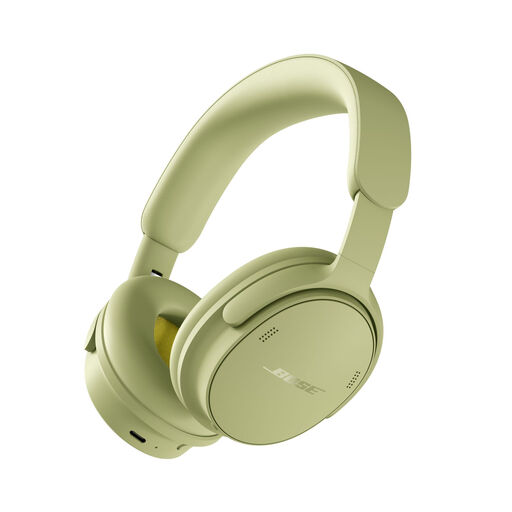
Bose QuietComfort Headphones (2nd Gen), Eucalyptus Green
The product description lists noise cancelling and wired audio via USB and the included audio cable.
View at Joybuy
 No image available
Bose QuietComfort Ultra Bluetooth Headphones, black
The product description lists active noise cancelling and an audio cable for wired listening, even without battery power.
View at Joybuy
 No image available
Bose QuietComfort Ultra Headphones (2nd Gen), black
The product description lists noise cancelling, a closed-back construction and a detachable cable.
The product information mentions magnets and advises anyone with a medical implant to consult a doctor.
View at Joybuy
 No image available
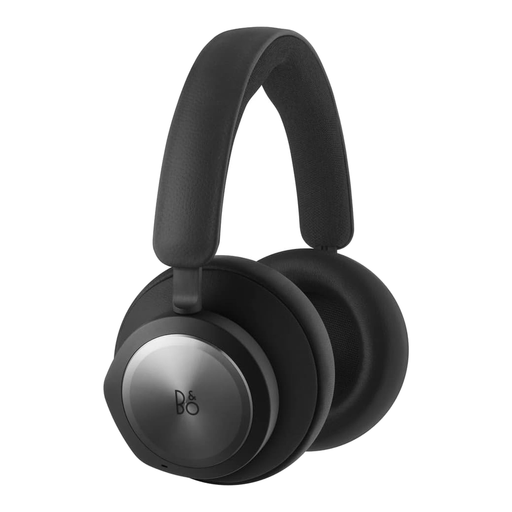
Bang & Olufsen Beocom Portal UC OE Headphones, Black Anthracite
The product specifications list active noise cancelling and a 3.5mm connection for listening via an audio cable.
View at Joybuy
Frequently asked questions
Do I always need to buy open-back headphones for mixing?
No. An open-back model may suit you if you can listen in quiet surroundings, but it lets in more background noise and lets sound out. If household noise is a regular issue, a well-fitting closed-back model is the more practical place to start; assess the sound separately.
How do I connect the headphones to my equipment?
Check the output on your device and the plug supplied with the exact model. According to beyerdynamic, the DT 770 PRO 80 ohm has a 3.5mm plug with a 6.35mm adapter; that alone doesn’t confirm how much volume your device can deliver.
What can I do if household noise makes me turn the volume up?
Check that the ear pads fit well and keep the volume under control. VeiligheidNL explains that well-sealing headphones can reduce the need to drown out background noise by turning up the volume; this doesn’t guarantee safe exposure at every volume level.
Can I replace worn ear pads?
The manufacturers list replaceable ear pads for the DT 770 PRO 80 ohm, K371 and HD 280 PRO. When buying, check that replacement pads are available for the exact model, and reassess the fit after replacing them.
What consumer rights apply to online purchases in the Netherlands?
For an eligible online consumer purchase, you generally have a statutory 14-day cooling-off period from the day after delivery. You’re also covered by the legal guarantee if a product doesn’t perform as you could reasonably expect under normal use; according to ACM ConsuWijzer, this guarantee doesn’t simply have a fixed two-year duration for every pair of headphones. Check the seller’s applicable returns policy and any legal exceptions.


