Who is this for?

Mixing strings in a quiet room

You want to judge the balance, stereo placement and reverb of string sections when there’s no room for speakers. Audio-Technica describes open-back headphones as an option for assessing ensembles spatially, while Sonarworks points out that listening on headphones is different from listening on speakers.

Mixing in a shared workspace

You’re listening while others are around, or recording at the same time. In that case, isolation and reduced sound leakage matter more than the spacious impression of an open ear cup. Audio-Technica highlights leakage as something to consider when recording.

Producer with a compact audio setup

You switch between an interface and a computer, and want to know whether the connection, cable and drive requirements suit your setup. Specifications vary by model, so check the details for the exact version and your own output.

Buying considerations

Open-back and wired

Choose this option: if you’re judging string balance, stereo placement or reverb in a quiet room without an open microphone nearby.

Bear in mind: there’s less isolation and more sound leakage. An open-back design also doesn’t automatically make a headphone mix translate well to speakers.

Closed-back and wired

Choose this option: if you work in a shared or noisy space, or use a microphone while recording.

Bear in mind: isolation and sound leakage vary by model. Check the string balance, pan positions and reverb on a second listening system too.

Buying consideration What to look for Who it’s for
Assessing the spatial sound of strings Compare with familiar string or orchestral reference tracks, and check the mix on another listening system too. If you mainly want to judge the balance, placement and reverb of string sections, spatial presentation is your first consideration. Around 33% of consumers in this choice breakdown put it first.
Isolation and sound leakage Consider open microphones, background noise, fit and audible leakage. If you work in a shared or noisy space, or record at the same time, you’ll want to reduce background noise and sound leakage. Around 27% of consumers prioritise this.
Connection and cable space Check that the plug works with your interface or computer, the cable is long enough and your output can drive the model to a usable level. If you switch between devices at a small desk, you’ll want the plug and cable to fit your setup and your output to drive the headphones properly. Around 20% of consumers prioritise this compact setup.
Comfort and maintenance Check the fit, including if you wear glasses; see which parts are replaceable, and listen at a moderate volume with regular breaks. For long listening sessions, you’ll want a fit that remains comfortable for you and to know which cables or ear pads can be replaced. Around 20% of consumers make comfort and maintenance their main buying consideration.

Common buying mistakes

  • Automatically choosing open-back headphones for every string session

    If a microphone is open, sound from your headphones can end up in the recording. In a shared space, leakage can also disturb other people.

    First decide whether you’re only mixing or recording at the same time, and whether the room is quiet and private.

  • Treating a stated frequency range as proof of a neutral mix

    A manufacturer’s specification or description of the sound isn’t an independent measurement, and doesn’t prove that your mix will hold up on other listening systems.

    Compare with familiar recordings, check the fit and listen to the mix outside your headphones too.

  • Leaving cable and maintenance checks until after you buy

    A cable can get in the way on a small desk. For the classic DT 770 PRO, beyerdynamic recommends having the cable replaced by a service centre or qualified professional. Sennheiser lists replaceable parts for the HD 490 PRO. Replacement or servicing may involve extra costs.

    Before buying, check the exact version, connection, included cable length and model-specific spare parts.

Brands to consider

beyerdynamic

The open-back DT 900 PRO X and closed-back DT 770 PRO 80 Ω offer different options for mixing and isolation.

  • beyerdynamic specifies a detachable cable and 48 Ω for the DT 900 PRO X; the manufacturer describes the DT 770 PRO 80 Ω as a closed-back design.
  • The cable on the classic DT 770 PRO isn’t detachable in the same way. beyerdynamic recommends having it replaced by a service centre or qualified professional. This applies to the models mentioned, not necessarily the whole brand.

Sennheiser

Sennheiser positions the open-back HD 490 PRO for mixing, and offers the closed-back HD 280 PRO as an alternative for isolated monitoring.

  • Sennheiser lists two types of replaceable ear pad for the HD 490 PRO; the manufacturer describes the HD 280 PRO as closed-back and foldable.
  • Check which version you’re buying: the HD 490 PRO and HD 490 PRO Plus come with different accessories.

Audio-Technica

The open-back ATH-R70x is a reference model for critical listening. Audio-Technica also explains the differences between open and closed ear cups.

  • Audio-Technica specifies an impedance of 470 Ω and a detachable cable for the ATH-R70x.
  • Check that your own output can drive the model appropriately. The sound characteristics described by the manufacturer aren’t an independent performance measurement.

AKG

The closed-back, foldable K371 is an option if isolation and easy storage matter at a small desk.

  • AKG Netherlands lists three detachable cables and replaceable ear pads.
  • Claims about neutral sound and isolation come from AKG; judge the fit and mix balance for yourself.

Neumann

Neumann describes the open-back NDH 30 as headphones for assessing stereo when mixing and mastering.

  • Neumann lists precise localisation and wearing comfort as features of the NDH 30.
  • These are manufacturer claims. If isolation or monitoring with a microphone is your priority, compare a closed-back design too.

Joybuy products

According to the product information, these over-ear headphones also offer a wired listening option. Check that the connection and sound suit your mixing setup.

Sennheiser MOMENTUM 4 Wireless, black over-ear headphones

Sennheiser MOMENTUM 4 Wireless, black

An option if you also want to listen through a wired connection with a compact setup; the product information lists an included 3.5mm audio cable.

The product name mentions noise cancelling, 60-hour battery life, fast charging and four microphones.

View at Joybuy

Bose QuietComfort Ultra Headphones (2nd Gen), olive green

Bose QuietComfort Ultra Headphones (2nd Gen), olive green

Could suit you if you want to listen through a wired connection at your desk; the product information lists a detachable cable with USB-C and 3.5mm connections.

View at Joybuy
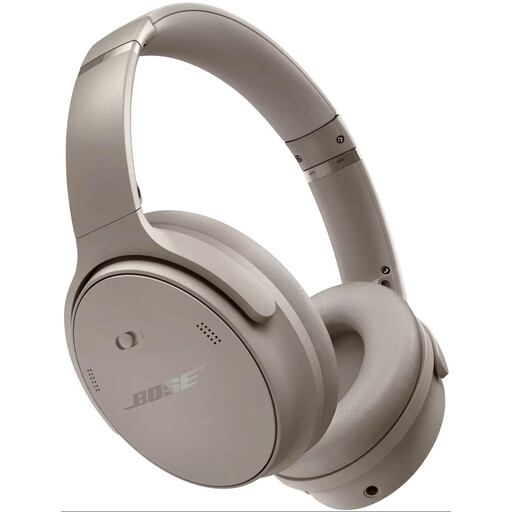
Bose QuietComfort Headphones, sandstone

Bose QuietComfort Headphones, sandstone

Worth considering if you’re looking for headphones with a wired listening connection; the product information lists a 3.5mm connection and cable.

View at Joybuy
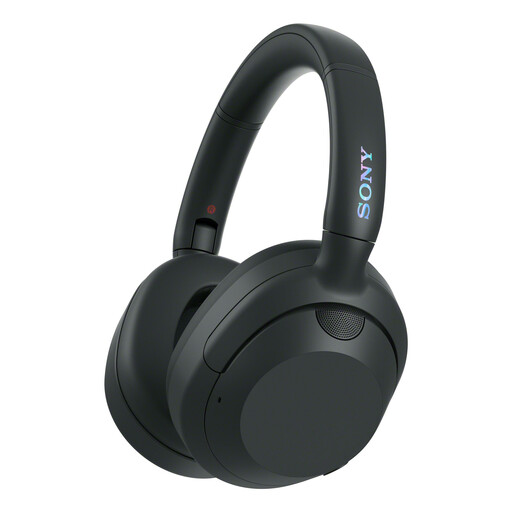
Sony WH-ULT900N ULT Wear noise-cancelling over-ear headphones, black

Sony WH-ULT900N ULT Wear, black

Could suit you if you want to monitor from a wired source; the product information lists a 3.5mm connection and cable.

The product name describes these as over-ear noise-cancelling headphones.

View at Joybuy

Frequently asked questions

Can I use open-back headphones while recording strings?

If a microphone is open nearby, well-fitting closed-back headphones are generally the more sensible choice for reducing leakage. Audio-Technica notes that limited leakage matters when recording. For mixing in a quiet room without an open microphone, you can compare open-back models too.

Do I always need a separate amplifier for headphones at my desk?

No, you can’t tell from the category or an impedance rating alone. Check that the connection is suitable and that your computer or audio interface can drive the specific model to a usable, moderate level. The DT 900 PRO X and ATH-R70x mentioned here have different specified impedance ratings.

How can I check a mix I’ve made mainly on headphones?

Compare it with familiar reference recordings, and listen to the balance, stereo placement and reverb on another system too. Sonarworks explains that headphones deliver the stereo channels to your ears differently from speakers. Using crossfeed is one possible approach, not a guarantee of a better mix.

What should I consider for long listening sessions and maintenance?

Keep the volume moderate, take breaks and check which cables and ear pads can be replaced for each model. The World Health Organization gives listening at 80 dB for up to 40 hours a week as an example; this isn’t a legal limit or a fixed setting on every volume control.

What are my rights when buying online as a consumer in the Netherlands, including the cooling-off period and guarantee?

According to the Dutch government, when you buy online from a business, you generally have a 14-day cooling-off period; relevant exceptions and conditions may apply. There’s no fixed statutory guarantee period in the Netherlands. If a product is faulty, the seller must offer an appropriate solution, depending in part on what you could reasonably expect from the product. These rules don’t necessarily apply to business purchases.
