Who is this for?

Student mixing strings in a quiet room

You mainly want to judge the balance and placement of instruments, and can choose a quiet time to listen. An open-back model is worth comparing, but it won’t automatically block out ambient noise. beyerdynamic and Sennheiser describe their open-back models, while Sonarworks explains why a headphone mix can sound different from listening through speakers.

Student in a shared, noisy room

You want to judge quiet passages despite conversations or other distracting sounds. Closed-back models are an option to compare; the fit also affects how well they seal. beyerdynamic, AKG and Audio-Technica describe closed-back models for monitoring.

Student who also records strings

You use your headphones for recording as well as mixing. Bear in mind that sound from the ear cups could reach the microphone. Audio-Technica and beyerdynamic describe closed-back models for monitoring or recording.

What should you look for when choosing?

Open-back, wired

Choose this when: you mainly mix in a quiet room and want to judge instrument balance and placement.

Trade-off: an open-back design won’t block out distracting room noise and may let sound leak into a microphone.

Closed-back, wired

Choose this when: conversations or other room noise make quiet parts difficult to hear, or you monitor while recording.

Trade-off: how well they seal partly depends on the fit; a closed-back design doesn’t guarantee complete silence or a neutral sound.

What to consider What should you look for? Who is this important for?
Instrument balance and stereo placement Compare a familiar track and listen to the mix on another playback setup too. I want to hear whether the strings are easy to distinguish and sit in the intended positions. Around 33% of consumers prioritise instrument balance and stereo placement.
Isolation and sound leakage during recording Try the fit in your usual listening position; if you’ll be recording, make a test recording. If conversations make quiet passages difficult to hear, or I’m recording with a microphone, I want to know how a closed-back model works in my situation. Around 27% of consumers prioritise blocking out room noise.
Comfort If possible, try the headphones during a representative listening session. For longer mixing sessions, I want to know whether the headband and ear pads feel comfortable. Around 20% of consumers prioritise comfort.
Connection and care Check that the plug and any adapter work with your own output, and find out which parts are compatible with the exact model. I want to connect the headphones to my laptop or audio interface and know how to care for the cable or ear pads. Around 20% of consumers prioritise connection and care.

Pitfalls to avoid when buying

  • Choosing an open-back model when the room is often noisy

    An open-back model for critical listening won’t solve problems caused by distracting ambient noise, which can make quiet parts harder to judge.

    First, consider whether you can usually mix in a quiet room. If not, compare a closed-back model and pay attention to the fit.

  • Assuming a closed-back model guarantees a neutral mix or complete silence

    How well the headphones seal partly depends on the fit, and listening on headphones doesn’t give you the same stereo presentation as listening through speakers.

    Try the fit in the kind of room noise you want to block out, and check your mix on another playback setup too.

  • Treating impedance or a manufacturer’s claim as a complete test

    A model’s impedance rating doesn’t tell you how much power the unknown output of your laptop or audio interface provides.

    Check the connection and try your own source at a safe listening level before buying extra equipment.

  • Confusing a manufacturer’s warranty with your statutory rights

    In the Netherlands, a voluntary manufacturer’s warranty and your statutory rights when a product doesn’t meet reasonable expectations are two different things.

    Before paying for an optional extended warranty, check what extra cover it provides.

Brands to compare

beyerdynamic

The DT 900 PRO X is an open-back model for critical listening and mixing. The closed-back DT 700 PRO X is another option if isolation matters.

  • beyerdynamic specifies both models as wired, with 48 ohm impedance and detachable cables.
  • The models differ in design and isolation. Sound and comfort still depend on the listener and how the headphones are used.

Sennheiser

The open-back HD 560S is worth comparing for analytical listening during quiet mixing sessions.

  • Sennheiser lists an open-back design and a nominal impedance of 120 ohm.
  • An open-back model won’t block out noise from housemates. Check that your own equipment’s output is suitable for the model.

AKG

The closed-back K371 is worth comparing for a shared room. It has detachable cables and a foldable design.

  • AKG lists three detachable cables and replaceable ear pads.
  • Claims about a neutral response and isolation come from AKG. Try the fit and sound for yourself, and check the specifications for the exact variant.

Audio-Technica

The closed-back ATH-M40x is another model to compare if you combine tracking and mixing.

  • Audio-Technica specifies closed ear cups, two detachable cables included in the box and 35 ohm impedance.
  • The terms ‘flat’ and ‘accurate’ are manufacturer claims; they don’t prove that the model will sound more neutral for every string mix.

Headphones and headsets at Joybuy

The Joybuy products below are headphone and headset models. When mixing strings, check that they connect to your own equipment and listen to the mix away from your headphones too.

Sennheiser MOMENTUM 4 Wireless, black

Sennheiser MOMENTUM 4 Wireless, black

The product information lists Bluetooth, active noise cancellation and wired listening. Check that the wired connection works with your equipment.

The title states a 60-hour battery life and fast charging. The description mentions a 3.5mm audio cable and passive use without a battery.

View at Joybuy

Bose QuietComfort Ultra, black

Bose QuietComfort Ultra, black

The product information lists Bluetooth, active noise cancellation and an audio cable for wired listening. Check that the connection works with your equipment.

View at Joybuy
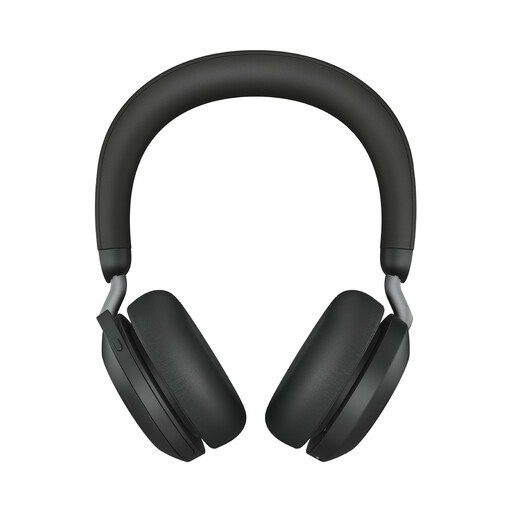
Jabra Evolve2 75, USB-A, MS Teams, black

Jabra Evolve2 75, USB-A, MS Teams, black

The product information lists Bluetooth and active noise cancellation. Check that this headset’s connection and configuration suit your equipment and how you plan to use it.

View at Joybuy
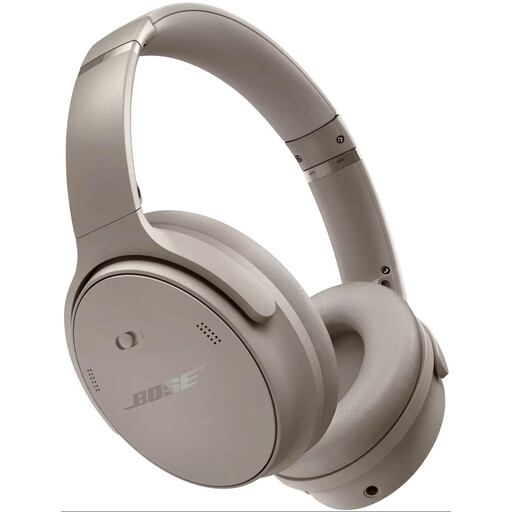
Bose QuietComfort, Sandstone

Bose QuietComfort, Sandstone

The product information lists Bluetooth, active noise cancellation and an audio cable. Check the connection and fit for your own listening setup.

EQ adjustment via the app is also listed.

View at Joybuy

Bose QuietComfort Ultra Headphones (2nd Gen), black

Bose QuietComfort Ultra Headphones (2nd Gen), black

The product information lists active noise cancellation and wired listening. Check which connection your equipment requires.

Bluetooth 5.4 and a detachable cable with USB-C and 3.5mm connections are listed.

View at Joybuy

Frequently asked questions

Can I mix my string arrangement entirely on headphones?

You can make mixing decisions on headphones, but check the balance and stereo placement on another playback setup too. Sonarworks explains that sound reaches your ears differently when listening through speakers than when using headphones, so a mix that sounds wide won’t necessarily sound the same elsewhere.

How do I connect studio headphones to my laptop or audio interface?

Check the headphone output against the plug and any adapter supplied with the exact model. For example, the DT 900 PRO X and DT 700 PRO X are specified with a 3.5mm plug and a 6.35mm adapter. Try them with your own output to see whether it provides enough volume at a normal, safe listening level.

How can I keep longer mixing sessions safe and my headphones in good working order?

Don’t keep turning up the volume to drown out room noise, and take listening breaks. The World Health Organization gives 80 dB for up to 40 hours per week as an example of safe listening; at higher levels, safe listening time decreases. For maintenance, check which cables and ear pads are replaceable on your exact model. This is listening advice, not a legal requirement for making a purchase.

What are my rights in the Netherlands if headphones bought online aren’t as described?

When you buy as a consumer, the product must meet the reasonable expectations you’re entitled to have of it. ACM ConsuWijzer explains that the seller is responsible for providing an appropriate free solution if a product doesn’t meet those expectations during normal use. In the Netherlands, the statutory guarantee doesn’t have a fixed two-year limit. For online purchases, you generally have 14 days from delivery to change your mind, subject to legal exceptions and conditions. The European Union explains that return costs should be considered separately from any voluntary manufacturer’s warranty.
