
Mixing in a quiet home office
You want to judge the position of voices, music, effects and reverb in the mix without background noise dominating what you hear.


If you’re mixing in a quiet room and mainly want to judge the placement of voices, music and effects, start with open-back studio headphones. If household noise distracts you, or you’re recording with a microphone at the same time, compare closed-back models. In either case, check the fit, connection and compatibility with your equipment. Neither design is a substitute for checking your mix on other playback systems.
You want to judge the position of voices, music, effects and reverb in the mix without background noise dominating what you hear.
You mainly need to cut out distractions from external noise, or want to stop sound from your headphones being picked up by the microphone while recording.
Your choice depends heavily on the fit, as well as practical details such as the cable, connection and whether the ear pads can be replaced.
First, decide whether your room is quiet enough for open-back headphones or whether isolation matters more. Then compare fit, connection and maintenance for the exact model.
| What to consider | What should you check? | Who should consider this? |
|---|---|---|
| Spatial mixing | Compare familiar clips at the same volume, and check your mix on other playback systems too. | If you mainly want to judge the placement and balance of dialogue, music and effects, consider how the headphones present the sound. Around 33% of consumers say assessing spatial mixes is their main consideration. |
| Isolation | Consider how much household noise there is and whether the ear pads fit snugly. | If household noise masks quiet passages or you’re recording at the same time, you’ll want to limit distractions and sound leakage. Around 27% of consumers prioritise isolation. |
| Comfort during long sessions | Check the fit during longer listening sessions and see whether the ear pads can be replaced. | If you mix for long stretches, you’ll want headphones that feel comfortable, including when wearing glasses. Around 20% of consumers say comfort is their main consideration. |
| Connection and maintenance | Check that the plug is compatible with your audio interface or computer, and confirm which cable and parts come with the exact model. | If your equipment requires a particular connection or you want to be able to replace parts, make sure the headphones suit your setup. Around 20% of consumers prioritise practical connections and maintenance. |
Background noise can mask quiet passages. Turning up the volume isn’t a good substitute for a quieter listening environment.
Consider how much noise you can hear while mixing. If distractions are a problem, compare a suitable closed-back model and keep the listening volume moderate.
Isolation and a spacious listening presentation meet different needs. One feature doesn’t prove that a model is better for every mixing decision.
If you don’t need isolation, compare an open-back model using familiar theatre clips too. Don’t rely on a single pair of headphones as your only way to check the final mix.
A specification on its own won’t tell you whether the fit is comfortable or the connection is compatible with your equipment.
Check the exact model, plug, included parts and fit before making your choice.
The open-back HD 490 PRO is an option for mixing in a quiet room. It comes with interchangeable ear pads for producing and mixing.
The open-back DT 900 PRO X and closed-back DT 700 PRO X offer different design options for a quiet room or a situation where isolation matters more.
The open-back ATH-R50x is designed for listening in a quiet home studio. It’s worth comparing if replaceable parts are a priority.
Neumann positions the open-back NDH 30 for tasks including editing, mixing and mastering in a quiet room.
The closed-back K371 is an option to compare if you want to reduce background noise while mixing.
These product picks focus on headphones for listening where background noise is a consideration. Check separately whether they’re suitable for critical mixing of a theatre soundtrack.
 No image available
Could suit you if you’re looking for wireless over-ear headphones with noise cancelling. Check separately whether their sound meets your requirements for monitoring a mix.
The product name lists a 60-hour battery life, fast charging and 4 microphones.
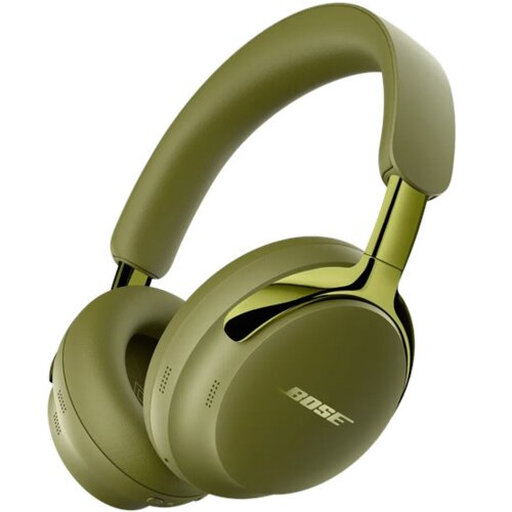 No image available
Could be worth considering if you want noise cancelling. Also check whether this model is suitable for the mixing decisions you want to make at home.
Colour option: Olive Green.
 No image available
Could suit you if you’re looking for closed-back headphones with noise cancelling. Check the fit and whether their sound presentation works for your mixing workflow.
Colour option: black.
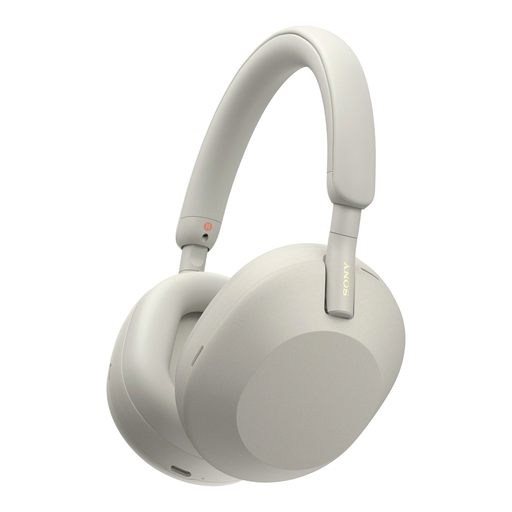 No image available
Could be worth considering if you want to listen wirelessly and reduce background noise. Check whether these headphones are also suitable for your mix checks.
The product name lists noise cancelling and the colour silver.
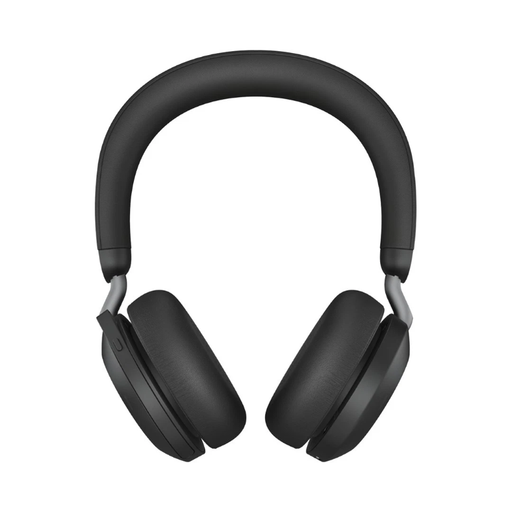 No image available
Could be worth considering if you’re looking for a headset for office work. Check whether its sound is suitable for critically listening to dialogue, music and effects.
It can be impractical: sound from open-back earcups may be picked up by a microphone. If you’re recording and listening through headphones at the same time, compare a closed-back model and check for sound leakage in your setup.
Keep the volume moderate and take regular listening breaks. The World Health Organization stresses that both sound level and exposure time matter, so adjust your listening habits accordingly.
For the exact model, check whether the cable and ear pads can be replaced, and which plug is compatible with your audio interface or computer. Also check which parts are included with the version you’ve chosen.
Online consumer purchases generally come with a statutory cooling-off period. ACM ConsuWijzer states that this is 14 days after delivery, although exceptions may apply depending on the purchase. If a product is faulty, the seller is responsible for the statutory guarantee; any manufacturer’s guarantee doesn’t replace those rights. This applies to consumer purchases and not necessarily to business purchases.