
Mixing in a quiet workspace
You mainly assess balance and detail, and sound leakage isn’t a concern. Compare open-back, wired models, and check an important mix on another playback system too.


If you work in a quiet room of your own, open-back, wired headphones are an obvious choice for checking your mix. In a shared or noisy space, closed-back headphones are more practical because they reduce background noise and sound leakage, as Headphones.com explains. Having two screens doesn’t determine which connection you need: check the audio output on your computer or interface, and listen to important mix decisions on another playback system too, as mixing on headphones has its own limitations.
You mainly assess balance and detail, and sound leakage isn’t a concern. Compare open-back, wired models, and check an important mix on another playback system too.
You want to be less affected by background noise while listening, or avoid disturbing others. Compare closed-back models and check how well the ear pads fit when you try them on.
You work for long periods at a two-screen setup and may switch between a computer and an audio interface. Check the plugs, cable length, whether the cable and ear pads can be replaced, and your listening volume.
Start by choosing headphones that suit your space and listening needs. Then check that they work with the audio output you actually use.
Best for: checking a mix in a quiet space, especially when you’re assessing balance and detail.
Bear in mind: open-back headphones can leak sound and provide less isolation. Headphones.com explains how they differ from closed-back models.
Best for: a shared or noisy space, or when you also record as well as check your mix.
Bear in mind: closed-back ear cups don’t automatically make headphones suitable for every mix. Assess the sound and fit separately.
| What to consider | What to look for | Who should pay particular attention? |
|---|---|---|
| Mix detail and translation | Use familiar reference tracks and check important decisions on another playback system. Sonarworks explains that mixing on headphones has its own limitations. | If I’m mainly assessing balance and detail, I want to know whether the mix will hold up elsewhere too. Around 33% of consumers prioritise mix assessment. |
| Isolation | Consider whether you work or record in a shared space, and check that the ear pads fit snugly. | If I work with others or find background noise distracting, isolation is a factor in my choice. Around 27% of consumers prioritise isolation. |
| Comfort and listening volume | Check the fit and whether the ear pads can be replaced. Keep the volume low and take regular breaks. The WHO gives 80 dB for up to 40 hours a week as an example, not as a personal safe listening limit. | For long sessions, I want headphones that are comfortable and can be used responsibly. Around 20% of consumers prioritise long-term use. |
| Connection and maintenance | Check your audio output, the plug supplied and whether you need an adapter. beyerdynamic lists a 3.5mm plug with a 6.35mm adapter for the DT 900 PRO X. Also check whether the cable on the version you’re considering can be replaced. | If I switch between a computer and an audio interface, I want to know whether the plug and cable will work with my equipment. Around 20% of consumers prioritise connection and maintenance. |
In a shared or noisy space, open-back headphones can leak sound and provide less isolation. Your choice therefore also depends on where you listen and whether you record.
First, choose based on your space and recording needs. Then compare the sound of models that suit that situation.
Headphones vary in frequency response, and a mix can sound different on another playback system.
Use familiar reference music and check important decisions on another playback system too.
Checking on several playback systems takes extra listening time.
The Bax Music listing shows the DT 770 PRO 80 ohm and 250 Ohm separately. beyerdynamic specifies a nominal impedance of 80 ohm for the 80-ohm version.
Check the full model variant and whether your audio output can drive it adequately.
If your output can’t drive the version you’ve chosen adequately, you may need a different audio output or an additional amplifier.
The open-back DT 900 PRO X and closed-back DT 770 PRO 80 ohm offer different options to compare for different workspaces.
The open-back HD 490 PRO is worth considering if you’re looking for interchangeable ear pads with different tuning.
The closed-back ATH-M40x is a wired option to compare if isolation and replaceable cables matter to you.
Sony offers the MDR7506.EU in the Netherlands for recording and studio use.
The open-back K702 is worth comparing for mixing and mastering in a quiet environment.
This Joybuy selection includes headphones and headsets for your workstation. Check whether each model suits your audio output. A product name alone doesn’t establish whether it’s suitable as a reference for accurate mix assessment.
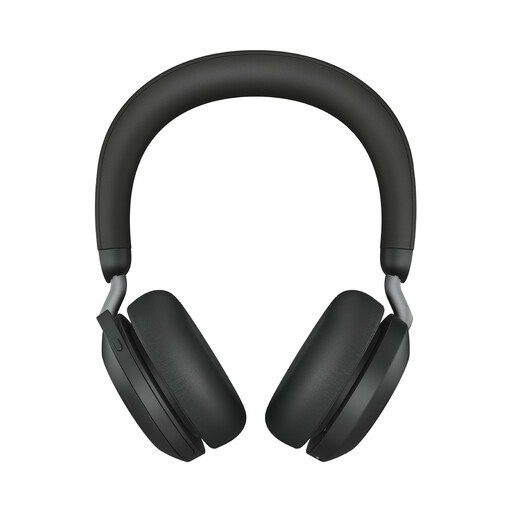 No image available
Consider this version if you’re specifically looking for a USB-A model with MS Teams. That product description alone says nothing about mixing accuracy.
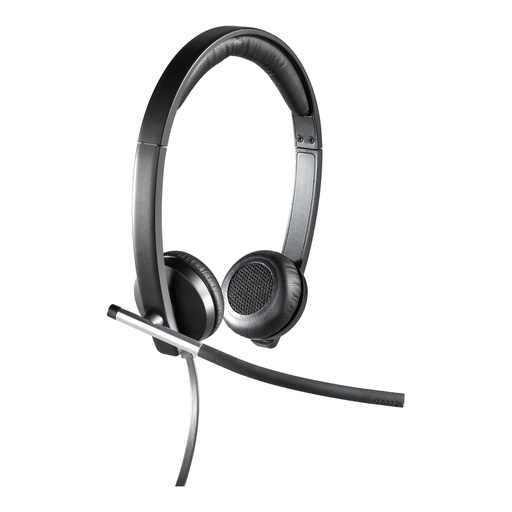 No image available
The product name describes this as a wired stereo headset. Check that its connection matches your workstation’s audio output, and listen to your mix on another playback system too.
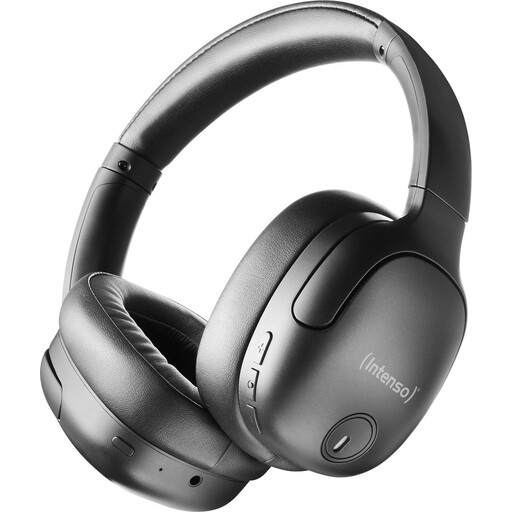 No image available
The product name identifies these as over-ear headphones. Check which connection you need, and test mix decisions with familiar reference music and another playback system.
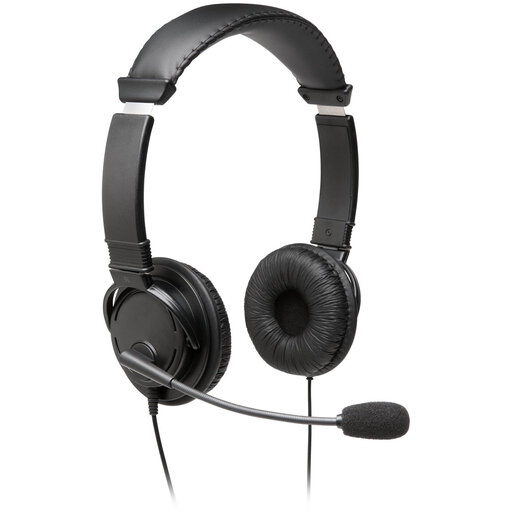 No image available
The product name specifies USB Hi-Fi and a microphone. Check that USB works with the audio output you use. The product description alone doesn’t confirm neutral sound for mixing.
No, the number of screens doesn’t determine that. Check whether you listen through your computer or an audio interface, then compare that audio output with the headphone plug and any adapter. For example, beyerdynamic lists a 3.5mm plug and a 6.35mm adapter for the DT 900 PRO X.
Keep the volume low and take regular listening breaks. The WHO gives 80 dB for up to 40 hours a week as an example of listening exposure, not a guarantee of individual safety. Also check whether the ear pads and cable on your exact model can be replaced.
For distance purchases, you generally have 14 days to change your mind, subject to legal exceptions, according to the Dutch government. If a product is faulty, contact the seller, who is responsible for ensuring it’s of satisfactory quality. The Netherlands doesn’t have a fixed statutory guarantee period of exactly two years for all products.
The Dutch government refers to the European Radio Equipment Directive (RED) for devices with Bluetooth. Check the documentation for the exact wireless version. These rules can’t automatically be applied to wired headphones.