
Mixing with housemates around
You assess mixes with other people nearby or with background noise. beyerdynamic’s explanation of open- and closed-back designs shows why sound leakage and isolation matter.


Start with the room: closed-back studio headphones are the more sensible choice if housemates or background noise could interfere with checking your mix. In a quiet room, you could consider an open-back model for critical listening, but it lets sound escape; a semi-open model doesn’t offer the same isolation as a closed-back design. Then check the fit and make sure the connection is compatible with your equipment.
You assess mixes with other people nearby or with background noise. beyerdynamic’s explanation of open- and closed-back designs shows why sound leakage and isolation matter.
You can listen without disturbing anyone and want to assess the placement and detail in your mix. An open-back model could be an option; beyerdynamic positions the DT 900 PRO X for critical listening and mixing.
You use the same headphones for checking mixes and other listening. So pay attention to the connection, cable and fit too; AKG, for example, describes the K240 Studio as a model for mixing and playback.
Choose this option if: you listen in a shared or noisy room.
Bear in mind: fit and connection vary by model; isolation hasn’t been independently measured for each model here.
Choose this option if: your room is quiet and sound escaping isn’t a problem.
Bear in mind: an open-back model won’t fully isolate you and lets sound escape.
Choose this option if: full isolation isn’t essential and you’re looking for a model for mixing and playback.
Bear in mind: semi-open doesn’t mean you’ll get the same isolation as with a closed-back model.
| What to consider | What to look for | Who should pay particular attention? |
|---|---|---|
| Isolation in a shared room | Check that the model is closed-back and try it on to see whether the ear pads fit snugly. | If I’m mixing with housemates around or background noise, I want to hear less noise around me and avoid disturbing others. Around 36% of consumers in this situation would make isolation their top priority. |
| Assessing placement and detail | Compare with familiar reference tracks, and don’t treat claims about accuracy as independent test results. | If I mainly want to make decisions about placement and mix detail, critical listening matters more than isolation or cost. Around 29% of consumers in this situation would prioritise assessing the mix. |
| Comfort during longer sessions | Try the headphones on if possible, and check the ear pad material and whether the pads can be replaced. | If I listen for long periods, I want the fit to stay comfortable around my head and ears. Around 21% of consumers in this situation would make comfort their top priority. |
| Connection and maintenance | Check the plug size, any adapter, the cable type and the availability of parts for the exact model. | If I want to connect my headphones to existing equipment and take maintenance into account, I want to know in advance which cable and connection I’ll need. Around 14% of consumers in this situation would prioritise connection and maintenance. |
According to beyerdynamic, an open-back model lets sound escape, and you can hear your surroundings while listening.
Choose this design only if your listening environment and the people around you can accommodate it; otherwise, look at closed-back models first.
Bax Music’s list reflects its own sales rankings, not a comparative test of mix reproduction.
At most, use the list to find models, then assess each one for your room, connection and fit.
Bax Music lists a detachable cable for the Devine PRO 4000, but not for the PRO 2000.
Check the cable design and availability of parts for the exact version before choosing.
The DT 770 PRO 80 Ohm is closed-back; the DT 900 PRO X is open-back and, according to beyerdynamic, designed for critical listening and mixing.
Audio-Technica describes the wired ATH-M50x as a monitoring model that’s also suitable for home use.
Sony Netherlands positions the MDR-7506 for recording and studio use; it’s a model worth comparing if you’re looking for closed-back headphones.
AKG describes the K240 Studio as semi-open headphones for mixing and playback.
Bax Music describes the PRO 2000 as closed-back studio headphones and the PRO 4000 as closed-back DJ headphones.
These Joybuy product picks include headphones and headsets for different listening and connection needs. For each model, check that its design, connection and sound are suitable for checking your mix in your room.
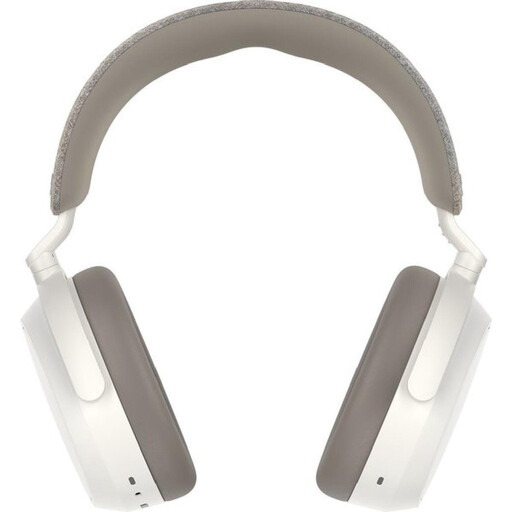 No image available
An option if you’re looking for over-ear headphones with noise cancellation; check whether their sound is suitable for checking your mix.
Wireless over-ear model with noise cancellation and a stated battery life of 60 hours.
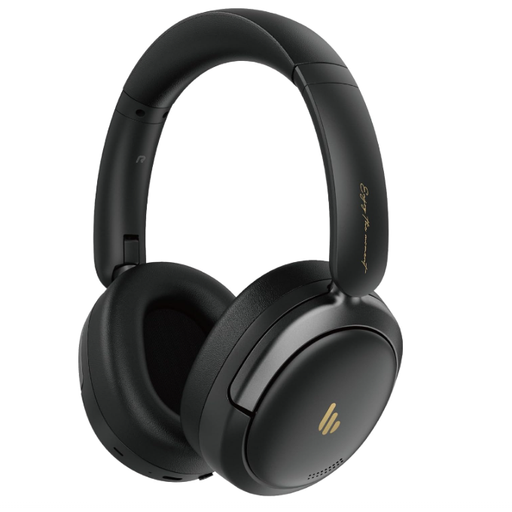 No image available
A contender if you’re looking for foldable over-ear headphones; check that the connection and sound work with your mixing workflow.
The product name lists Bluetooth 5.4 and a stated playback time of 45 hours.
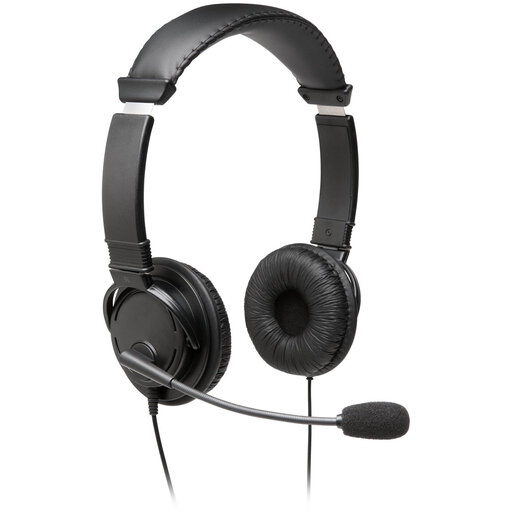 No image available
An option if you’re looking for USB headphones; check that USB is compatible with your equipment and mixing software.
The product name lists a USB connection and a microphone.
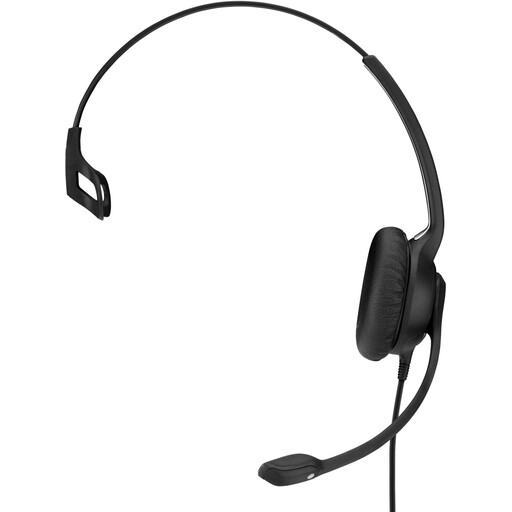 No image available
This headset may suit USB use, but it’s single-sided, which limits its usefulness for assessing stereo placement in a mix.
Wired USB headset.
Check your device’s output and the plug and adapter supplied with the exact model. beyerdynamic lists a 3.5mm plug with a 6.35mm adapter for the DT 900 PRO X; Bax Music lists both connection options for the Devine PRO 2000. Don’t rely on the impedance rating alone to work out whether your device can provide enough volume.
Keep the volume low and take regular breaks. The World Health Organization (WHO) recommends a maximum of 40 hours per week at an average sound level of 80 dB, and four hours per week at 90 dB. These are exposure guidelines, not a guaranteed safe volume setting for a particular pair of headphones.
No, extra cover isn’t a condition of your statutory guarantee. According to the Dutch Government, when you buy as a consumer, you’re entitled to a product that works properly, and you should contact the seller to resolve any issues. If you’re considering paid extra cover, check what additional rights it gives you.
According to the Dutch Government, online purchases from a business are often covered by a 14-day cooling-off period. This doesn’t necessarily apply to purchases from a private seller; before ordering, check the seller’s information about the product and the cooling-off period.