
Mixing in a quiet home studio
If you can work without interruptions and mainly want to assess balance and stereo positioning in film scores, open-back headphones are a sensible option to compare.


If you’re working in a quiet room and mainly want to assess balance and stereo positioning, start with a wired pair of open-back studio headphones. If there’s noise at home, other people in the room or you’re recording at the same time, a closed-back model is more likely to meet your need for isolation. Check the fit and connection, too, and test important mix decisions on other playback systems: stereo sounds different through headphones than it does through speakers.
If you can work without interruptions and mainly want to assess balance and stereo positioning in film scores, open-back headphones are a sensible option to compare.
If you want to reduce background noise, avoid disturbing others with sound leakage or monitor while recording, compare closed-back models and pay attention to the fit.
If you compose, edit and check your work for long stretches, consider fit, connectivity and replaceable parts. Check that your audio equipment’s output can deliver the listening volume you want.
A good fit if: your room is quiet and you mainly want to assess balance and stereo positioning.
Bear in mind: there’s little isolation and sound can leak out; check stereo width and reverb on other playback systems, too.
A good fit if: background noise, other people in the room or monitoring while recording make isolation important.
Bear in mind: a closed-back design doesn’t guarantee a more neutral sound for your ears; check the fit and compare your mix elsewhere.
A good fit if: a particular semi-open model works well in your space in terms of sound, fit and sound leakage.
Bear in mind: the design label alone doesn’t tell you how much isolation or mixing accuracy to expect.
| What to consider | What to look for | Who does this matter most to? |
|---|---|---|
| Balance and stereo positioning | Compare the fit and connection; check important decisions on speakers or other relevant playback systems, too. | If I mainly want to assess musical balance and stereo positioning, I’m looking for headphones that suit my workspace. Around 36% of consumers make balance and stereo positioning their top buying priority. |
| Isolation and sound leakage | Consider background noise, other people in the room and recording at the same time; check the seal and fit on your own head. | If background noise or other people in the room disrupt my mixing, isolation is my main consideration. Around 29% of consumers put isolation first. |
| Checking your mix beyond headphones | Listen to important sections on other systems, too; if you use correction software, check that it supports the exact model and find out which licence you need. | If I want to know how my film mix sounds beyond my headphones, I want my listening workflow to reflect that. Around 21% of consumers prioritise how their mix translates to other playback systems. |
| Comfort, connection and maintenance | Try on the headphones and check the cable, plug and adapter for your audio output; see which parts can be replaced. | For long sessions, I want headphones that are comfortable and work with my equipment. Around 14% of consumers name extended use and connectivity as their top priority. |
Open-back headphones may not be the best choice if background noise, housemates or simultaneous recording mean you need isolation.
First decide whether your workspace is quiet and whether sound leakage is an issue; only then compare models.
Isolation doesn’t remove the difference between how stereo and reverb sound through headphones and speakers.
Check important mix decisions on another relevant playback system, too.
A sales ranking isn’t an independent measure of mixing performance. Correction and simulation features may also require separate software licences.
Assess the exact model for your own needs and check model support and the licence terms for any software before buying.
The DT 900 PRO X is an open-back model for critical listening and mixing; beyerdynamic also positions the DT 700 PRO X, a closed-back model, for mixing.
Sennheiser positions the open-back HD 490 PRO for music production and mixing in a quiet environment. The closed-back HD 480 PRO is a separate model designed for monitoring and mixing, among other uses.
According to Audio-Technica, the ATH-M50x is a closed-back, wired monitoring headphone.
AKG positions the open-back K702 for mixing and mastering.
Sony Netherlands describes the closed-back MDR-7506 as a compact monitoring headphone for studio environments. The open-back MDR-MV1 is a different model, which Sony positions for stereo and spatial audio work.
The product picks below are over-ear headphones. For mixing, check that the connection, wired functionality if applicable, and controls suit your audio output and way of working.
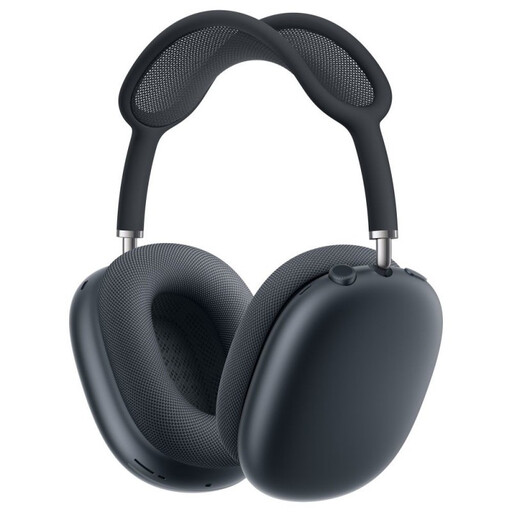 No image available
The product description mentions active noise cancellation and spatial audio with head tracking; check that the connection and controls suit your mixing workflow.
 No image available
The listed 3.5mm audio cable and passive operation without a battery may be useful if you want to listen wired; check that the cable is compatible with your output.
The product description also mentions adaptive noise cancellation.
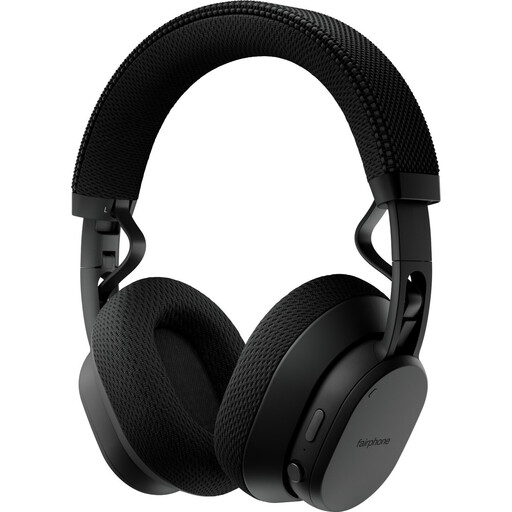 No image available
The product description mentions a closed-back over-ear design and hybrid noise cancellation for reducing background noise.
According to the description, nine parts are replaceable, including the battery and ear pads. Check that the connection and functionality meet the needs of your mixing setup.
 No image available
The product information lists a closed-back design and active noise cancellation, plus an audio cable for use without a battery. Check that the wired connection is compatible with your audio equipment.
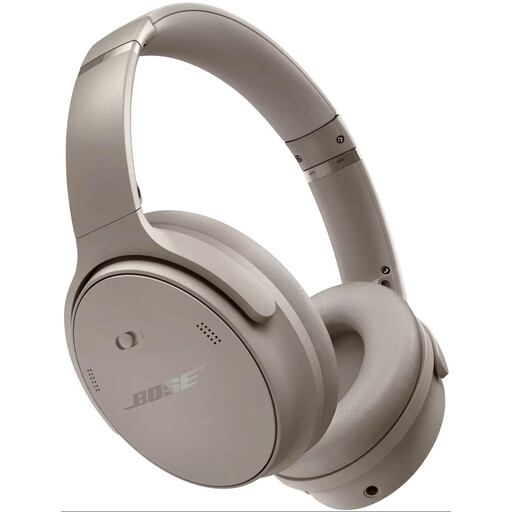 No image available
The product description mentions active noise cancellation and a transparency mode for changing levels of background noise.
The description also mentions a lightweight design and comfort for extended wear. Try the headphones on and check that the connection options suit your mixing workflow.
Use headphones for mixing, but check important decisions about stereo width, the mid-range, reverb and balance on other relevant playback systems, too. Sonarworks explains that stereo is perceived differently through headphones than through speakers.
No, not necessarily. Check that the connection is compatible and that your audio interface or other output can deliver the listening volume you want with the exact model. Sonarworks only recommends an audio interface or headphone amplifier when the headphones and workflow require one; the impedance rating alone doesn’t determine this.
Adjust the ear pads and headband and check the cable routing before settling in for a long session. Keep the volume down and take listening breaks: the World Health Organization links safe listening to both sound level and duration of exposure. This advice doesn’t set a safe volume level for every audio output.
Check whether the cable and ear pads for the exact model can be replaced, and look up the current costs before buying. For SoundID Virtual Monitoring, Sonarworks states that you need an additional licence and an active licence for the base software.
For eligible consumer purchases made at a distance, you generally have a statutory cooling-off period of up to 14 days after delivery. ACM ConsuWijzer outlines exceptions, including certain unsealed hygiene products. You’re also entitled, under normal use, to a product that meets what you could reasonably expect; in the Netherlands, the statutory guarantee doesn’t simply have a fixed two-year duration for every product. Before ordering, check who the seller is, which terms apply and whether an exception is relevant.