
Mixing late with housemates nearby
You want to listen to small mix changes without waking anyone nearby. Audio-Technica and Sennheiser describe sound leakage and isolation as important considerations in shared spaces.


Choose closed-back, wired studio headphones if someone is sleeping nearby or there’s background noise; Audio-Technica and Sennheiser describe isolation as useful in shared spaces. In a quiet, private room where sound leakage won’t bother anyone, open-back headphones may be better for assessing panning and spatial effects; beyerdynamic says open-back models are often used for this. Also check the fit and connection, and listen at a comfortable, low volume. Neither design guarantees that your mix decisions will translate in the same way on other playback systems.
You want to listen to small mix changes without waking anyone nearby. Audio-Technica and Sennheiser describe sound leakage and isolation as important considerations in shared spaces.
You want to compare changes to panning and reverb before bed, and sound leakage isn’t a concern. Sennheiser and beyerdynamic describe open-back models as an option for assessing spatial mixes.
You want to listen repeatedly with a suitable connection and comfortable fit, while keeping an eye on volume and listening time. The World Health Organization emphasises that both sound level and duration of exposure matter.
| What to consider | What should you check? | Who should pay particular attention? |
|---|---|---|
| Low sound leakage | Check the fit and whether someone at the usual distance can hear what’s playing; Audio-Technica and Sennheiser describe isolation as useful in shared spaces. | If someone is sleeping nearby, I want to listen to mix changes without disturbing them. Around 31% of consumers prioritise low sound leakage. |
| Assessing spatial mixes | Compare familiar tracks in a quiet room; beyerdynamic says open-back models are often used to assess spatial mixes. | When I’m checking panning and reverb, I want to compare changes to the stereo image. Around 25% of consumers prioritise assessing spatial mixes. |
| Comfortable listening | Assess the pressure from the headband and ear pads; the World Health Organization emphasises that volume and duration of exposure both count. | For quick or repeated evening checks, I want to listen comfortably and keep the volume deliberately low. This is the top priority for around 25% of consumers. |
| Connection and cable | Check the plug, any adapter and the cable length of the exact version against your audio output and listening position. | I want to connect my headphones directly to my existing listening setup. Around 19% of consumers prioritise a suitable connection and cable. |
A spacious listening perspective is no help if sound leakage makes the headphones unsuitable for your situation. Open-back models block out less background noise and let more sound through than closed-back models, as Audio-Technica and Sennheiser explain.
First, decide whether your listening space is private and quiet enough. If not, compare a well-fitting closed-back model.
Manufacturers’ product descriptions aren’t independent, side-by-side listening comparisons. So a description alone can’t tell you how your mix decisions will translate to other playback systems.
Compare the same familiar mix passages at a comfortable, similar volume, then check important decisions on a second playback source later.
The plug, adapter and cable length all affect how easily you can connect the headphones to your existing listening setup.
Before buying, check the full model version and make sure its connection is suitable for your device.
The closed-back DT 770 PRO 80 Ohm and open-back DT 900 PRO X offer different approaches to a late-night mix check. beyerdynamic says open-back models are often used to assess spatial mixes.
The open-back HD 490 PRO is designed for mixing in a quiet room; Sennheiser describes the closed-back HD 480 PRO as an option for shared or less quiet spaces.
The closed-back ATH-M50x is a wired option to compare if isolation and a practical choice of cable are important to you.
The closed-back, foldable K371 is an over-ear model to compare if you listen in the evening and want a compact design.
Sony describes the MDR-7506 as a wired studio and recording headphone to consider as a reference option.
This Joybuy selection includes headphones for late-night listening checks. For each version, check that the connection, fit and sound character suit your space and mixing goals.
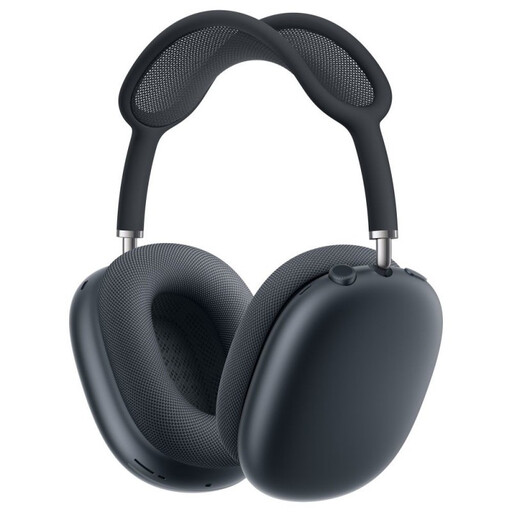 No image available
For anyone who wants to take background noise into account during a listening check; make sure the features and connection on this wireless version suit your mix checks.
 No image available
For a wired listening check: check that the cable and connection on the exact version suit your audio source and listening position.
 No image available
This selection is linked to a closed-back, wired listening setup; check that the connection on the version available suits your audio output.
 No image available
Could be worth considering for a wired listening check; check which connection on the exact version works with your playback device.
 No image available
If you’re considering a wired listening check, make sure the connection on this version is compatible with your audio source and that the fit feels comfortable.
Only if the sound leakage is at an acceptable level for that person. Closed-back headphones are a more sensible first option to compare if you want to disturb others as little as possible. Test them at your usual listening volume and from the usual distance.
Compare the output on your playback device with the plug, any adapter and the cable length of the exact version. Some models have replaceable ear pads; check the details for the specific model and follow the manufacturer’s care instructions.
No, listening at a higher volume isn’t necessary to check mix changes. The World Health Organization points out that sound level, listening time and frequency of exposure all matter. Keep the volume deliberately low and take breaks.
For online consumer purchases in the Netherlands, you generally have a statutory cooling-off period of up to 14 days after delivery, with some exceptions. The seller must also put right, free of charge, any product that doesn’t meet the standards you could reasonably expect under normal use; ACM ConsuWijzer explains these consumer rights.