For instrumental loops in a quiet studio, open-back wired studio headphones are an option if sound leakage isn’t an issue and you mainly want to listen back critically. If you also record with a microphone or want more isolation, compare closed-back models. With either type, check the fit, cable and connection to your computer or audio interface.
Who is this choice relevant to?
Loop editor working in a quiet room
You listen back to instrumental passages repeatedly. Open-back headphones may suit you if sound leakage isn’t an issue. Sennheiser and AKG, for example, position the HD 490 PRO and K702 for critical listening or mixing. Those descriptions don’t determine which sound you’ll prefer.
Editor who also records
You sometimes use a microphone at the same desk and want to consider whether headphone audio could leak into your recording. Focusrite describes closed-back models as useful for reducing microphone bleed; fit also plays a part.
Editor with long sessions
You wear your headphones for long periods and want to consider the fit, ear pads and replaceable parts. Manufacturers of models from beyerdynamic, Sennheiser and AKG, among others, specify differences in ear pads and components. Specifications can’t predict how a model will fit your head.
What should you consider when choosing?
First, decide whether you’ll only be listening back to existing loops or recording with a microphone too. Treat semi-open models as a separate comparison option: the term doesn’t guarantee a middle ground between open- and closed-back designs.
| What to consider |
What should you look for? |
Who is this important for? |
| Assessing loop details |
Compare open-back models with your own loops and decide whether sound leakage is acceptable in your workspace. |
If I mainly want to assess differences between repeated passages, I compare them using the same source and familiar material. Around 40% of consumers prioritise critical listening. |
| Isolation when recording |
Decide whether you’ll record with a microphone while wearing the headphones, and check how the earcups fit against your head. |
If you sometimes record with the microphone on, you’ll want to consider whether sound could leak into the recording. Around 30% of consumers prioritise isolation or recording. |
| Fit during long sessions |
If possible, try the headphones during a typical listening session and check which ear pads can be replaced. |
If I edit for long stretches, I want to know how the headband and ear pads feel. Around 20% of consumers prioritise comfort. |
| Connection and maintenance |
Check the plug and any adapter, and compare the impedance with your device’s headphone output. Also check whether the cable is fixed or detachable. |
If you want to make sure the headphones will work with your computer or interface, and that cable maintenance suits your preferences, check the exact version. Around 10% of consumers start with connection and maintenance. |
Common pitfalls
-
Choosing an open-back model when you also record
A quiet room doesn’t stop a microphone from picking up sound from your headphones. Focusrite says closed-back models can help reduce bleed in microphone recordings.
Before choosing, decide whether you’ll wear the headphones only while editing or also while recording.
-
Treating different impedance versions as the same model
The beyerdynamic DT 770 PRO is available in 32, 80 and 250 ohm versions. Whether a particular combination gets loud enough depends partly on the source and the headphones’ sensitivity.
Check the full model specification and compare it with the headphone output on your laptop or audio interface.
-
Mistaking a manufacturer’s term for an independent listening test
Terms such as ‘reference’ or ‘flat response’ aren’t, by themselves, a comparison based on your instrumental loops.
Compare familiar passages using the same source, and assess the fit and sound leakage too.
-
Overlooking the cable and ear pads when choosing
According to their manufacturers, the Audio-Technica ATH-M40x and AKG K702 have detachable cables. The beyerdynamic DT 770 PRO has a fixed cable and replaceable ear pads.
Check which parts can be replaced on the exact model and which version you’re buying.
Brands to consider
beyerdynamic
The open-back DT 900 PRO X and closed-back DT 700 PRO X offer different design options. The closed-back DT 770 PRO is available in separate impedance versions.
- beyerdynamic specifies replaceable ear pads for the DT 770 PRO.
- The DT 770 PRO has a fixed cable. Descriptions of isolation or stereo imaging are manufacturer claims, not independent comparisons.
Sennheiser
Sennheiser positions the open-back HD 490 PRO for production and mixing; the manufacturer describes the HD 560S as analytical hi-fi headphones.
- Sennheiser specifies two sets of ear pads and a detachable cable for the HD 490 PRO.
- Open-back headphones offer less isolation. Manufacturer claims about accuracy or comfort won’t automatically predict your experience.
Audio-Technica
The wired, closed-back ATH-M40x is a model to compare if you listen back to recordings and sometimes record too.
- Audio-Technica specifies an impedance of 35 ohms, two detachable cables included and over-ear earcups.
- ‘Flat response’ is the manufacturer’s description, not an independent guarantee of more accurate loop editing.
AKG
The open-back K702 is an option to compare for critical listening when isolation isn’t essential.
- AKG specifies a replaceable mini-XLR cable, replaceable ear pads and a nominal impedance of 62 ohms.
- Assess the fit for yourself and decide whether sound leakage is acceptable in your workspace; claims about spaciousness come from AKG.
Sony
Sony positions the wired MDR-7506 for recording and studio use, making it a model to compare with other closed-back headphones.
- Sony specifies a 3 m cable and a design weight of 230 g for the MDR-7506.
- ‘Reference headphones’ is Sony’s description and doesn’t prove a neutral sound compared with other models. Check that the cable length suits your workspace.
Headphones and headsets at Joybuy
The Joybuy selection below includes headphones and headsets for different uses. Check that the connection and features suit the way you work; the listed product details alone don’t tell you how suitable a model is for assessing a mix.
 Image unavailable
Sennheiser MOMENTUM 4 Wireless, 60 hours, black
May suit you if you want to listen wirelessly as well as use a wired connection without battery power; the product information lists an included 3.5 mm audio cable for this purpose.
The product name lists active noise cancellation, 60 hours of battery life, fast charging and four microphones. Compare the wired connection and wireless features with the way you work.
View at Joybuy
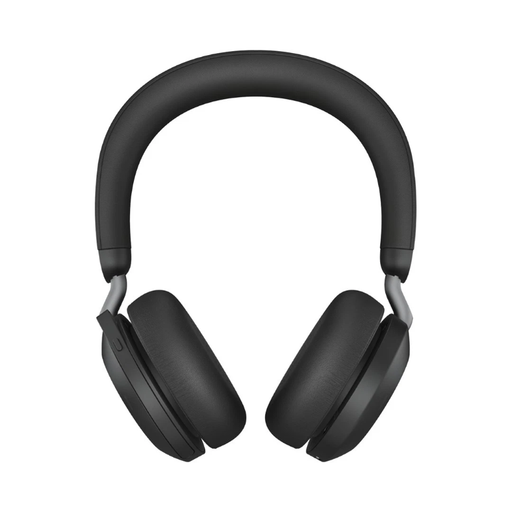 Image unavailable
Jabra Evolve2 75 headset
A headset to consider if you’re also looking for one for communication alongside loop editing.
Check that the connections and features of the exact version suit your computer and intended use.
View at Joybuy
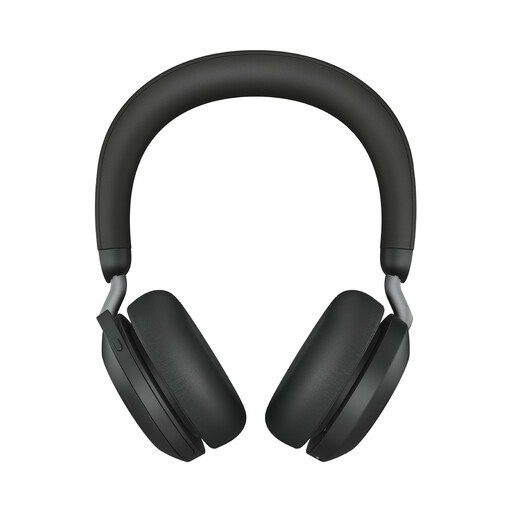 Image unavailable
Jabra Evolve2 75, USB-A, MS Teams, black
This version may be worth considering if you’re looking for a headset for communication as well as editing.
The product name lists USB-A and MS Teams. Before buying, check that this version is compatible with your computer and software.
View at Joybuy
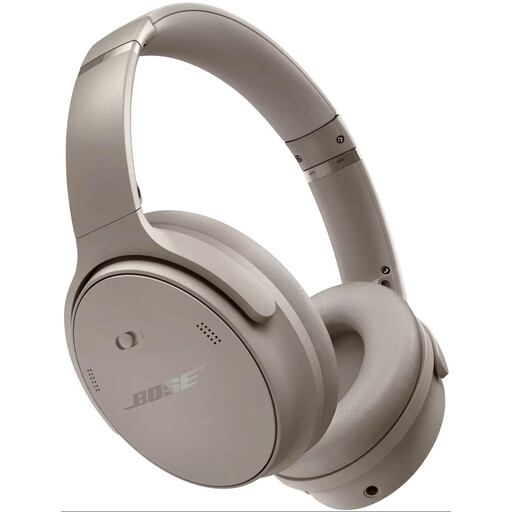 Image unavailable
Bose QuietComfort Headphones, Sandstone
An option if you also want to consider active noise cancellation when choosing headphones.
The product information lists Bluetooth and active noise cancellation. Assess separately whether the model and connection suit the way you work.
View at Joybuy
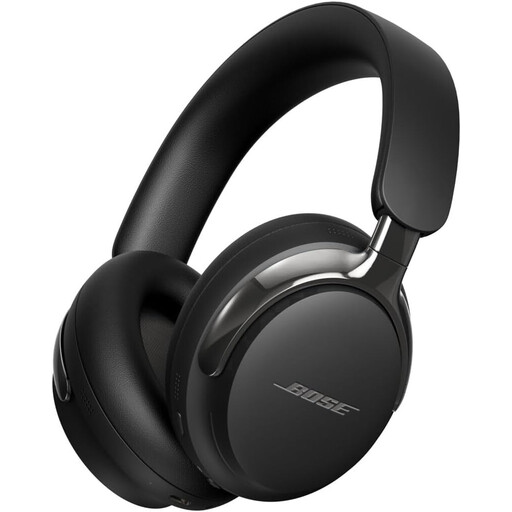 Image unavailable
Bose QuietComfort Ultra Headphones (2nd Gen), black
May suit you if you want to compare wired use as well as listening wirelessly.
The product information lists Bluetooth 5.4, active noise cancellation and a detachable cable. Check that the connections are compatible with your equipment.
View at Joybuy
Frequently asked questions
Do I need closed-back headphones in a quiet studio?
Not necessarily, if you’re only listening back to existing loops and sound leakage isn’t an issue. If you also record with a microphone, a well-fitting closed-back model is more relevant for reducing bleed.
Can I plug 250-ohm headphones straight into my laptop or audio interface?
You can’t tell from the impedance alone. Check your device’s headphone output and take the sensitivity and your preferred listening volume into account. Focusrite makes recommendations for its own generations of interfaces, not a universal guideline for laptops.
What should I check about the connection and maintenance?
Check that the plug fits your output and whether you need an adapter. Also check whether the cable and ear pads can be replaced on the exact version: for example, the manufacturers specify a detachable cable for the Audio-Technica ATH-M40x and AKG K702, and a fixed cable for the beyerdynamic DT 770 PRO.
What are my rights when buying online or if a product is faulty in the Netherlands?
Many online purchases from a business come with a 14-day cooling-off period, subject to legal exceptions. Separately, a product must be of satisfactory quality. The Dutch government states that the Netherlands has no fixed statutory guarantee period; if there’s a fault, contact the seller.
Does a CE mark alone prove that headphones have been officially approved?
No. According to the European Union, CE is a declaration by the manufacturer, and the mark is only required for products covered by specific harmonised EU rules. It isn’t general product approval by a central EU body; the rules that apply depend on the specific product version.


