
Streamer with an active microphone
You want to hear the audio while speaking without sound from your headphones easily reaching your microphone. beyerdynamic describes closed-back models as better suited to use with a microphone.


For live monitoring while your microphone is on, wired closed-back headphones are usually the most practical choice: beyerdynamic recommends closed-back models to reduce sound leaking into the microphone. RØDE warns that Bluetooth can introduce noticeable delay when monitoring your voice, while wired listening won’t automatically eliminate latency elsewhere in the audio or software chain. Open-back models are better suited to critical listening without using a microphone at the same time; fit and connection still depend on your setup.
You want to hear the audio while speaking without sound from your headphones easily reaching your microphone. beyerdynamic describes closed-back models as better suited to use with a microphone.
You wear your headphones for long periods, so you’ll want to consider the fit, ear pads and a manageable listening volume. The World Health Organization notes that sound level, listening duration and frequency of exposure all contribute to the risk to your hearing.
You’ll want to check in advance that the plug, any adapter and the monitoring route work with your existing equipment. OBS explains how to set up a monitoring output; also check the full signal path you use.
First decide whether you’ll monitor your audio while speaking or mainly listen back afterwards. Then check the fit and make sure the connection is compatible with your computer or audio interface.
| What to consider | What should you check? | Who is this important for? |
|---|---|---|
| Microphone bleed | Compare a closed-back and an open-back design, and check how the ear pads fit. A closed-back design reduces sound leakage, but it can’t guarantee that your microphone won’t pick up sound from your headphones. | If I want to monitor my voice and programme audio while speaking, I want to avoid headphone sound feeding back into the microphone. Around 36% of consumers rank reducing microphone bleed as their top priority. |
| Comfort and volume | Assess the fit and check whether suitable replacement pads are available. Keep the listening volume manageable; the product specifications don’t tell you how much sound actually reaches your ears. | For long streams, I want a fit I find comfortable and a volume I can control. Around 29% of consumers rank long-wearing comfort as their top priority. |
| Connection and latency | Check the plug, any adapter and the monitoring settings on your device. Wired headphones won’t automatically fix latency caused by audio processing or routing. | If I want to hear my voice back immediately, the headphones need to connect to the monitor output I actually use. Around 21% of consumers put connection or latency first. |
| Critical listening | Decide whether you’ll mainly monitor while speaking or edit recordings afterwards. An open-back model isn’t the same choice as a closed-back model for using a microphone at the same time. | When I’m mainly listening back to recordings without using a microphone at the same time, I can weigh up an open sound against isolation differently. Around 14% of consumers rank critical listening as their top priority. |
beyerdynamic recommends closed-back headphones for use with a microphone, as they provide isolation and reduce sound leakage. An open-back studio headphone may therefore be less suitable for speaking live.
First decide whether you’ll monitor while speaking or mainly listen back afterwards. Then check which design suits your microphone setup.
RØDE describes latency caused by audio processing in a specific mixer setup. Using a cable doesn’t rule out delays caused by software, settings or the rest of the signal path.
Check where you plug in your headphones, then test voice monitoring with your own equipment and software.
RØDE describes the NTH-100M as a headset with a detachable microphone; the NTH-100 is the headphone model without that integrated headset microphone. Choose the version that suits your existing microphone setup.
Compare the full model name and check which components are included with that version before ordering.
The DT 770 PRO 80 Ohm is a closed-back monitoring model; the DT 990 PRO is a separate open-back version.
The NTH-100 is a wired headphone for content creation; the NTH-100M adds a detachable headset microphone.
The ATH-M50x is a closed-back, wired studio headphone with a detachable cable.
The MDR-7506 is a wired professional headphone model, with product information published by Sony Netherlands.
The HD 280 PRO is a closed-back monitoring model.
The products below are headsets and headphones suited to listening and speaking while streaming. Check that the connection and monitoring route for each model work with your equipment.
 No image available
A good fit if you want to listen and speak on a computer using a wired headset; check that the connection matches your monitor output.
 No image available
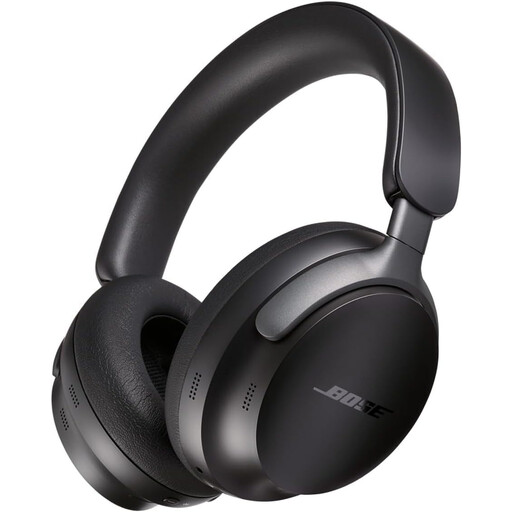
Could suit you if you want to listen via a wired connection; check the listening mode you choose and test voice monitoring, as Bluetooth can introduce latency.
 No image available
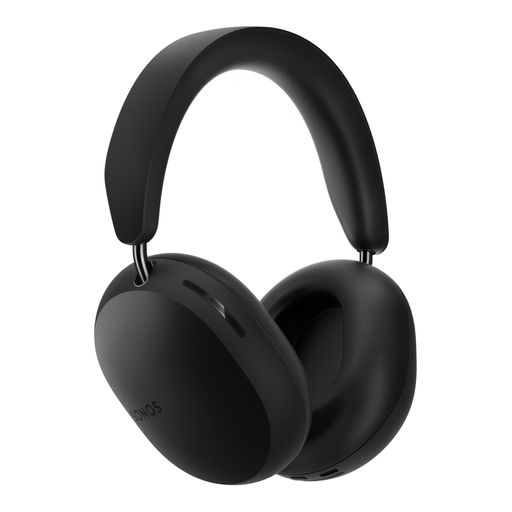
Could suit you if you’re considering headphones for listening and speaking; check which wired connection works with your monitor output and test for latency in your setup.
 No image available
A good fit if you’re looking for a wired computer headset for listening and speaking; check in advance that the connection works with your equipment.
 No image available
A good fit if you want to listen and speak using a wired headset; check that your monitor output works with the connection you choose.
If you want to hear your own voice back straight away, RØDE recommends wired headphones for its RØDECaster setup, as Bluetooth can introduce noticeable latency. Test your entire monitoring route too: audio processing can also cause delays.
In OBS, choose which device to use as the monitoring output, and check that the same audio source isn’t coming through a second route. OBS warns that adding the same source both globally and to a scene can create an echo.
Look for replacement parts that are suitable for the exact version of your headphones. Sennheiser says the HD 280 PRO Pad Set is suitable for HD 280 PRO versions from 2016 onwards; worn seals can affect comfort and isolation.
Keep the volume low and reduce your listening time as the sound level rises. The World Health Organization gives an average of 80 dB for up to 40 hours per week as an example of safe listening; this doesn’t guarantee that a particular volume setting is safe. Without measuring it, you won’t know what level is reaching your ears.