A well-fitting pair of closed-back headphones is a sensible first choice in a quiet library. Open-back designs are more likely to let sound escape, while fit and listening volume also affect how much other people can hear. Compare models using the same familiar jazz passage, and check sound leakage, connectivity and comfort with your playback device.
Who is this choice relevant to?
Listener in a shared library
Wants to replay a jazz recording without people at nearby tables hearing it. Fit, sound leakage and a practical listening volume are therefore important considerations. LEWITT and RTINGS explain why closed-back designs can be a good choice, while VeiligheidNL highlights the importance of a good fit.
Student picking apart jazz phrases
Wants to compare the bass line, interplay and phrasing in a familiar recording. Do this with the same passage each time, rather than relying solely on a description such as ‘detailed’. Consumentenbond identifies sound quality as an important part of its testing.
Listener during long study sessions
Is looking for a comfortable fit, even when wearing glasses, and a cable that suits their study space. Audio-Technica Europe and Sennheiser’s product information highlights cable and ear pad features on specific models, but fit is a personal matter.
What should you look for?
Closed-back wired model
A good fit if: you sit near other people in the library and want to study a jazz recording. Check the fit, sound leakage and connectivity.
Bear in mind: a long or coiled cable can get in the way at a study table.
Open-back studio headphones
A good fit if: you listen somewhere that sound escaping won’t disturb others, and isolation is less important.
Bear in mind: an open-back design lets more sound escape, so it may not be the best choice for a quiet, shared library.
Closed-back model with active noise cancellation
A good fit if: background noise distracts you, even after you’ve checked that the fit is right.
Bear in mind: noise cancellation alone tells you nothing about sound leakage or how well you can follow an improvisation. Also check the model’s operating modes.
| What to consider |
What should you check? |
Who is this important for? |
| Sound leakage and isolation |
Compare a closed-back model at your usual listening volume. Check the fit and ask someone nearby whether they can hear the recording. |
If I’m listening near other people, I want to be able to replay my recording without disturbing them. For around 36% of consumers, limiting sound leakage is the top priority. |
| Following the jazz parts |
Use the same familiar passage with every model and listen for the instruments you want to distinguish. |
If you want to analyse the bass line, interplay and phrasing, you’ll benefit most from a fair comparison using the same recording. Around 29% of consumers put this listening goal first. |
| Comfort during long sessions |
Check the pressure and fit during a representative listening session, including while wearing your glasses. If you’ll be using them for a long time, see whether the ear pads are replaceable. |
During longer study sessions, I want a fit that stays comfortable, perhaps while wearing my glasses. This is the most important buying priority for around 21% of consumers. |
| Cable and connectivity |
Check your device’s output, the plug or adapter you may need, and the cable length of the exact model. |
When I’m listening at a study space, I want to connect my headphones to my device without the cable getting in the way. Around 14% of consumers prioritise this practical connection. |
Common buying mistakes
-
Choosing an open-back model because the library is quiet
A quiet room doesn’t stop other people from hearing sound from open-back headphones.
Factor sound leakage into your comparison and assess a closed-back model at your usual listening volume and with your usual fit.
-
Treating a ‘studio sound’ claim as proof that it’s good for jazz analysis
A product description is no substitute for comparing the recording, fit and listening volume you’ll actually use.
Play the same familiar passage on the models you’re considering and focus on the instruments you want to follow.
-
Assuming all DT 770 PRO versions are the same model
The European product information discussed here relates specifically to the beyerdynamic DT 770 PRO 80 Ohms.
Before buying, check the full model name, impedance, plug and compatibility with your playback device.
-
Assuming you automatically need an additional warranty product
An additional cover package is separate from your statutory rights when buying as a consumer.
Compare the extra terms with your existing statutory rights. The Dutch Government identifies the retailer as your point of contact if a product is faulty.
Brands to compare
Sennheiser
The closed-back HD 480 PRO and HD 280 PRO are different wired studio models. RTINGS includes the HD 480 PRO in a category recommendation, but that assessment doesn’t automatically apply to the entire brand.
- Sennheiser lists replaceable ear pads, a 3.5mm plug with adapter and a coiled cable for the HD 280 PRO. For the HD 480 PRO, the manufacturer notes a detachable cable and ear pads shaped to accommodate glasses.
- Fit and sound leakage vary from person to person. Check them with your own glasses and at your usual listening volume.
Audio-Technica
The closed-back ATH-M50x is a foldable wired studio model for anyone looking to compare the cables supplied.
- Audio-Technica Europe lists three detachable cables, including a 1.2 m straight cable.
- The positive description of sound isolation and sound quality comes from the manufacturer. It doesn’t prove how the headphones will perform with your jazz recording or fit.
beyerdynamic
The closed-back DT 770 PRO is available in several versions; the product information discussed here relates to the 80 Ohms version.
- The European product page lists replaceable ear pads and a 3.5mm plug with a 6.35mm adapter for the DT 770 PRO 80 Ohms.
- Check the impedance version and whether your playback device can provide a suitable listening volume. The manufacturer’s description of the sound isn’t a listening test for your own use.
AKG
The closed-back K371 is a foldable studio model with a detachable cable.
- AKG lists a nominal impedance of 32 ohms, a weight of 255 g and several cables for the K371.
- These specifications appear on a US product page. Check what’s included with the version on offer, and don’t use this information to infer Dutch pricing, stock or delivery details.
Joybuy products
This Joybuy selection includes various over-ear headphones and a gaming headset. Compare each model’s fit, connectivity and suitability for your library use. The product names alone won’t tell you how well you’ll be able to follow a jazz improvisation.
 No image available
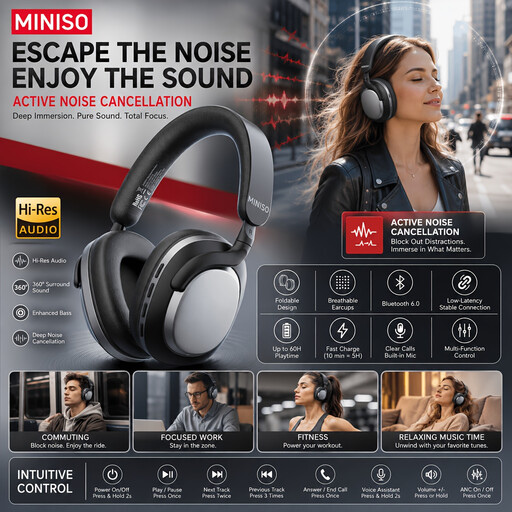
MINISO MG210 wireless noise-cancelling over-ear headphones (black)
A wireless over-ear option to compare if you don’t want to be tethered to a cable while studying.
The product name mentions noise cancellation and a wireless design. Check the fit and sound leakage at your usual listening volume.
View at Joybuy
 No image available
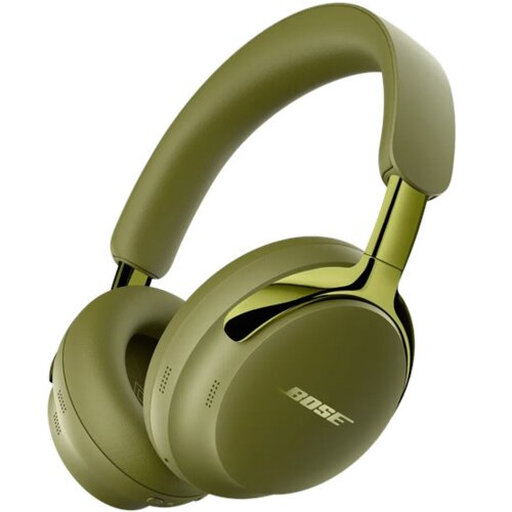
Bose QuietComfort Ultra Headphones (2nd Gen), olive green
Compare this model using your regular jazz passage and decide for yourself whether the fit and sound suit your study session.
Before buying, check the connectivity and operating mode you’ll need with your playback device.
View at Joybuy
 No image available
Bose QuietComfort Ultra Bluetooth Headphones, black
A Bluetooth model to assess alongside your other options if wireless listening suits your study space.
Compare it using the same recording, and check the fit, connectivity and whether you’ll need a cable for your use.
View at Joybuy
 No image available
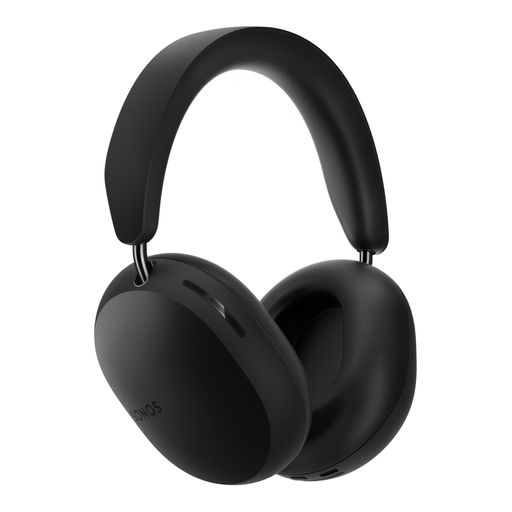
Sonos ACE over-ear Bluetooth headset, black
This over-ear Bluetooth model is worth comparing if you’re considering a wireless listening setup.
Assess the fit and sound leakage for yourself, and check which connection you need for your playback device.
View at Joybuy
 No image available
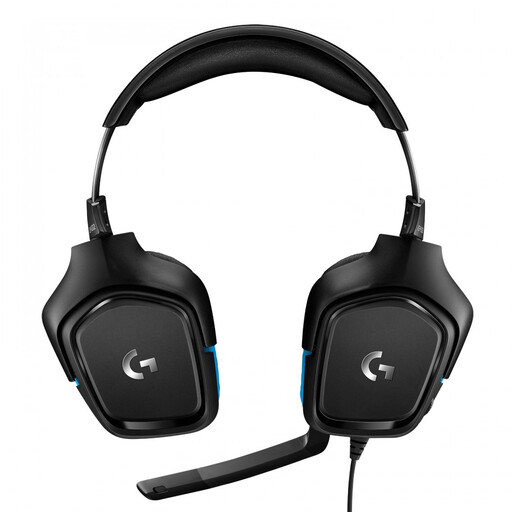
Logitech G G432 wired 7.1 gaming headset
This wired gaming headset is a different category from studio headphones. Compare it only if the model suits your listening needs.
The product name mentions 7.1 audio and a wired headset. Check the connection and compare the same jazz passage before making your choice.
View at Joybuy
Frequently asked questions
Are open-back studio headphones suitable for listening in the library near other people?
A well-fitting closed-back model is usually the more sensible first option to compare, as open-back designs let more sound escape. Even with a closed-back model, check for sound leakage at your usual listening volume.
How can I listen responsibly when replaying passages?
Keep the volume as low as is practical for you and take breaks. The World Health Organization links listening risks to both sound level and listening time. A volume setting or model specification alone doesn’t tell you the sound level reaching your ears.
What should I check before using wired studio headphones?
Compare the output on your playback device with the plug and any adapter supplied with the exact model. Also check that the cable is long enough for your study space without getting in the way.
What are my rights when buying headphones online in the Netherlands?
For eligible online consumer purchases, you generally have a 14-day cooling-off period. The Dutch Government lists exceptions and distinguishes these purchases from those made from private individuals. Consumers also have statutory rights if a product is faulty. The Netherlands has no fixed statutory warranty period, and the retailer is your point of contact if a product is faulty.


