
Chord enthusiast
You listen to excerpts repeatedly to pick out notes and parts. Audacity’s Plot Spectrum displays the frequencies in a selected excerpt; you need to assess what that information means in the musical context.


For listening in a quiet library, start with a well-fitting pair of closed-back headphones and check whether anyone else can hear your music at your usual volume. Then consider the sound you want to focus on, how the headphones connect to your device and how comfortable they are to wear. Headphones cannot identify chords by themselves, and manufacturers’ descriptions of sound and isolation are not a like-for-like listening test.
You listen to excerpts repeatedly to pick out notes and parts. Audacity’s Plot Spectrum displays the frequencies in a selected excerpt; you need to assess what that information means in the musical context.
You want to listen to music without disturbing the peace for other library visitors. The seal, fit and keeping the volume modest all matter.
You use a laptop or another portable device and often take your headphones with you. The connection, cable and whether they fold up may influence your choice.
Closed-back, wired studio headphones are a practical starting point for a quiet library, although the seal also depends on the fit. Open-back and closed-back designs, as well as models with active noise cancellation, suit different listening conditions.
Choose these when: you want to listen to parts repeatedly in a quiet study space.
Consider: the seal varies depending on the fit, and you’ll need to make sure the cable works with your device and study space.
Choose these when: you’re outside a quiet, shared space and mainly want a spacious listening experience.
Consider: open ear cups let sound through, so they’re less suitable if you don’t want to disturb others in a quiet space.
Choose these when: background noise is your main listening problem.
Consider: noise cancellation doesn’t prove that others can’t hear your music or that chords will be easier to identify.
| Concern | What to look for when buying | Who is this important to? |
|---|---|---|
| Assessing notes and parts | Where possible, compare the same familiar excerpt on your own device. Audacity’s Plot Spectrum shows the frequencies in a selected excerpt; you’ll need to decide for yourself what they mean for the music. | When I’m trying to work out chords from a recording, I want to be able to follow the bass line and other parts clearly. Around 34% of consumers say distinguishing notes and parts is their main buying priority. |
| Avoiding disturbing others | Check the fit and ask someone sitting next to you whether they can hear your music at your usual volume. Also follow the rules of the library you’re in. | I want to listen in a quiet study area without distracting others, so I look at both the seal and the volume. Around 33% of consumers prioritise preventing people nearby from hearing their music. |
| Connection and cable | Compare your device’s audio output with the plug, cable and any adapter supplied with the exact version. beyerdynamic lists a 3.5mm plug and a 6.35mm adapter for the DT 770 PRO, 32 Ohm. | For my laptop or other player, I want to know in advance whether the headphones will connect and be practical to use at my study desk. Around 20% of consumers say compatibility with their own device is their main priority. |
| Comfort during repeated listening | If possible, try the model on and, after a while, assess the pressure around your ears and head, including when wearing your usual accessories. | If I’m listening for a long time or repeatedly, I want a fit that stays comfortable. Around 13% of consumers name long-term wearing comfort as their main buying priority. |
Open ear cups let sound through and may disturb other people in a quiet space.
Consider how audible your music will be where you plan to listen; don’t choose based only on a description of spacious sound.
The actual seal depends partly on the fit and listening volume; a closed-back design doesn’t guarantee silence for people nearby.
Check the fit and ask someone sitting next to you whether they can hear your music at your usual volume.
The wired models reviewed may differ in their plug, cable and supplied adapter. If the connection doesn’t fit, using the headphones with your device will be more difficult.
Before choosing, compare your device’s audio output with the accessories supplied with the exact model version.
If the plug doesn’t fit, you may need a suitable connection solution; check this in advance.
The closed-back ATH-M40x is a wired option to consider if you’re looking for detachable cables and a tuning that Audio-Technica describes as flat.
The closed-back DT 770 PRO, 32 Ohm, is the specific wired version to consider if you’re looking for a model to use with portable devices.
The closed-back SRH440A is a wired studio option with a detachable straight cable; Shure describes its sound as natural.
The closed-back, foldable K371 is worth considering if an over-ear design and portability are important to you.
The closed-back HD 280 PRO is worth considering if isolation and replaceable ear pads are important to you.
This Joybuy selection includes headphones for listening to music. Check that each model’s connection and fit suit your device and quiet study space.
 Image unavailable
Check that the connection and fit suit your device and listening space, and whether anyone else can hear your music at your usual volume.
The product name describes a wireless over-ear model with noise cancellation and a battery life of 60u.
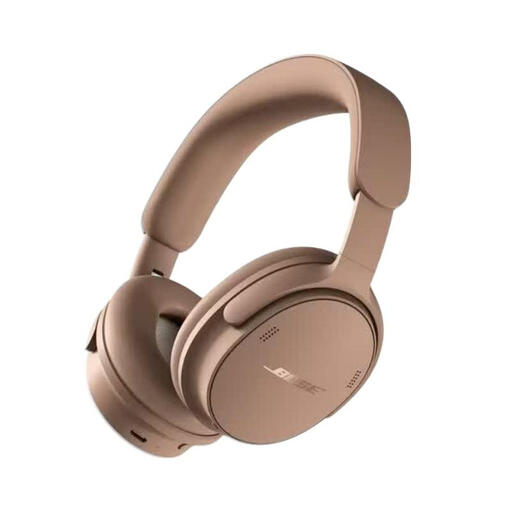 Image unavailable
Check that the connection and fit of this version suit your listening device and quiet study space.
The product name identifies the QuietComfort Headphones as the 2nd Gen version in Hazelnut Taupe.
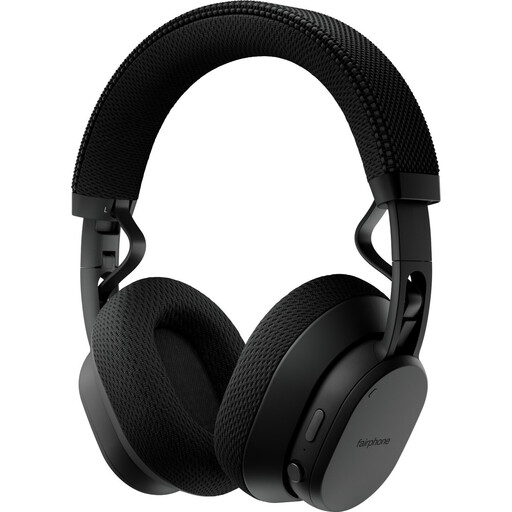 Image unavailable
Assess the fit and check whether people nearby can hear your music at the volume you plan to use in the library.
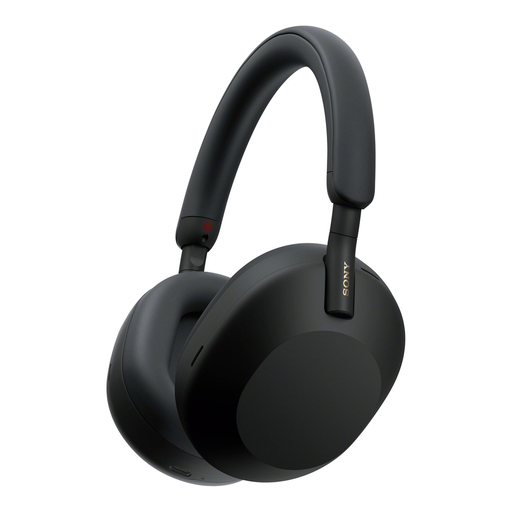 Image unavailable
Check that the connection suits your device, and assess the fit and how audible your music is to people nearby at your listening volume.
The product name describes a wireless WH-1000XM5 with noise cancellation.
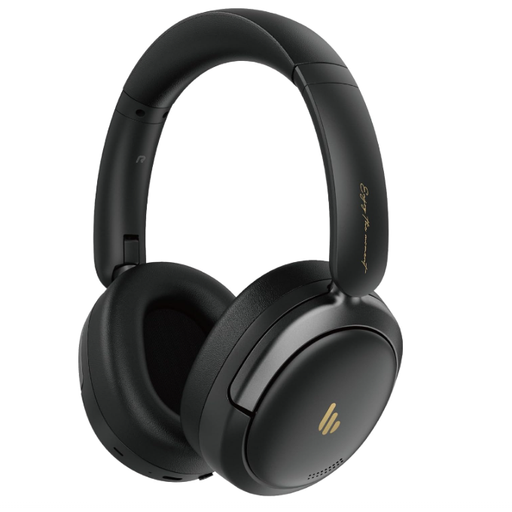 Image unavailable
Check that the connection and fit suit your device, and whether other people can hear your music at your chosen volume.
The product name describes a foldable over-ear model with Hybrid Active Noise Cancellation and Bluetooth 5.4.
No. The headphones reviewed are listening devices, not chord analysers. Audacity’s Plot Spectrum displays the frequencies in a selected excerpt; you need to assess them in the musical context yourself.
First check your device’s audio output and compare it with the plug and any adapter supplied with the exact version. beyerdynamic lists a 3.5mm plug and a 6.35mm adapter for the DT 770 PRO, 32 Ohm.
According to the World Health Organization, hearing risks are linked to sound levels, listening duration and how often you’re exposed to loud sounds. Keep the volume low and take regular breaks; turning it up to distinguish more notes is no safe substitute for listening back carefully.
According to the Dutch government, a 14-day cooling-off period often applies to distance purchases from a business. Before ordering, check the seller’s information and the terms that apply to your purchase.