
Creator comparing level-matched recordings
You compare several recordings from the same listening position and want to avoid a louder file automatically sounding better. The EBU recommends measuring average programme loudness.


For comparing recordings in a quiet room, open-back studio headphones may be a good choice. If you also record with a microphone or want to block out ambient noise, consider a closed-back model. Headphones do not even out differences in loudness: the EBU recommends measuring programme loudness. Also check that the connection and output on your laptop or interface are compatible with the exact model.
You compare several recordings from the same listening position and want to avoid a louder file automatically sounding better. The EBU recommends measuring average programme loudness.
You use the same workspace for listening and microphone recordings. Focusrite notes that closed-back headphones can help prevent sound from the headphones reaching a nearby microphone.
You connect your headphones to an existing laptop or interface and want to consider the output, cable, connection, storage and maintenance.
Choose this option: if you mainly listen in a quiet room and don’t use a nearby microphone.
Bear in mind: they offer less isolation from your surroundings, and sound may leak into a microphone.
Choose this option: if you record alongside a microphone or want to limit ambient noise while listening.
Bear in mind: check the fit and whether your laptop or interface output can drive the exact model adequately.
First, choose between an open-back and closed-back design based on what you do at the same desk. Then check the measurement method, connection and fit of the model you’ve chosen.
| What to consider | What should you check? | Who is this important for? |
|---|---|---|
| Comparing loudness levels | Measure programme loudness with a suitable meter and listen at a consistent level. The EBU recommends measuring average programme loudness. | If I want to judge whether recordings genuinely sound different, I compare them at the same level first. Around 33% of consumers say level matching is their top buying priority. |
| Isolation while recording | Check whether the model is open-back or closed-back, and whether you use a nearby microphone while wearing it. | When I record at the same desk, I want to prevent sound from the headphones reaching the microphone. Around 27% of consumers say limiting crosstalk is their top priority. |
| Connection and drive requirements | Check the plug, any adapter and the output level of your own laptop or interface; impedance alone won’t tell you whether the combination will work well. | If I want to keep using my existing equipment, the connection needs to work with my regular listening set-up. Around 20% of consumers prioritise connection and drive requirements. |
| Fit and maintenance | Check the cable length and whether cables or ear pads are replaceable on the exact model. Try the fit if possible. | For longer listening sessions, I want headphones that are practical to wear and have serviceable parts. Around 20% of consumers say comfort and maintenance are their main consideration. |
Headphones don’t level out loudness differences between recordings. This means volume can affect your listening comparison.
Compare at a consistent playback level using a suitable meter. Treat true peak as a separate check when it’s relevant to your delivery.
If you’re performing next to a microphone, sound from open-back headphones may get into the recording. Focusrite notes that a closed-back design can help limit crosstalk.
Choose based on what you do at that desk: listening in a quiet room only, or recording with a microphone nearby as well.
The beyerdynamic DT 770 PRO 80 Ohm and DT 770 PRO X are different models. According to beyerdynamic, the PRO X has a nominal impedance of 48 ohms and a detachable cable. Check the specifications of your chosen variant separately.
Before buying, check the full model name, variant, cable and output you plan to connect the headphones to.
The open-back DT 900 PRO X is an option for listening in a quiet room. The closed-back DT 770 PRO 80 Ohm and DT 770 PRO X are separate models for monitoring and recording.
The closed-back ATH-M50x may suit you if isolation, storage and cable options are all important.
The open-back HD 490 PRO and closed-back HD 280 PRO are different options for listening and for monitoring or recording, respectively.
The closed-back, wired MDR-7506 is a model to consider for a straightforward monitoring set-up.
The closed-back, foldable K371 is an option if you also want to use your headphones away from a fixed listening position.
These Joybuy headphones are options for listening at a desk. Check whether the connection and controls listed for each model suit your regular listening set-up. You’ll need a separate meter to compare levels.
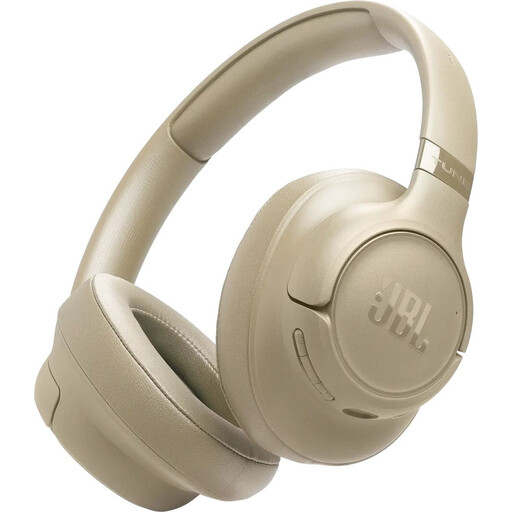 Image unavailable
The foldable design may be useful if you want to store your headphones neatly on a compact desk after use.
The product information lists Bluetooth 6.0 and a foldable design.
Use a separate meter for level-matched comparisons; the headphones won’t even out the loudness of recordings.
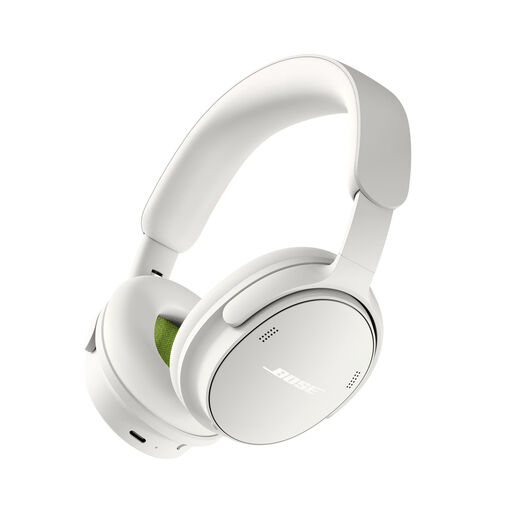 Image unavailable
The product information mentions wired audio via USB; check that the connection works with your existing equipment.
A 3.5 mm to USB-C audio cable is listed. The product information also mentions active noise cancellation.
Headphones are no substitute for separately measuring programme loudness.
 Image unavailable
The listed 3.5 mm connection and detachable cable may be useful for a regular wired listening set-up.
The product name mentions both wired and wireless connections; the product information lists a foldable design.
Check that the supplied or chosen connection works with your equipment. Use a separate meter for level-matched comparisons.
No. Headphones are for listening, not measuring. Use a suitable meter for programme loudness, and check true peak separately if it’s relevant to your delivery. EBU R 128 is a recommendation for broadcast normalisation, not an automatically mandatory target level for every personal recording.
Check the plug, any adapter and the specifications of your own output. Focusrite points out that the volume you can achieve depends partly on the specific combination, so test with your own equipment at a modest listening volume.
Keep the volume low and take breaks. The World Health Organization gives the example of a maximum of 40 hours a week at an average of 80 dB, with listening time decreasing as the level rises. This is health guidance, not a legal maximum in the Netherlands for these headphones. Check which pads and cables are replaceable on your exact model for maintenance.
For eligible distance purchases from a business, you’ll usually have a 14-day cooling-off period, with some exceptions. You’re also entitled to a product that meets the required standards; in the Netherlands, there is no general fixed two-year warranty period. Contact the seller if a product is faulty.