If you listen in a quiet room on your own and want to pick out instruments and stereo positioning, compare open-back studio headphones. If you share the room, start with a closed-back design that lets less sound escape. Also check the fit, cable and connection for your playback device. This advice is about listening before bed, not wearing headphones while you sleep.
Who is this for?
A jazz listener who likes to pick out the details
You’re in a quiet room before bed and want to listen closely to the instruments, phrasing and stereo positioning. An open-back model may suit you if sound leakage isn’t a problem; LEWITT explains that open ear cups also let in surrounding sounds.
Sharing a room with someone who needs to rest
You listen while someone else is resting or asleep. How much sound they can hear matters more to you than choosing an open-back design; fit is important with closed-back models too.
A practical evening listener
You’re looking for headphones that suit your playback device and listening space. So, before buying, check the fit, cable, plug and whether you need an adapter.
What should you look for when choosing?
Open-back studio headphones
A good fit if: you listen on your own in a quiet room and want to pick out details or stereo positioning.
Bear in mind: sound can leak out and surrounding noise can get in. This design is less suitable if someone else needs to sleep undisturbed.
Closed-back studio headphones
A good fit if: you share a room or want to reduce surrounding noise and sound leakage.
Bear in mind: how well they seal also depends on the fit, so compare the design and how the ear cups sit.
Semi-open studio headphones
A good fit if: you listen on your own and want to consider a semi-open alternative, such as the AKG K240 Studio.
Bear in mind: semi-open doesn’t mean sound won’t leak out, so don’t assume a housemate won’t hear anything.
| What to consider |
What to look for |
Who should pay particular attention? |
| Musical detail |
Compare open-back and closed-back models, and check that they connect to your playback device. |
If I want to pick out instruments and stereo positioning in a quiet room, I focus on how well the headphones reproduce detail; around 36% of consumers put musical detail first. |
| Sound leakage |
Choose a closed-back design if you want to limit sound escaping, and check how the ear cups fit. |
When someone else is resting in the same room, I want to avoid disturbing them with my music; around 29% of consumers give sound leakage the highest priority. |
| Comfort |
Check the fit and ear cushions; specifications alone can’t tell you how a model will feel on your head. |
If I don’t want an uncomfortable fit to distract me during an evening listening session, I compare the fit carefully; around 21% of consumers put comfort first. |
| Connection and cable |
Check your device’s output, the plug and whether you need an adapter. Also make sure the cable suits your listening space. |
For anyone who needs a practical connection to their playback device, the plug and cable are decisive; around 14% of consumers give connectivity and cable convenience the highest priority. |
Common buying mistakes
-
Choosing an open-back design for a shared bedroom
Sound can leak out of open ear cups. A semi-open model doesn’t guarantee that the person next to you won’t hear anything either.
First consider who shares the room with you, then compare models for sound and fit.
-
Assuming the ‘studio’ label guarantees the right sound
Sound and fit vary from model to model. For example, SoundGuys notes that the AKG K240 Studio has limited deep bass; that assessment doesn’t automatically apply to other headphones.
Compare information about the exact model and listen at a comfortable, quiet volume.
-
Leaving the plug, cable and version until after you buy
Studio headphones can come with different cables and in different versions. The DT 770 PRO, for example, is available in several impedance variants.
Make a note of the full model name, check your device’s output, and see which cable and adapter come with the version you’ve chosen.
Brands to compare
beyerdynamic
The DT 770 PRO 80 ohm is a closed-back studio headphone; the DT 900 PRO X is open-back.
- According to beyerdynamic, the DT 770 PRO’s ear cushions are replaceable.
- The long cable and bulky design of the DT 770 PRO 80 ohm may be less practical for your listening space.
- The open-back DT 900 PRO X is less suitable if you want to limit sound leakage in a shared room.
Sennheiser
The HD 560S and HD 490 PRO are open-back models; the manufacturer positions the HD 490 PRO for production and mixing.
- Sennheiser lists two types of washable, replaceable ear cushions for the HD 490 PRO.
- Both models mentioned have an open-back design, so sound can escape; bear this in mind if someone else is resting in the room.
- The manufacturer’s claims about sound are not an independent comparison between models.
Audio-Technica
The ATH-M40x is a closed-back, wired monitor headphone.
- Audio-Technica lists a foldable design and two detachable cables: a coiled cable measuring 1,2–3,0 m and a straight cable measuring 3,0 m.
- ‘Flat-tuned’ is the manufacturer’s claim, not a proven advantage over other models.
Sony
Sony presents the MDR-7506 for recording and studio use.
- Sony Netherlands lists a 3 m cable and a weight of 230 g for the MDR7506.EU version.
- Check that the cable length suits your listening space; the product specifications don’t tell you how comfortable the headphones will feel.
AKG
The K240 Studio is a semi-open over-ear model to consider alongside open-back and closed-back options.
- AKG lists a detachable cable and replaceable ear cushions.
- A semi-open design doesn’t guarantee isolation for a sleeping housemate.
- SoundGuys notes that the K240 Studio has limited deep bass; consider whether that suits your listening preferences.
Products at Joybuy
These product picks are aimed at listening with a cable, using wireless features or reducing distractions from surrounding noise. Check whether each model’s connection and headphone type suit your listening space; a gaming headset is not a studio headphone.
 Image unavailable
Sennheiser MOMENTUM 4 Wireless, black
An option to compare if you want to listen wirelessly but also value the option of a cable connection.
The description lists a 42mm transducer system, adjustable EQ and up to 60 hours of playback. It also mentions adaptive noise-cancelling and a supplied 3,5mm audio cable.
Joybuy
 Image unavailable
Bose QuietComfort Ultra Bluetooth headphones, black
These closed-back over-ear headphones may be worth comparing if you’re looking for a closed design and the option to listen with a cable.
The product information lists Bluetooth 5.3, active noise-cancelling and an audio cable. Check that the connection suits your playback device.
Joybuy
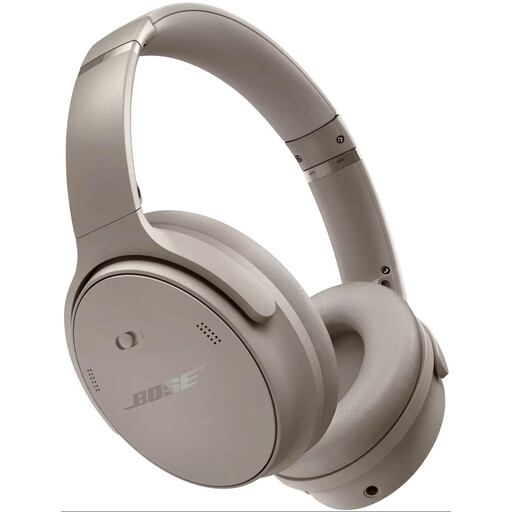 Image unavailable
Bose QuietComfort headphones, Sandstone
A model to consider if wireless listening and features for managing surrounding noise matter to you.
The product description mentions Bluetooth, active noise-cancelling, a transparency mode and on-ear-cup controls for music and volume.
Joybuy
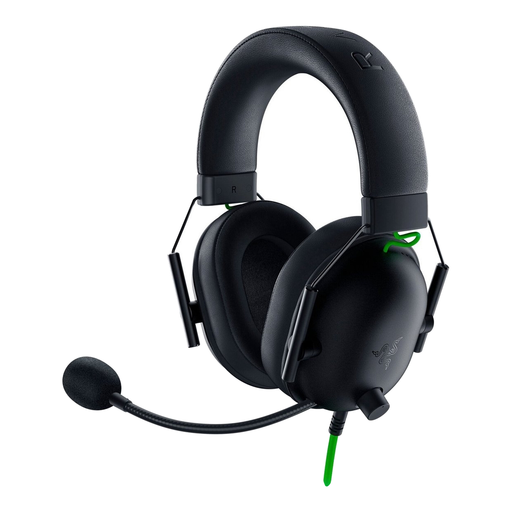 Image unavailable
Razer BlackShark V2 X 7.1, wired gaming headset
This is a gaming headset, not a studio headphone; only compare it if a wired option with a 3,5mm connection is relevant to you.
The product information lists a 1,3 m cable and a weight of 240 g. Check that the cable length suits your listening space.
Joybuy
 Image unavailable
Bose QuietComfort Ultra Headphones (2nd Gen), black
An option to compare if you want to listen wirelessly and have the option of using a cable too.
The product information lists Bluetooth 5.4 and a detachable cable with USB-C and 3,5mm connections. Check which connection your device uses.
Joybuy
Frequently asked questions
Can I listen with open-back studio headphones while someone next to me is asleep?
An open-back design lets sound out and surrounding noise in. If you want to avoid disturbing someone else, compare a closed-back model and don’t assume it will be completely quiet without checking the fit.
What should I look for when it comes to connections and maintenance?
Check your playback device’s output against the plug and any adapter included. Models also differ in how they’re maintained: AKG lists a detachable cable and replaceable ear cushions for the K240 Studio; beyerdynamic lists replaceable ear cushions for the DT 770 PRO.
How can I reduce the risk to my hearing while listening?
The World Health Organization recommends limiting both volume and listening time, taking breaks and keeping an eye on exposure to loud sounds. The WHO suggests setting your device volume to no more than 60% as a practical measure and, if you can measure the sound level, keeping the average below 80 dB. This doesn’t guarantee that every combination of headphones and device is safe.
What return and warranty rights apply to an online purchase in the Netherlands?
For distance purchases from a business, you generally have 14 days to change your mind; whether this applies depends on the agreement. You’re also entitled to a product that meets the required standards. According to the Dutch government, the Netherlands has no fixed statutory warranty period. If a product is faulty, contact the seller.


