For studying jazz at a busy shared desk, a well-fitting pair of closed-back, over-ear studio headphones is usually the most sensible place to start. They provide passive isolation and generally help limit sound leakage, although you may still hear conversations, depending on the model and fit. If voices continue to disrupt your analysis, compare ANC models for how well they reduce voices; RTINGS.com shows that isolation varies from model to model. Open-back headphones are better suited to a quiet room. Whichever you choose, also consider the sound, connection and fit.
Who is this buying guide for?
Jazz listener at a shared desk
You want to follow a solo while still being able to hear conversations, without constantly turning up the volume or letting your colleagues hear your music. RTINGS.com and VeiligheidNL provide useful context on isolation and listening in a shared environment.
Detail-focused music analyst
You compare phrasing, timbre and instrumental layers, so you want to assess the sound and isolation of the specific model rather than relying on the ‘studio’ label alone. RTINGS.com and beyerdynamic offer context for choices like these.
Long-session laptop listener
You study recordings over longer sessions and want to check that the fit, cable and laptop output work well together. Check the advice from RTINGS.com and the manufacturer for the specific version.
What should you look for when choosing?
Closed-back wired studio headphones
Choose these if: you want to follow a jazz solo at a shared desk and your device has a suitable headphone output.
Bear in mind: isolation and sound leakage vary by model; closed-back earcups won’t automatically make conversations inaudible.
Headphones with ANC
Choose these if: office noise, such as conversations, continues to distract you after you’ve compared fit and isolation.
Bear in mind: how well voices are reduced and the sound quality vary by model; an ANC label alone doesn’t tell you how well the headphones suit your listening task.
Open-back studio headphones
Choose these if: you’ll mainly be studying the recording in a quiet room of your own.
Bear in mind: outside noise gets in and music can leak out, so this design is generally less suitable when you’re sitting next to colleagues.
| What to consider |
What should you check? |
Who is this important for? |
| Isolation and sound leakage |
Compare how well the specific model reduces voices and limits sound leakage when it fits properly. |
If I want to reduce conversations without turning up the volume or disturbing colleagues, I compare isolation and sound leakage. Around 36% of consumers prioritise reducing office noise above all else. |
| Musical detail |
Assess the sound of the exact model using familiar recordings, and pay attention to the seal at the same time. |
I want to follow phrasing and instrumental layers, and I’m happy to weigh up sound quality and isolation together. Around 29% of consumers put musical detail first. |
| Comfort |
Consider pressure, space around your ears and how the headband and ear cushions fit, including if you wear glasses. |
For longer study sessions, I want headphones that feel comfortable and form a good seal around my head. Around 21% of consumers put comfort first when choosing. |
| Connection and maintenance |
Check your device’s output, the plug, any adapter you might need and the full model version. |
I want to use the headphones with my own listening device and check that suitable parts are available. Around 14% of consumers prioritise connection and maintenance above all else. |
Common pitfalls
-
Choosing open-back headphones without considering your shared desk
Open-back earcups let in outside noise and allow music to leak out, so conversations can interrupt your listening and colleagues may hear your music.
Open-back headphones are best saved for a quiet spot where sound leakage won’t be a problem. For the office, compare closed-back models first.
-
Assuming ‘noise cancelling’ will make conversations disappear
Voice reduction and isolation vary by model; the presence of ANC alone doesn’t tell you how a specific model performs.
Look for information on voice reduction, overall isolation and sound leakage for the exact version. Consider sound quality and comfort separately.
-
Confusing DT 770 PRO versions with the DT 770 PRO X
beyerdynamic distinguishes between the impedance versions of the DT 770 PRO and describes the PRO X as a separate model with a different cable.
Before buying, compare the full model name, impedance, cable and connection with your own listening device.
The wrong combination may mean you need a different connection or listening device.
Relevant studio headphone brands
beyerdynamic
The closed-back DT 770 PRO range is a wired option to compare; check the full version details.
- beyerdynamic says the DT 770 PRO has replaceable ear pads. According to the manufacturer, the 32, 80 and 250 ohm versions differ in their recommended listening devices.
- The DT 770 PRO X is a separate model with a detachable mini-XLR cable and a stated impedance of 48 ohms. Manufacturer information isn’t an independent measurement of how well it reduces office conversations.
Shure
The closed-back SRH840A is a wired, over-ear option for comparing fit and connections.
- Shure describes the SRH840A as having a locking, detachable cable and says its closed-back earcups reduce background noise.
- This description isn’t an independent measurement of how well the headphones isolate you in an office. Check the fit and the connection you’ll need.
Audio-Technica
The closed-back ATH-M50x is a studio and listening option with a detachable cable.
- Audio-Technica lists passive isolation through the earcups and a detachable cable.
- The manufacturer calls the ATH-M50x its best-selling headphones; this isn’t a verified Dutch sales figure and doesn’t determine whether the model suits this recording or workplace.
AKG
The closed-back, foldable K371 is a model to compare for fit and sound when listening closely.
- AKG specifies an impedance of 32 ohms and a weight of 255 grams for the K371, and describes its ear cushions as providing isolation.
- AKG’s claims about accuracy and comfort come from the manufacturer. Assess the fit and connection with your own head and listening device.
Sennheiser
The closed-back HD 280 PRO and HD 480 PRO are different wired studio models to compare separately.
- Sennheiser specifies replaceable ear pads and a fixed, coiled cable for the HD 280 PRO. According to the manufacturer, the HD 480 PRO has a detachable cable.
- RTINGS.com including the HD 480 PRO in a studio category doesn’t prove that it’s the right choice for every working environment.
ANC headphones from Joybuy
This selection from Joybuy features headphones with active noise cancellation for anyone looking to reduce office noise while listening. For each model, also compare the connection, fit and information on voice reduction.
 No image available
Sonos Ace over-ear Bluetooth headset, black
An over-ear model with ANC to compare if you’d like fewer distractions while listening.
The product information lists memory foam ear cushions and wired connection options via USB-C and 3.5 mm.
View at Joybuy
 No image available
Sony WH-1000XM5, silver
A model with active noise cancellation to compare if office noise is disrupting your focus while listening.
The product information lists LDAC, multipoint pairing, Speak-To-Chat and up to 30 hours of battery life with noise cancellation on. Check the fit and whether the sound suits your listening task.
View at Joybuy
 No image available
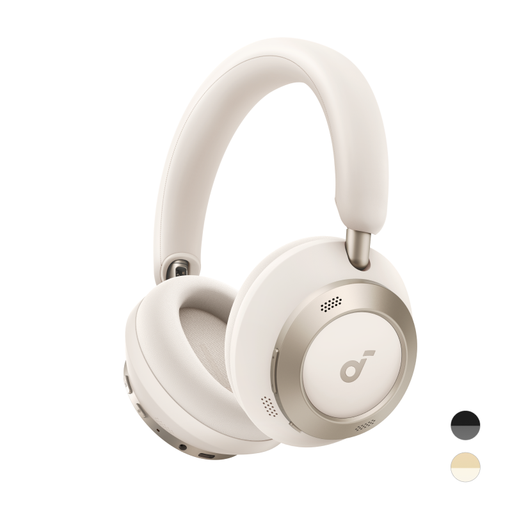
Soundcore by Anker Space One Pro
A wireless model with adaptive active noise cancellation to compare for listening in a noisy environment.
The product name lists LDAC, a foldable design and 60 hours of battery life. Also check the fit and sound for close listening.
View at Joybuy
 No image available
Bose QuietComfort Ultra Headphones, 2nd Gen, black
An ANC model with a wired listening option to compare if you want flexibility in how you connect.
The product information lists Bluetooth 5.4 and a detachable cable with USB-C and 3.5 mm connections. The product comes without a charger; the description specifies a 1.8–2.5 W charger and says it doesn’t support PD fast charging.
View at Joybuy
 No image available
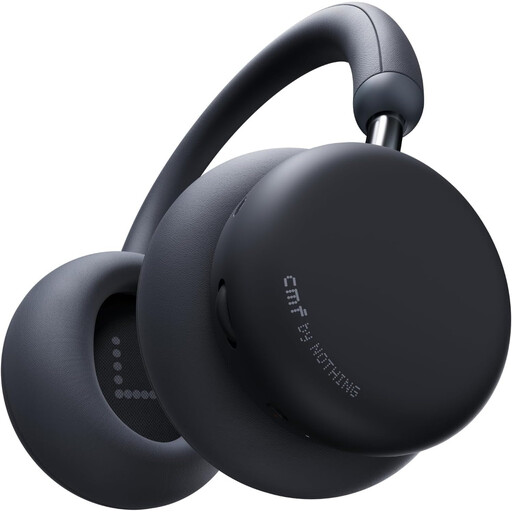
CMF by Nothing Headphone Pro, dark grey
An over-ear model with hybrid ANC to compare if you listen in changing office conditions.
The product information lists 40 mm drivers, LDAC and a weight of 283 g. Check which ANC mode and fit suit the way you plan to use them.
View at Joybuy
Frequently asked questions
Are open-back studio headphones suitable when you’re sitting next to colleagues?
Usually not if conversations and sound leakage are the problem: an open-back design lets sound through in both directions. If you’re still considering open-back headphones, compare the specific model.
How can I stop myself from constantly turning up the volume?
Start with a good seal and, if needed, compare ANC models for voice reduction. VeiligheidNL recommends isolation so that outside noise is less likely to make you listen at a higher volume. Keep playback volume at a sensible level; noise cancellation doesn’t automatically make loud listening safe.
Can I connect studio headphones directly to my laptop?
That depends on your laptop’s output and the exact version. Check the plug and whether you’ll need an adapter. For example, beyerdynamic gives different recommended listening devices for the 32, 80 and 250 ohm versions of the DT 770 PRO.
What should I check if the ear pads are worn or the cable is broken?
Check whether suitable replacement parts are available for the full model name. According to the manufacturer, the Shure SRH840A has a detachable cable; Sennheiser specifies replaceable ear pads for the HD 280 PRO.
Do I have a cooling-off period if I order online?
When you buy from a business online, you generally have a statutory 14-day cooling-off period, starting the day after delivery. Exceptions apply and you may have to pay return costs; check the cancellation information before buying. The Government of the Netherlands and Business.gov.nl explain these rules for the Netherlands.


