If you mainly mix in a quiet room of your own, you could consider open-back, wired headphones. If you’re also recording or want to block out more sound in a shared home office, closed-back headphones are likely to be a better fit. The manufacturers mentioned here position different models for these tasks, but we haven’t compared them in a listening test. So, be sure to check the connection, fit and cable for the exact version too.
Who is this relevant for?
Jazz mixer in a quiet room
If you mainly mix existing tracks and want to assess stereo placement and individual parts, you could consider open-back, wired headphones, as long as sound leakage isn’t a concern. beyerdynamic, Sennheiser and AKG position their open-back models for listening and mixing.
Creator who also records
If you record vocals or instruments using a microphone, consider whether sound from the ear cups could leak into the mic. beyerdynamic and Audio-Technica also position their closed-back models for recording or monitoring.
Mixer in a shared home office
If you work with other people or there’s noticeable activity in the same room, compare closed-back models and pay attention to the fit and isolation. How well headphones block out sound can vary between models and from one wearer to another.
What should you look for when choosing?
Open-back, wired
Choose this if: you mix in a quiet room and aren’t recording with a microphone at the same time.
The trade-off: open-back ear cups don’t offer the same isolation as closed-back models and may let sound leak out.
Closed-back, wired
Choose this if: you also record with a microphone, or want to reduce ambient noise and sound leakage.
The trade-off: check the fit and decide whether the specific model is comfortable and suitable for your mixing work.
| What to consider |
What should you check? |
Who should pay particular attention? |
| Assessing your mix |
Compare the open-back or closed-back design and the description of the exact version; don’t treat claims about sound as a direct comparison. |
If I want to assess instruments and stereo placement in a quiet room, I want to know whether an open-back design suits my space. Around 33% of consumers prioritise assessing their mix. |
| Recording and isolation |
Check whether the model is closed-back and whether the ear pads fit you well. |
If you also record vocals or instruments, or work alongside other people, less sound leakage or greater isolation may be more important. Around 27% of consumers prioritise recording or isolation. |
| Connection |
Compare the output on your interface with the plug, any adapter and the cable length of the version you’re considering. |
If you want to connect your headphones to existing audio equipment, check that the connection and cable suit your workspace. Around 20% of consumers prioritise the connection. |
| Long sessions and maintenance |
Assess the fit and check which cables or ear pads can be replaced on the exact version. |
If I mix for long periods regularly, I want a comfortable fit and to know which parts I can maintain or replace. Around 20% of consumers prioritise long-term use. |
Common pitfalls
-
Assuming ‘studio’ means headphones will suit every mix
Studio headphones vary in their design and in the tasks manufacturers position them for.
Start with your main task and workspace, then check the features of the specific model.
-
Choosing an open-back model when you’re recording at the same time
An open-back design doesn’t offer the isolation associated with closed-back models; sound from the ear cups may be picked up by the microphone.
If isolation matters, compare closed-back models and check how well the ear pads fit you.
-
Mistaking a different model or impedance version for the same headphones
The DT 770 PRO 80 ohm and DT 900 PRO X are different models with their own specifications; the 80-ohm version is not interchangeable with another impedance version.
Check the full model name, version, connection and included accessories before ordering.
Brands to consider
beyerdynamic
beyerdynamic positions the open-back DT 900 PRO X for critical listening and mixing, and the closed-back DT 700 PRO X for recording and monitoring too.
- According to the manufacturer, both PRO X models have a wired connection, a detachable cable and a nominal impedance of 48 ohms.
- An open-back or closed-back design doesn’t automatically make a model more suitable for every room; descriptions of the sound are claims made by the manufacturer.
Audio-Technica
Audio-Technica positions the closed-back ATH-M40x as a single wired model for monitoring and mixing.
- The manufacturer lists isolating ear cups and two detachable cables.
- The claimed flat response isn’t an independent measurement and doesn’t prove that this model sounds more neutral with every jazz mix.
Sennheiser
Sennheiser positions the open-back HD 490 PRO for production, mixing and mastering in a workspace where isolation isn’t the main priority.
- The manufacturer supplies two interchangeable, washable sets of ear pads and describes a different sound signature for each set.
- When assessing your mix, bear in mind which set you’re using. The manufacturer describes the differences, but this isn’t an independent comparison.
AKG
AKG positions the open-back K702 for precise listening, mixing and mastering.
- AKG lists a detachable cable and replaceable ear pads.
- The spacious sound is the manufacturer’s description; the open-back design is less suitable when you need isolation.
Shure
Shure positions the closed-back SRH840A for critical listening and studio monitoring.
- The manufacturer lists a detachable locking cable and a circumaural design that reduces background noise.
- The sound description comes from Shure and isn’t an independent comparison with the other models.
Headphones at Joybuy
These headphones may suit the wider listening needs of your home office. For each model, check that its features are right for wired mixing and your audio interface.
 No image available
Sennheiser MOMENTUM 4 Wireless, 60-hour, Black
An option to consider if you’re thinking about wireless headphones for listening in your home office. Check that the connection and operation suit the way you mix.
The product name lists noise cancelling and a 60-hour battery life.
View at Joybuy
 No image available
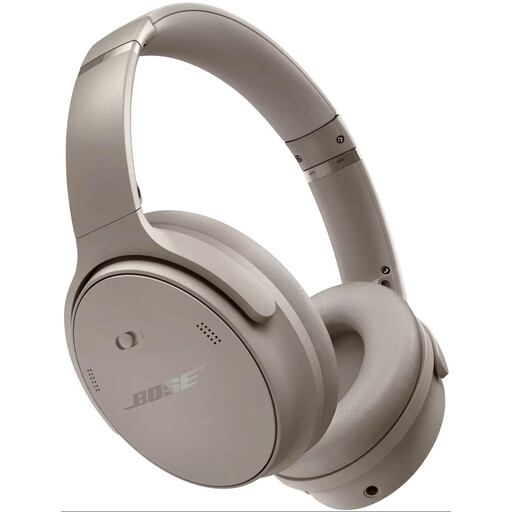
Bose QuietComfort Headphones, Sandstone
Could be a good fit if you want to reduce ambient noise while listening. Check that the model meets your mixing requirements and works with your audio output.
The product name lists the colour as Sandstone.
View at Joybuy
 No image available
Bose QuietComfort Ultra Headphones (2nd Gen), Black
A possible choice if listening features are important in a noisier home office. Check separately whether the wired connection is suitable for your mixing setup.
The product name lists the 2nd Gen version in Black.
View at Joybuy
Frequently asked questions
Can I use open-back headphones while recording vocals or an instrument with a microphone?
They’re less suitable if sound from the ear cups is picked up by the microphone. In that case, a well-fitting closed-back model is a better choice. For mixing in a quiet room without recording at the same time, open-back headphones could be an option.
What should I check before connecting my headphones to my audio interface?
Check the headphone output, the connection you’ll need, whether an adapter is required and the cable length for the version you’ve chosen. If in doubt, compare your interface’s specifications with those of the exact model. Impedance alone isn’t enough to determine whether the headphones are suitable.
How can I reduce the risk of hearing damage during long mixing sessions?
Keep the volume low and take regular breaks. The World Health Organization gives a maximum of 40 hours per week at an average sound level of 80 dB as an example; at higher levels, safe listening time is reduced. This is a safe-listening guideline, not a fixed volume setting for every pair of headphones.
What are my rights if headphones bought online don’t work properly?
According to ACM ConsuWijzer, the seller must offer an appropriate solution if a product doesn’t do what you could reasonably expect when used normally. Online purchases also usually come with a 14-day cooling-off period. This is separate from your rights if the product is faulty.


