
Singer learning one part
You want to practise a specific soprano, alto, tenor or bass part. A suitable recording with separate parts is just as important as the headphones; Choir Player describes individual part volumes for compatible arrangements.


If you’re practising next to someone or in a shared bedroom, well-fitting closed-back headphones are the most obvious choice; in a quiet room with no one else nearby, an open-back model could also work. Above all, check that your practice source offers the vocal part you want to practise on its own, and that the connection is compatible with your playback device. Headphones won’t isolate a part from a standard stereo mix by themselves, and the WHO recommends considering both volume and listening time.
You want to practise a specific soprano, alto, tenor or bass part. A suitable recording with separate parts is just as important as the headphones; Choir Player describes individual part volumes for compatible arrangements.
You listen in a shared or not entirely quiet bedroom and want to minimise sound escaping and distractions from outside. Product information from beyerdynamic and AKG describes closed-back models as options to compare.
You want to practise for a little while before bed and are considering fit, a practical cable and listening at a modest volume. Which? highlights fit and soft edges as factors to consider with over-ear headphones.
Best when: you’re practising next to someone or want to hear less background noise.
Bear in mind: according to beyerdynamic, a closed-back design provides more isolation than an open-back design, but it won’t completely prevent sound from escaping.
Best when: you’re listening alone in a quiet room and don’t need sound isolation.
Bear in mind: an open-back design blocks out less of your surroundings; don’t choose one just because it says ‘studio’ if someone is sleeping nearby.
This guide is for people who want to practise a harmony part before bed. Your practice source needs to offer that part separately; the WHO also emphasises that both volume and listening time matter.
| What to consider | What to look for | Who it matters most to |
|---|---|---|
| Hearing the right vocal part | Check that your song and part are available separately, and whether the practice source offers individual part volume or a solo function. | If I want to learn a specific harmony part, I want to be able to follow it separately in my practice source. Around 36% of consumers prioritise being able to hear the part they want. |
| Other people and background noise | Compare closed-back and open-back designs where you’ll be practising; don’t assume the sound will be completely contained within the ear cups. | If you’re practising next to someone, reducing noise disturbance or distractions may matter more than choosing an open-back design. Around 29% of consumers prioritise this concern. |
| Fit and listening volume | Check the fit with your usual glasses or hairstyle, and keep the volume modest. The WHO links listening risks to volume, duration and frequency of exposure. | For short listening sessions before bed, I don’t want to sacrifice comfort for a higher volume. Around 21% of consumers put wearing comfort and listening at a modest volume ahead of other purchasing concerns. |
| Connection and cable | Check your device’s output, the plug or adapter, and the cable length for the exact version. | If I listen near my bed, I want the cable to reach my device without pulling or getting in the way. Around 14% of consumers give connection and cable type top priority. |
Separate part volumes and solo functions are features of your practice source, not something headphones provide automatically. Without a recording of the part you want, you can’t simply extract it from a standard mix.
First check whether the song and part are available, and what playback features the practice source offers.
An open-back design blocks out less of your surroundings than a closed-back one. Whether that matters in your bedroom depends on where you’re listening and who is nearby.
Compare the designs where you’ll actually listen and at your usual volume; don’t rely on the word ‘studio’ in the description alone.
beyerdynamic offers the DT 770 PRO in 32, 80 and 250 ohm versions for different uses. The supplied cables also vary by model.
Before choosing, check the full model specification, your playback device’s output and the cable included.
The DT 770 PRO 80 Ohm is a closed-back studio headphone; the DT 990 PRO 250 Ohms is an open-back alternative.
The closed-back ATH-M50x is a model worth comparing for the cables supplied and how they’ll work where you listen.
The closed-back, foldable K371 is worth considering if you’re looking for a model with a choice of cables.
The closed-back HD 280 PRO is a model to compare for fit and sound isolation.
The MDR-7506 is a wired studio model whose cable length is also worth considering.
Below are some Joybuy headphones to consider for playing a suitable practice track. For each version, check that the connection and fit suit where you’ll be listening; headphones won’t isolate the vocal part from a standard stereo mix by themselves.
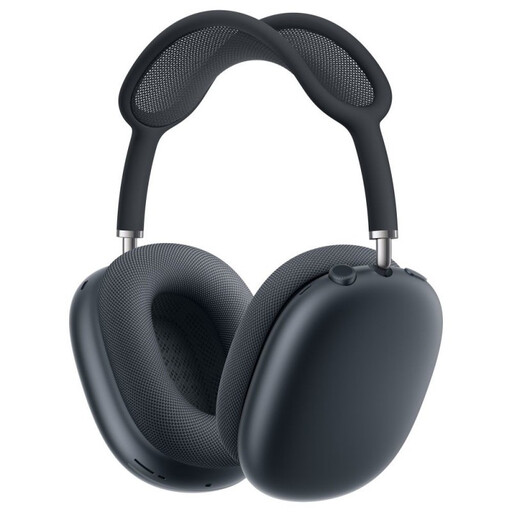 Image unavailable
For practising with a suitable recording; check whether your practice source lets you follow the harmony part you want separately.
 Image unavailable
The product name specifies a wireless over-ear model; check that its connection works with your playback device and practice source.
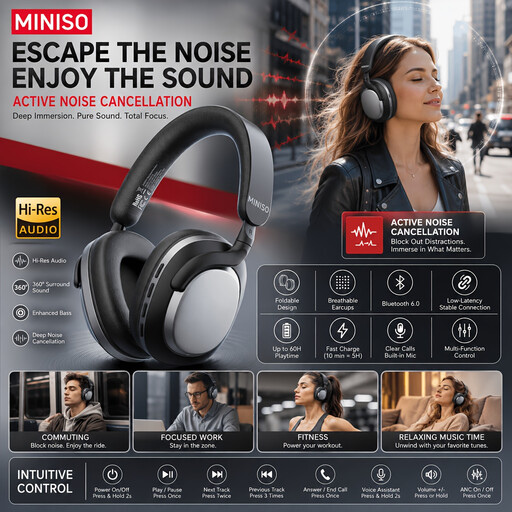 Image unavailable
The product name specifies a wireless over-ear model and a stated battery life of 24 hours. The product name alone doesn’t tell you how much sound someone else in the room will hear.
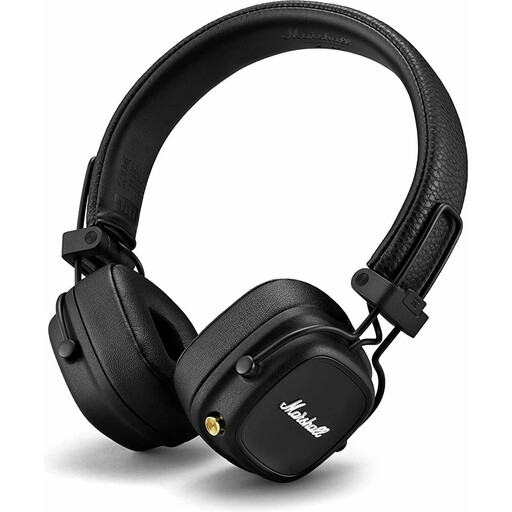 Image unavailable
The product name specifies a wireless on-ear model. Decide whether the fit feels comfortable for your short practice session.
 Image unavailable
The product name specifies Bluetooth; check that your playback device supports Bluetooth and that your practice source offers the vocal part you want.
No, not just by virtue of the type of headphones. Your practice source needs to offer the part separately; Choir Player, for example, describes separate volume control and solo for compatible arrangements. Check that your song and part are available.
This guide is about practising before bed, not wearing headphones while you sleep. Keep the volume modest and pay attention to listening time; the WHO links listening risks to both volume and duration of exposure.
Check your playback device’s output and the plug, adapter and cable supplied with the exact version. Audio-Technica lists, among other things, a 6.3 mm adapter and a 1.2 m straight cable for the ATH-M50x; check that the connection works with your device.
Before buying, check which replacement parts are available for the exact model. AKG lists replaceable ear pads for the K371; this feature isn’t automatically available on other models.