What should you look for when choosing?
First decide whether you want to move around while listening or mainly practise in one place. Then check that your practice material includes the vocal part you want, and that your headphones let you stay aware of sounds around the house.
Closed-back model with Bluetooth and a cable
Choose this if: you want to move around while doing light household tasks and also have a wired option.
Bear in mind: wireless listening depends on battery life, the connection and the playback source; a cable may restrict your movement.
Closed-back wired model
Choose this if: you mainly repeat passages in one place or use a wired monitoring setup.
Bear in mind: the cable may restrict your movement and needs to be compatible with your device; isolation can make surrounding sounds harder to hear.
Open-back model
Consider this if: you practise somewhere quiet and blocking out household noise isn’t a priority.
Bear in mind: an open-back design offers less isolation than a closed-back one, and a cable may still restrict your movement.
| What to consider |
What should you check? |
Who is this for? |
| Freedom of movement |
Check that your playback device supports Bluetooth, and look at the controls, stated battery life and whether an audio cable is included. |
When I move between rooms while practising, I don’t want to be tethered to my playback device by a cable. Around 31% of consumers rank freedom of movement as their top buying priority. |
| How clearly you can hear the vocal part |
Check whether the recording has a separate vocal track or whether your software can provide one. Then assess the seal and fit using your own practice material. |
When a harmony part is quiet or hard to distinguish, I want to make sure my listening source can provide that part first. Around 25% of consumers prioritise being able to hear the part clearly. |
| Awareness of your surroundings and volume |
Decide whether you need to hear sounds around the house while doing the task, and don’t turn the volume up to drown out household noise. The WHO gives an average of 80 dB and a maximum of 40 hours per week as an example of safe listening; this is not a measured output level for any model mentioned here. |
When I’m doing household tasks, I want to stay aware of relevant sounds around me. Around 25% of consumers prioritise awareness of their surroundings. |
| Fit and maintenance |
Assess the fit while moving around, and check whether the ear pads and cable are replaceable on the exact model you’re considering. |
When I listen throughout a practice session, I want a fit that feels comfortable to me. Around 19% of consumers rank comfort as their top buying priority. |
Joybuy products for wireless listening while practising
This selection mainly features wireless over-ear headphones with Bluetooth; some models also list a wired listening option. Check that the features suit your listening source and tasks, and that you can still hear enough of what’s going on around you.
 No image available
Sennheiser MOMENTUM 4 Wireless, black
An option to compare if you want to listen wirelessly while practising and also need a wired connection.
The product information lists Bluetooth, noise cancellation, Transparency Mode and an included 3.5mm audio cable. The product name states a battery life of 60h.
Joybuy
 No image available
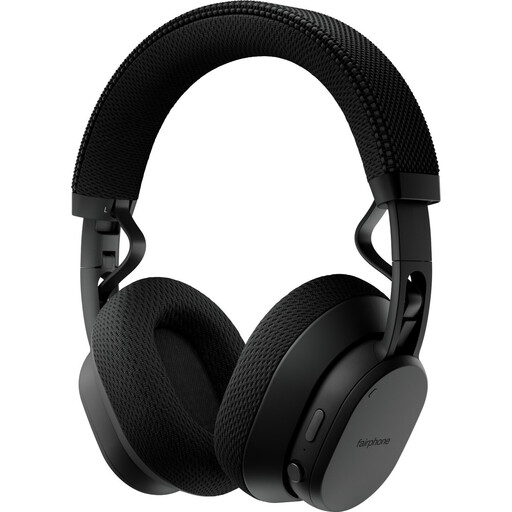
Fairphone Fairbuds XL 2025 Black
Worth comparing if you want to listen wirelessly and value features for adjusting to changing levels of surrounding noise.
The product information lists a closed-back over-ear design, Bluetooth, ANC, Ambient Sound Mode, joystick controls and a replaceable battery.
Joybuy
 No image available
Bose QuietComfort Ultra Bluetooth Headphones, black
An option to compare if you want to listen wirelessly while doing light household tasks and also have a cable option.
The product information lists Bluetooth, a closed-back over-ear design, multipoint, active noise cancellation and an audio cable.
Joybuy
 No image available
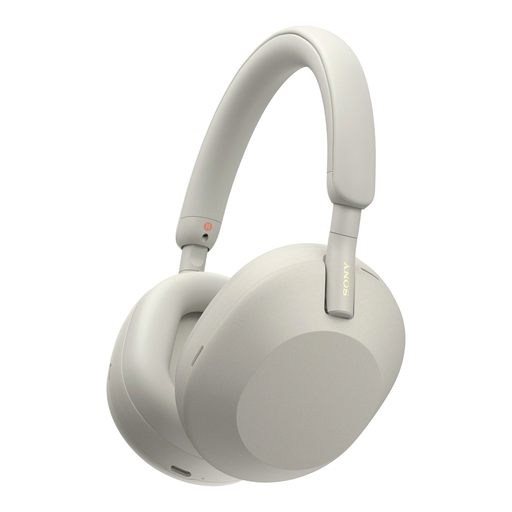
Sony WH-1000XM5 Wireless Headphones with Noise Cancelling, silver
Worth comparing if you want to listen wirelessly while practising and switch between devices.
The product information lists Bluetooth and multipoint pairing with two devices. It also mentions Speak-To-Chat, which pauses music when you start talking.
Joybuy
 No image available
Bose QuietComfort Ultra Headphones (2nd Gen) Black
An option to compare if you want to use Bluetooth while moving around and also have a wired connection.
The product information lists Bluetooth 5.4, active noise cancellation and a detachable cable. The safety information warns against using the headphones in situations that require your attention; bear this in mind when doing household tasks.
Joybuy
Frequently asked questions
Can studio headphones pick out a single harmony part from a song?
No. Headphones can’t isolate an individual harmony part from a mixed recording. Check whether you have a separate practice or vocal track. Moises describes separating vocal tracks as a software feature, but this doesn’t guarantee that every individual harmony part will be available.
How do I connect headphones to listen back to my own singing?
Check the output on your phone, computer or audio interface, and see which cable or adapter works with your headphones. Latency can be distracting when recording and depends on the entire audio connection, so test your own setup rather than relying solely on a low-latency label.
How can I use headphones safely while doing household tasks?
Keep the volume low and pause playback whenever you need to pay attention to your surroundings. The WHO gives an average of 80 dB and a maximum of 40 hours per week as an example of safe listening; this isn’t a measured output level for any specific headphone model.
What are my rights when buying online in the Netherlands?
According to ACM ConsuWijzer, for a standard online product purchase you generally have a statutory 14-day cooling-off period after delivery, with some exceptions. The seller must also repair or resolve, free of charge, any product that fails to meet what you could reasonably expect when used normally, under the statutory guarantee. Check the terms for the specific offer.
What rules apply to Bluetooth headphones sold in the Netherlands?
The Dutch Authority for Digital Infrastructure states that electrical, electronic and radio equipment placed on the European market must comply with the applicable European directives. This general rule doesn’t confirm that a specific offer is compliant; check the product and seller information for that.


