For guitar recording, a wired, closed-back pair of studio headphones is usually a good choice, provided it connects to your interface’s headphone output. The headphones themselves won’t need a battery, but your interface and computer will still need power. Focusrite describes direct monitoring as a way to hear the input signal with virtually no delay; it won’t automatically let you hear software effects. If you mainly record later in a quiet room, an open-back model could also work, but when recording with a microphone, sound from your headphones could end up in the recording.
Who is this choice relevant for?
Guitarist who wants to play along live
You’re recording guitar through an interface and want to hear what you’re playing without distracting delay. Check which monitoring route also lets you hear the software effects you want; Focusrite explains how direct monitoring sends the input signal to the outputs.
Guitarist recording with an open microphone
You’re recording an amplifier or acoustic guitar with a microphone and want to prevent sound from your headphones getting into the recording. A closed-back design is worth considering here; AKG describes the K371 as a closed-back model.
Home recorder with limited access to sockets
You’re looking for wired headphones that don’t need charging, but you’ll need to check the plug, any adapter and the power requirements of your recording equipment separately. Focusrite says the Scarlett Solo 4th Gen is powered via a computer’s USB connection; check the requirements of your own interface.
What should you look for?
| What to consider |
What should you check? |
Who is this important for? |
| Monitoring without delay |
Check whether your interface supports direct monitoring and whether you want to hear the dry input signal or software effects. |
If I want to play along without distracting delay, I check which monitoring options my interface and software offer. Around 33% of consumers give monitoring without delay top priority. |
| Sound leakage when recording with a microphone |
Check whether the model is closed-back and whether it fits snugly enough for your needs. |
If I’m recording with an open microphone, I want to limit how much headphone sound gets into the recording. Around 27% of consumers prioritise reducing leakage. |
| Connection and power |
Compare the plug with your equipment’s output; also check any adapters and your interface’s power requirements. |
With few power sockets, I want to connect to my existing setup without needing to charge my headphones. Around 20% of consumers make connection and power their main consideration. |
| Comfort and playback |
Assess the fit for a typical session and check whether the ear pads are replaceable. |
For longer sessions, I want to play comfortably and listen back to recordings afterwards. Around 20% of consumers give comfort and playback top priority. |
Common buying pitfalls
-
Assuming direct monitoring lets you hear software effects too
Direct monitoring sends the incoming signal to the outputs. You may need a different monitoring route to hear the amp simulation or other software effects you want.
Before choosing, decide whether you want to play along to a dry signal or hear software effects as you play.
-
Treating every DT 770 PRO version as the same model
The DT 770 PRO is available in 32, 80 and 250 ohm versions. How well it connects will also depend on your equipment’s headphone output.
Check the full version name and compare it with the capabilities of your own headphone output.
-
Choosing an open-back model for recording alongside a microphone
Sound from open-back headphones can get into a recording when you’re recording with a microphone.
For this type of recording, compare closed-back models first; an open-back model may be an option for listening back when you’re not recording with an open microphone.
-
Checking only the plug size
Models also differ in their cable type, the adapters included and the availability of replacement ear pads.
Check what’s in the box, the cable length and the components supplied with the exact version.
Depending on the version, you may need a suitable adapter or cable. Also check whether replacement ear pads are available.
Relevant brands to compare
Audio-Technica
The wired, closed-back ATH-M40x is a useful tracking comparison, with detachable cables.
- Audio-Technica Europe lists a 3 m straight cable and a 1.2–3 m coiled cable.
- Descriptions of the sound and isolation come from the manufacturer; fit and listening impressions can vary from person to person.
beyerdynamic
The closed-back DT 770 PRO comes in different impedance versions; the DT 770 PRO X is a separate model with a detachable cable.
- beyerdynamic Europe lists the DT 770 PRO at 32, 80 and 250 ohms.
- Check the exact version and your equipment’s headphone output; the DT 770 PRO X is a different model and has an impedance of 48 ohms.
Sennheiser
The wired, closed-back HD 280 PRO is an option for recording and monitoring if replaceable ear pads matter to you.
- Sennheiser lists a 3.5mm plug with a 6.3mm adapter, replaceable ear pads and a fixed coiled cable measuring approximately 1.3–3 m.
- The manufacturer specifies sound attenuation of up to 32 dB; this isn’t a guaranteed level of attenuation for every fit.
AKG
The closed-back, foldable K371 is a useful comparison for recording and carrying between workspaces.
- AKG Netherlands lists three detachable cables, adapters and replaceable ear pads.
- Descriptions of neutrality and comfort come from AKG; decide for yourself whether the fit and listening experience suit you.
Sony
The wired MDR-7506 is a studio option if you’re looking for a foldable design.
- Sony describes the foldable design and included carry pouch.
- The manufacturer says they’re comfortable for extended wear; decide for yourself whether the fit is suitable for your sessions.
Joybuy products
The products below are relevant for comparing wired and wireless connections and their power requirements. Check whether each model’s connection and use are right for your interface and monitoring setup.
 No image available
Sennheiser MOMENTUM 4 Wireless, White
You can listen through the supplied 3.5mm audio cable without using the headphone battery.
Wireless use requires the rechargeable battery; the product name lists a 60u battery life, Fast Charging and 4 Microphones.
View at Joybuy
 No image available
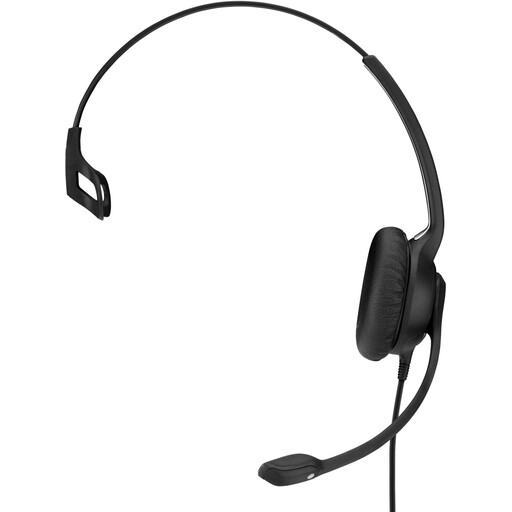
EPOS | SENNHEISER IMPACT SC 230 USB MS II, Black
Suitable for a setup where you can connect a wired USB headset.
The product description presents this as a single-ear headset; check whether this design suits the way you monitor.
View at Joybuy
 No image available
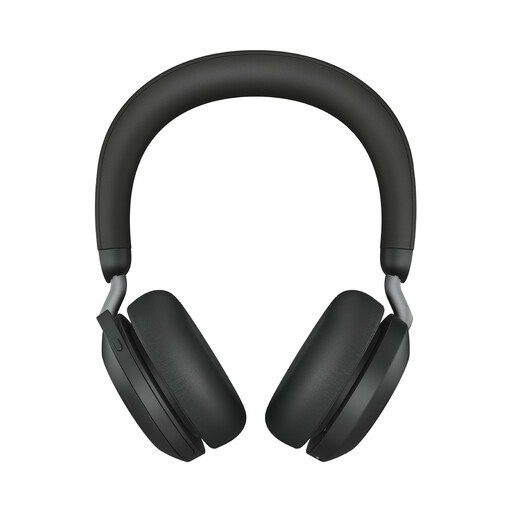
Jabra Evolve2 75, USB-A MS Teams, Black
Worth considering if wireless listening is part of how you’ll use it; the product information lists Bluetooth and a rechargeable battery.
Wireless use requires charging via USB. Also check that the connection is suitable for your recording setup.
View at Joybuy
 No image available
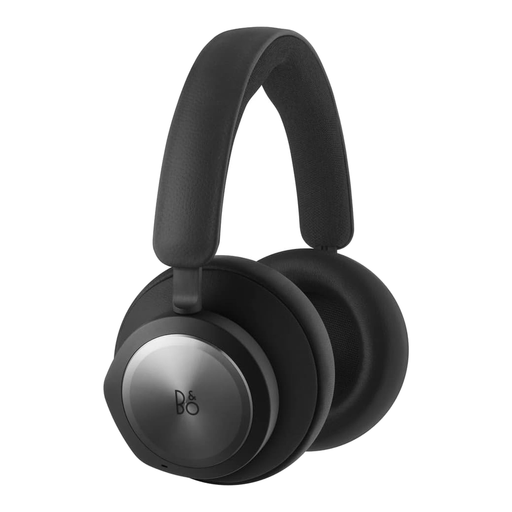
Bang & Olufsen Beocom Portal UC OE, Black Anthracite
The product information lists a 3.5mm audio jack as well as Bluetooth, so you can compare the connection options with your equipment.
The description mentions a battery for Bluetooth use. Before choosing, check whether you can use it with a wired connection and no battery.
View at Joybuy
 No image available
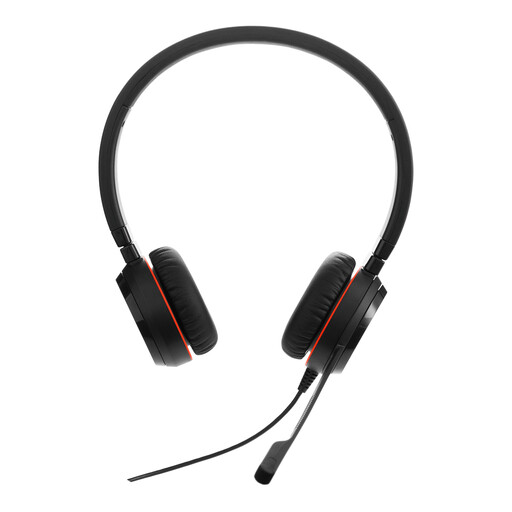
Jabra EVOLVE 30 II MS Stereo
The wired 3.5mm connection may be useful if your equipment has a compatible output; the product information also lists a USB controller.
Check whether the specified frequency range of 150 Hz–7 kHz meets your monitoring needs.
View at Joybuy
Frequently asked questions
Will studio headphones remove delay from my guitar recording?
Not by themselves. With an interface that supports direct monitoring, the incoming signal can go straight to the headphone output; Focusrite describes this route as letting you listen with virtually no delay. Check separately how you’ll hear any software effects while playing.
If I have few power sockets, do I also need an audio interface without a mains adapter?
It depends on your interface and computer. The Scarlett Solo 4th Gen manual describes power via a computer’s USB connection, but that doesn’t automatically apply to other equipment. Wired headphones only mean that the headphones themselves don’t need charging.
How can I listen safely during long recording sessions?
The World Health Organization recommends keeping the volume low and taking regular breaks. How long it’s safe to listen also depends on the actual sound level; the volume setting on your interface isn’t, by itself, a measurement in dB.
What are my rights in the Netherlands if the headphones are faulty?
When you buy as a consumer, you’re entitled to a product that is fit for purpose. The Dutch government states that the seller must provide a solution if a product is faulty, and that there is no fixed statutory warranty period in the Netherlands. For online purchases from a business, you’re also entitled to a 14-day cooling-off period in many cases; check the terms and any exceptions for your specific purchase.


