If you and your flatmate are listening in the same bedroom, start with well-fitting, closed-back over-ear studio headphones: according to RTINGS.com, closed-back designs generally leak less sound than open-back designs. VeiligheidNL points out that a good fit can also help keep background noise out, but comfort and listening volume still matter. Headphones won’t mute the unplugged sound of your guitar.
Who is this choice relevant for?
Listening next to a flatmate
You want to replay a recording while someone else is in the bedroom. Check sound isolation and leakage first, then consider the sound. RTINGS.com explains the difference between open-back and closed-back designs, while VeiligheidNL highlights the importance of a good fit.
Guitarist working out a part
You listen repeatedly to the picking, timing and individual notes. Compare models using a recording you know well, rather than judging by a stated frequency range alone. Audio-Technica describes the features of the ATH-M40x as its manufacturer; that doesn’t determine which sound you’ll enjoy.
Guitarist with an audio interface
You may want to play along with the recording and need the plug and cable to work with your equipment. Direct monitoring is a feature of a compatible interface, not the headphones themselves. Focusrite explains how direct monitoring sends the input signal to the headphone output.
What should you look for when choosing?
Start by asking whether your flatmate will be in the room at the same time. Then compare how useful the sound is, how comfortable the headphones feel and whether they connect to your existing equipment.
| What to consider |
What to look for |
Who is this important for? |
| Sound isolation and leakage |
Check that the closed-back earcups and cushions fit well; also consider the volume you’ll use in a shared room. |
If I’m listening while my flatmate is there, I want to hear the recording without letting unnecessary sound leak out. Around 36% of consumers put their flatmate’s peace and quiet first. |
| Sound for detailed listening |
Compare models using a recording you know well, and treat terms such as neutral or detailed as claims, not proof of an audible benefit. |
If I want to follow the picking and individual notes, how useful the sound is matters most to me. Around 29% of consumers put sound detail first. |
| Comfort during repeated practice |
Consider the space around your ears, headband pressure and how the cushions fit; if possible, try the headphones before a long listening session. |
If I’m working out a solo over several sessions, I want the headphones to stay comfortable. Around 21% of consumers put comfort first. |
| Connection and playing along |
Check the plug and any adapter against the output on your equipment. If you’re playing along, also check how your interface lets you hear the guitar and recording together. |
If I’m playing along with the recording, I want the headphones to connect to my existing setup. Around 14% of consumers prioritise connection and playing along. |
Common pitfalls
-
Assuming every studio model leaks very little sound
An open-back design lets more sound out and blocks less background noise. That can be inconvenient when your flatmate is in the same bedroom.
First, consider whether your flatmate will be there. Save an open-back model for a place or time when sound leakage won’t be a problem.
-
Taking specifications as a guarantee of audible detail
Impedance or frequency range on its own won’t tell you how the headphones sound with your device or how well you’ll be able to work out a solo.
Check the exact model and connection, and listen with a recording of your own if you can. Consider claims about sound separately from the figures on the packaging.
-
Expecting headphones to make your guitar silent
Headphones reduce the volume of the audio you’re playing, not the acoustic sound of a guitar or unplugged strings in the room.
It’s also worth agreeing with your flatmate on when and how you’ll practise your instrument.
Relevant brands and models
Audio-Technica
The wired, closed-back ATH-M40x is worth comparing if you’re looking for detachable cables and swivelling earcups.
- Audio-Technica lists two detachable cables, a closed-back design and an impedance of 35 ohms for the ATH-M40x.
- The manufacturer’s claims about tuning and isolation don’t determine which fit or sound you’ll find comfortable.
AKG
The closed-back K371 is worth considering if you switch between a fixed and portable listening spot and want to compare cable options.
- AKG lists a foldable design, replaceable earpads and three detachable cables for the K371.
- Claims about neutrality and isolation come from the manufacturer; check for yourself that the fit is snug.
beyerdynamic
The wired, closed-back DT 770 PRO in the 80-ohm version is one option to compare for a fixed practice spot.
- beyerdynamic lists a 3.5mm plug and a 6.35mm adapter for this version; the manufacturer also says the earpads are replaceable.
- Check that your device can provide enough output volume. Impedance alone doesn’t prove that the combination will work for you.
Sennheiser
The closed-back HD 480 PRO and open-back HD 560S offer two different listening options.
- Sennheiser describes the HD 480 PRO as a wired, closed-back design with a detachable cable.
- According to Sennheiser, the HD 560S has open-back earcups and an impedance of 120 ohms. An open-back design lets sound out and background noise in.
Sony
The closed-back, foldable MDR-7506 is a useful point of comparison for wired monitoring.
- Sony lists a 40mm driver and a supplied 3.5-to-6.3mm adapter.
- Claims about neutral monitoring on the manufacturer’s US page are manufacturer claims and say nothing about sales conditions in the Netherlands.
Joybuy products for this listening setup
This selection includes headphones and headsets suited to different parts of a listening setup. Check whether each model’s connections and features work with your equipment, and whether its design meets your requirements for sound leakage.
 No image available
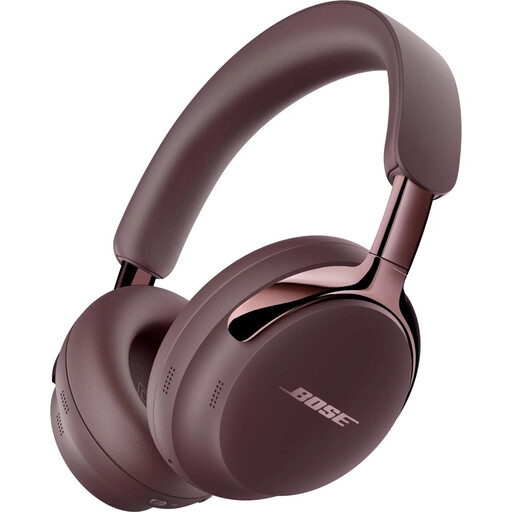
Bose QuietComfort Ultra Headphones (2nd Gen), Cherry Chocolate
Could suit you if you want to listen via a wired connection; the product description lists a detachable cable with USB-C and 3.5mm connections.
Active noise cancellation is listed. That alone doesn’t tell you how much sound will leak out to a flatmate.
View at Joybuy
 No image available
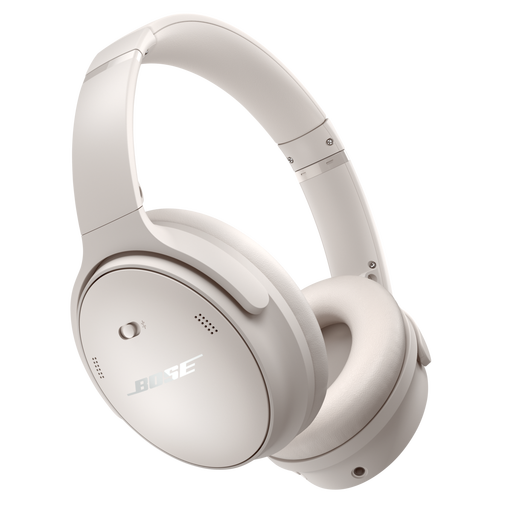
Bose QuietComfort Wireless Bluetooth Headphones, White
Could work for listening over Bluetooth or with the supplied audio cable, if it’s compatible with your equipment.
The product information lists a closed-back over-ear design and active noise cancellation; check the fit and sound leakage before using them in a shared bedroom.
View at Joybuy
 No image available
Sony WH-CH720N Wireless Bluetooth Headphones, Blue
Could suit you if you want to listen wirelessly; the product information lists Bluetooth and a closed-back over-ear design.
Active noise cancellation and a weight of 192 g are listed. Noise cancellation for the listener isn’t a measure of how much sound leaks into the room.
View at Joybuy
 No image available
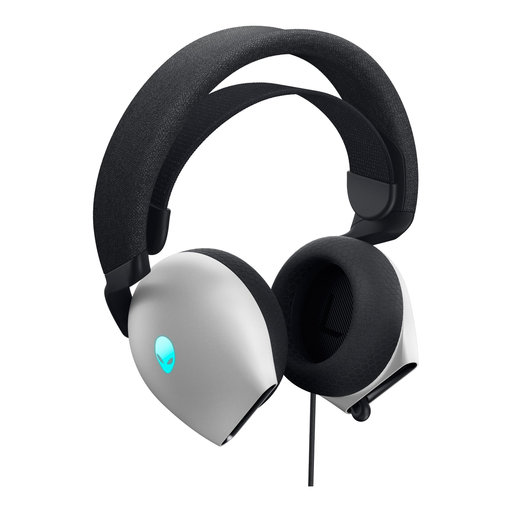
Alienware AW520H Wired Gaming Headset, White
Could suit a wired setup if one of the listed connections matches your device.
The product information lists stereo audio, a 200 cm cable and USB and 3.5mm connections.
View at Joybuy
 No image available
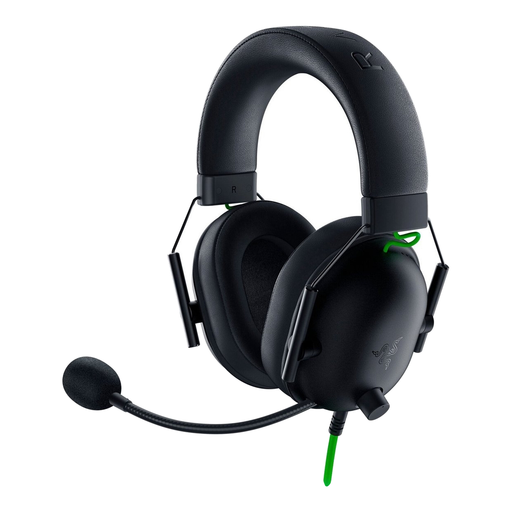
Razer BlackShark V2 X 7.1 Wired Gaming Headset, Black
Could work with a wired listening setup that has a compatible 3.5mm output.
The product information lists a 1.3 m cable and a weight of 240 g. Sound isolation is a product claim, not a measurement of sound leakage in your bedroom.
View at Joybuy
Frequently asked questions
Do I need noise cancellation to avoid disturbing my flatmate?
No. Noise cancellation reduces the sound you hear; to avoid disturbing your flatmate, focus on how well the headphones seal and how much sound leaks at your listening volume. Well-fitting over-ear headphones can help block background noise, but they won’t mute the guitar itself.
How can I hear my electric guitar without noticeable delay?
Use direct monitoring if your audio interface supports it, and check how you can hear the backing track at the same time. Focusrite describes direct monitoring on supported interfaces as a way to send the input signal to the headphone output with virtually no delay; the headphones themselves don’t provide this feature.
How can I listen safely if I keep replaying a solo?
Keep the volume moderate and limit prolonged exposure. The World Health Organization gives 80 dB for up to 40 hours a week as an example of safe listening; this isn’t a setting you can read directly from the volume bar on every player and headphone combination. A good seal can help you avoid turning the volume up to drown out background noise.
Can I return headphones that don’t fit well after buying them online in the Netherlands?
According to the Dutch government, many distance purchases made by consumers from a business come with a 14-day cooling-off period, but this doesn’t apply to every agreement. Before buying, check with the seller which cooling-off period and return conditions apply.
What can I do if the headphones arrive faulty?
The Dutch government explains that if a product is faulty when delivered as part of a consumer purchase in an EU country, you’re entitled to repair or replacement. Any manufacturer’s warranty is separate from this legal protection; contact the seller and check who the seller is.


