
Camper staying near others
You’re listening in a shared space and want to hear the solo without turning up the volume or disturbing those around you unnecessarily.


If you’re listening at a shared campsite, start with a well-fitting pair of closed-back, over-ear headphones. They can help reduce background noise and sound leakage, but they’re no substitute for keeping the volume under control. Then check that the connector and cable length suit your audio source, and that the headphones are comfortable for repeated listening. Specifications alone can’t tell you which sound will help you pick out the guitar parts.
You’re listening in a shared space and want to hear the solo without turning up the volume or disturbing those around you unnecessarily.
You use a phone, laptop or portable amplifier and want to check before you set off that the plug, cable and output are compatible.
You often replay short clips, so fit, comfort and a manageable cable all matter.
Your main consideration depends on what you want to address first when listening back: picking out guitar parts, reducing background noise, connecting to your source or taking your headphones with you comfortably.
| What to consider | What should you check? | Who is this important to? |
|---|---|---|
| Picking out guitar parts | If possible, listen to the same familiar clip on several models at a similar, controlled volume. | If your main aim when replaying a track is to follow individual parts, your own listening impression matters alongside the specifications; around 36% of consumers say sound separation is their main buying concern. |
| Background noise and sound leakage | Look for a closed-back model and check how the ear cushions fit. Don’t turn up the volume to drown out background noise. | If you’re listening among other campers and want to hear the details without disturbing them unnecessarily, a good seal matters; around 29% of consumers put isolation first. |
| Connecting to your audio source | Check your device’s output against the plug, any adapter and the cable length supplied with the exact model. | If you want to avoid finding that your headphones and portable source aren’t compatible, check the connections before you set off; around 21% of consumers make connectivity their top priority. |
| Comfort and portability | If possible, try the headphones on with any glasses you wear, and check how they can be stored and carried. | If you often replay short passages and pack your headphones with your camping gear, fit and storage matter; around 14% of consumers prioritise comfort and portability. |
A stated frequency range doesn’t automatically tell you how you’ll experience the sound balance or individual guitar parts.
Where possible, compare the same familiar clip on different models at a controlled volume.
beyerdynamic offers versions with different impedances; for the DT 770 PRO 32 Ohm, the manufacturer specifies a fixed, straight 1.6 m cable.
Check the full model name, impedance, plug and cable of the version you’re considering.
Well-fitting headphones can reduce the need to turn up the volume. Listening at high volume for long periods can damage your hearing.
Check the fit, listen at a controlled volume and use your audio source’s volume limiter, if available.
According to the Dutch government, an additional warranty is on top of your legal right to a product that meets the required standards; it doesn’t replace it.
Check what any additional warranty covers. If a product is faulty, contact the seller.
The K371 is a closed-back, foldable wired option for anyone who values portability and a choice of cables.
The ATH-M50x combines a closed-back, foldable design with three detachable cables included.
The DT 770 PRO 32 Ohm is the version of the closed-back DT 770 PRO range designed for portable use.
The closed-back HD 280 PRO is a foldable monitoring headphone for anyone who places a high value on isolation.
The MDR-7506 is a wired professional headphone; Sony lists the MDR7506.EU version for the Netherlands.
These product picks are wireless headphones for listening from a Bluetooth source. They aren’t a like-for-like selection of wired studio headphones, so check whether wireless listening suits your practice set-up and your need to pick out guitar details.
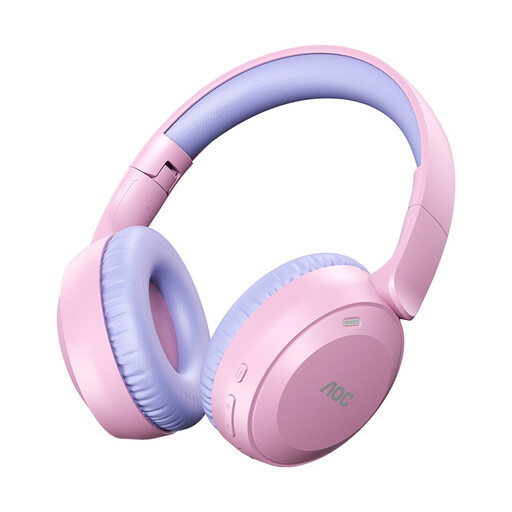 No image available
Foldable over-ear headphones for anyone using a Bluetooth source who wants to take their headphones with them.
The product name lists Bluetooth 6.0, a foldable design and a weight of 182 g.
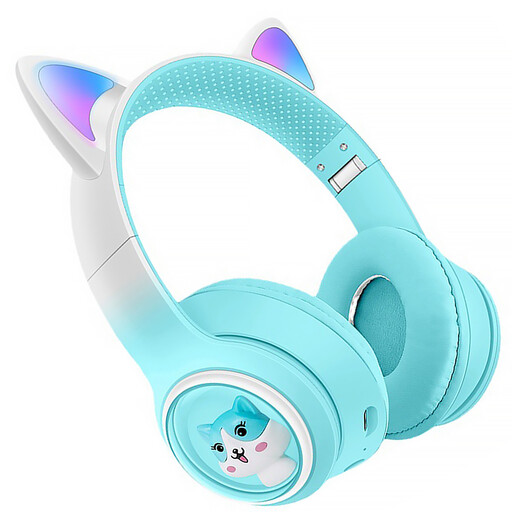 No image available
A wireless option to compare if you listen from a Bluetooth source; the product name also lists a TF card slot.
The product name also mentions RGB LED lighting, a microphone, FM radio, USB-C and a foldable design.
 No image available
Bluetooth headphones to consider if your practice set-up supports wireless listening.
The product name lists Bluetooth and the colour black. Check whether this version suits your needs when working out a guitar solo by ear.
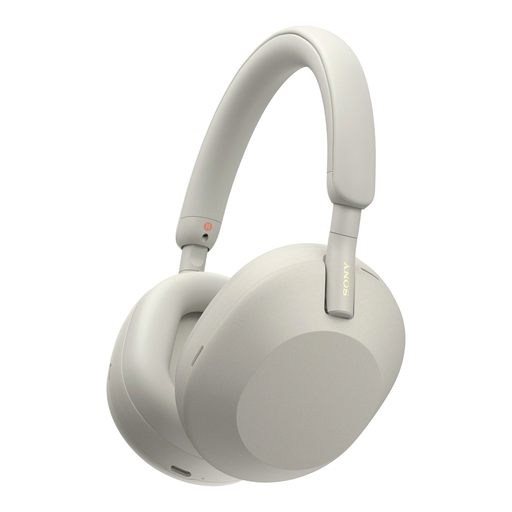 No image available
Wireless headphones to compare if you listen from a Bluetooth source and are looking for noise cancelling.
The product name lists noise cancelling and the colour silver. Check that the wireless connection and sound suit your practice needs.
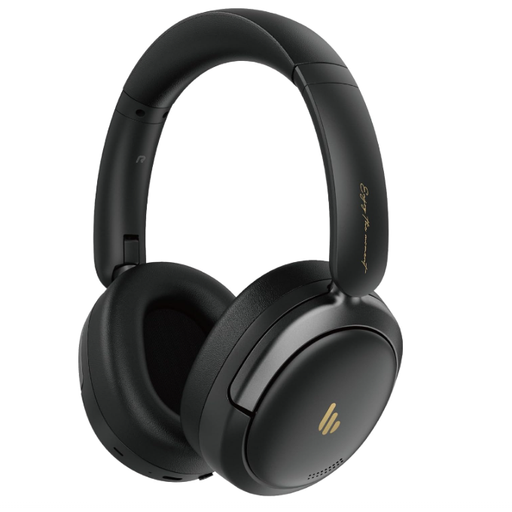 No image available
Foldable over-ear headphones for anyone using a Bluetooth source who wants to take their headphones with them.
The product name lists Bluetooth 5.4, hybrid active noise cancelling and a stated playback time of 45H.
No. A closed-back ear cup that fits well provides passive isolation; active noise cancelling is a separate feature. VeiligheidNL recommends a good fit so you don’t need to turn up the volume to drown out background noise.
Check your device’s audio output and the plug, adapter and cable length supplied with the exact headphones. A listed 3.5mm connection or plug doesn’t prove that every device will work without an adapter.
Start by getting a good fit and keeping the volume under control. VeiligheidNL offers advice on setting a volume limiter on a smartphone; the stated 85 dB isn’t a product specification or a guarantee of the actual sound level with every combination of source and headphones.
Check which parts can be replaced for the exact model. AKG and Audio-Technica list detachable cables for the models reviewed; Sennheiser lists replaceable ear cushions for the HD 280 PRO. This doesn’t in itself tell you whether parts are available from a Dutch seller or how much they cost.
According to the Dutch government, many applicable online consumer purchases from a business generally come with a 14-day cooling-off period. The Netherlands has no fixed statutory warranty period: you’re entitled to a product that meets the required standards, and the seller is your point of contact if something is wrong. This is separate from any additional manufacturer’s warranty.