
Home mixer in a quiet room
If you compare recordings for long periods, open-back, wired headphones are worth considering for critical listening. Measure the loudness of the files separately; the headphones won’t do that for you.


For critical listening in a quiet room, choose open-back, wired studio headphones. Go for a closed-back model if you also record or want to reduce background noise. Wired headphones don’t need their own mains adapter, but your existing output must be able to drive your chosen model properly. Measure the loudness of the audio files separately: headphones won’t automatically make recordings equally loud.
If you compare recordings for long periods, open-back, wired headphones are worth considering for critical listening. Measure the loudness of the files separately; the headphones won’t do that for you.
If you want to use a laptop or audio interface without connecting another powered device, check the output, plug and how easily your chosen combination can be driven.
If you also listen while recording with a microphone, a closed-back model may be a better choice if sound leakage is a concern. The fit also affects how well the headphones seal.
Keep comparing audio files separate from choosing headphones: loudness measurement, connections, sound leakage and maintenance are distinct considerations.
| Consideration | What should you check? | Who is this important to? |
|---|---|---|
| Comparing recordings at the same level | Compare files under the same playback conditions. For broadcast audio normalisation, the European Broadcasting Union (EBU) recommends R 128 measurement of average programme loudness; this is not a general delivery requirement for every recording. | If I want to assess differences between recordings, I need to measure loudness separately and keep playback conditions consistent. Around 36% of consumers put level matching first. |
| Connecting without an extra mains socket | Check your laptop or interface’s headphone output, the plug or adapter, and the specifications for both the output and the headphones. | If I want to listen through my existing device without adding extra powered equipment, I’ll check the connections first. Around 29% of consumers prioritise having space for connections. |
| Isolation while recording | Check whether the model is closed-back and whether the fit provides enough isolation for your needs. | If I’m recording at a shared desk, I want to stop sound from the ear cups interfering with my recording. Around 21% of consumers prioritise isolation while recording. |
| Comfort and maintenance | Check whether the cable and ear pads are replaceable on the exact model, and try the fit if possible. | For long listening sessions, I want a fit that works for me and to know which parts I can replace. Around 14% of consumers prioritise comfort and maintenance. |
A description of the sound doesn’t tell you how much louder one audio file sounds than another.
Measure the files separately and compare them under the same playback conditions. Also assess the headphones in the room and for the purpose you’ve chosen them for.
The usable listening volume also depends on the output you connect the headphones to. Impedance alone doesn’t tell you whether every combination will deliver enough volume.
Check the specifications for your existing output and the exact headphone model before deciding whether you need extra equipment.
Open-back headphones aren’t necessarily the right choice if sound from the ear cups would be unwelcome during a microphone recording.
Choose a closed-back model if leakage is a problem in your recording setup. Don’t make claims about spacious sound the only reason for your choice.
The DT 770 PRO 80 ohm is a closed-back model for monitoring; beyerdynamic describes the open-back DT 900 PRO X as a model for critical listening.
Sennheiser positions the open-back HD 490 PRO for producing, mixing and mastering in a suitable listening room.
The closed-back ATH-M50x is a wired option if you also want to record or prefer a foldable model.
AKG describes the closed-back K371 as a model for studio work and listening on the move.
Neumann describes the open-back NDH 30 as suitable for editing, mixing and mastering.
These Joybuy headphones list features relating to wired listening, background noise or maintenance. On their own, such features don’t prove that a model is suitable as a studio reference; check the connection and intended use.
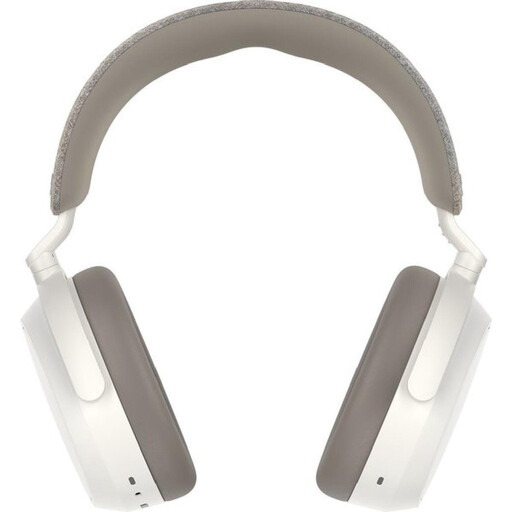 Image unavailable
For listening over a cable without battery power, the product information lists passive use with a 3.5mm audio cable; check that the connection is suitable for your source.
The model name identifies these as wireless over-ear headphones, with 60 hours of battery life and fast charging.
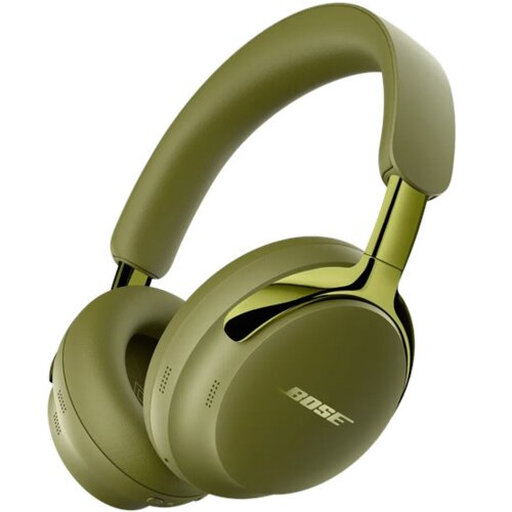 Image unavailable
For wired listening, the product information lists a detachable cable with USB-C and 3.5mm connections; check which connection is suitable for your source.
The model name identifies these as the second generation, in olive green.
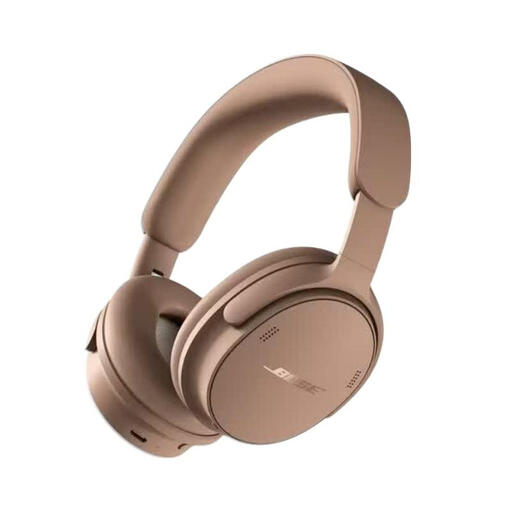 Image unavailable
Wired listening is listed as an option when the battery is flat; check that the connection is suitable for the device you want to listen on.
The model name identifies these as the second generation, in hazelnut taupe.
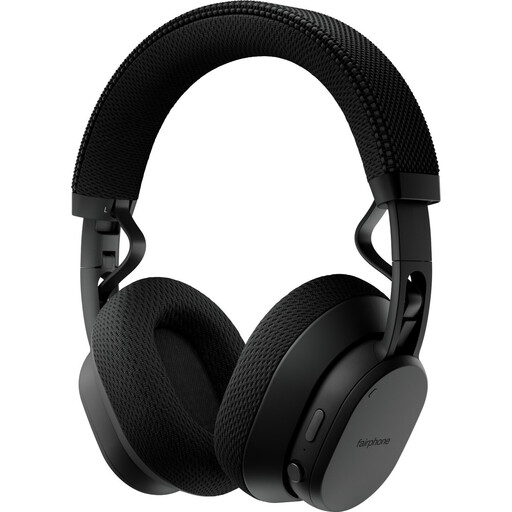 Image unavailable
If replaceable parts are important to you, the product information lists nine replaceable parts, including the battery and ear pads.
The product information lists active noise cancellation.
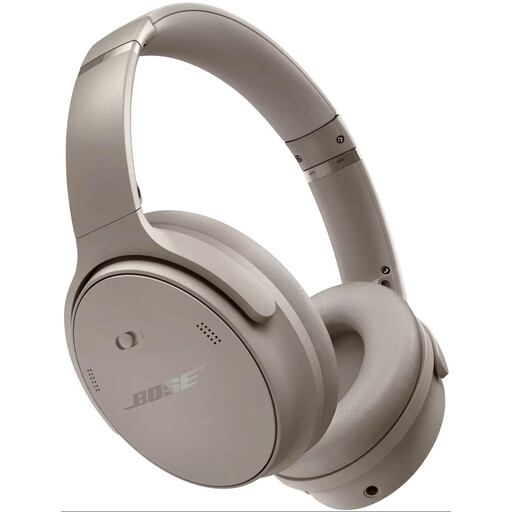 Image unavailable
The product information lists active noise cancellation and a transparency mode; also check that the model and connection are suitable for your studio listening needs.
The product information also mentions a lightweight design for extended wear.
No. Measure the loudness of the audio files separately and keep playback conditions consistent for a fair comparison. The European Broadcasting Union’s EBU R 128 recommends loudness measurement for broadcast audio normalisation; that recommendation isn’t automatically a requirement for your recordings.
Wired, passive headphones don’t need their own mains adapter. However, check that your device has a suitable headphone output and can drive your chosen model properly; an audio interface may itself need power.
A closed-back model is a better choice if sound leakage during recording is a concern. An open-back model may suit critical listening in a quiet room; choose according to your space and when you’ll be using the headphones.
No. Assess the headphones and the output together. When choosing headphones, Sennheiser also highlights the intended use and the audio device you’ll be using, so check the specifications for both rather than relying on impedance alone.
Follow the cleaning instructions in the manual and check that any replacement cables and ear pads are suitable for the exact model. Sennheiser lists two types of ear pad and a detachable cable for the HD 490 PRO; don’t assume they’re interchangeable with parts from other models.