
Mixing in a quiet room
You mainly work on existing tracks at a small desk and want to assess vocals, instrument balance and reverb without using a microphone at the same time.


If you mainly mix in a quiet room, wired open-back headphones are well suited to the task. If you also record vocals or acoustic instruments at the same desk, closed-back headphones are usually more practical because less sound leaks into the microphone, as RTINGS.com explains. Check that the connection and fit work with your own equipment, and listen to a nearly finished mix on other playback systems too: Sonarworks says headphones and speakers provide different spatial cues.
You mainly work on existing tracks at a small desk and want to assess vocals, instrument balance and reverb without using a microphone at the same time.
You also record vocals or acoustic instruments in the same place and want to stop sound from your headphones reaching the microphone.
You switch between editing and listening, so wearing comfort, a manageable cable and replaceable wear parts may all be worth considering.
Choose these if: you mainly mix in a quiet room and don’t have a microphone open while listening.
Bear in mind: open-back earcups leak sound and do little to block out ambient noise, as RTINGS.com points out.
Choose these if: you record vocals or instruments with a microphone at the same desk.
Bear in mind: a closed-back design reduces sound leakage into the microphone, but you should still check the bass, stereo width and reverb on other playback systems. Sonarworks explains that headphones and speakers provide different spatial cues.
| What to consider | What should you check? | Who should consider this? |
|---|---|---|
| Mix detail | Check that the room is quiet, no microphone is open while you listen, and the model is open-back and wired. | If I’m mainly assessing vocal balance and reverb in a quiet room, I want to do so without recording at the same time. Around 31% of consumers prioritise mix detail above all else. |
| Recording isolation | Check that the model is closed-back and fits well; the fit affects how much sound it blocks out. | If I’m recording vocals or acoustic instruments at the same desk, I want as little headphone sound as possible to reach the microphone. Around 31% of consumers put recording isolation first. |
| Comfort and maintenance | Consider the fit, clamping force and warmth, and check whether the ear pads can be replaced. | For long sessions, I want headphones that remain comfortable and have replaceable wear parts. Around 23% of consumers prioritise wearing comfort and maintenance. |
| Connection and cable | Compare the plug and cable length with your audio output and the space available on your desk. | If I’m using my existing interface, I want a compatible connection and a cable route that doesn’t get in the way of my workspace. Around 15% of consumers put connection and cable management at the top of their list. |
An open-back design can leak sound into the microphone and offers little isolation from ambient noise.
First, decide whether you’ll record overdubs at the same desk. Choose based on the task where sound leakage is hardest to avoid.
A specification alone won’t tell you how the bass, stereo width and reverb will sound on other playback systems.
Compare your mix with familiar reference recordings and listen to a rough mix on another system too.
The beyerdynamic DT 770 PRO comes in versions with different impedances; the plug and cable length can also vary by model.
Check the full model name and version, and measure in advance to see what cable length will work best at your desk.
The open-back HD 490 PRO is designed for production and mixing; the open-back HD 560S is a separate range for analytical listening.
The open-back DT 900 PRO X is intended for critical listening and mixing; the closed-back DT 770 PRO is another option for monitoring and recording.
According to AKG, the closed-back K371 has a foldable design and is intended for recording and mobile monitoring.
The wired ATH-M50x is a closed-back option if you want to combine tracking and listening in one setup.
The closed-back MDR-7506 is intended for monitoring during recording and listening tasks.
These headphones and headsets are relevant to the topic. For each model, check that the connection, wired functionality (if applicable) and fit are right for your audio interface and recording setup.
 Image unavailable
If you’re considering them for mixing, check that the connection and listening mode you want to use work with your audio interface.
The product name describes over-ear Bluetooth headphones with active noise cancellation, 60-hour battery life, fast charging and four microphones.
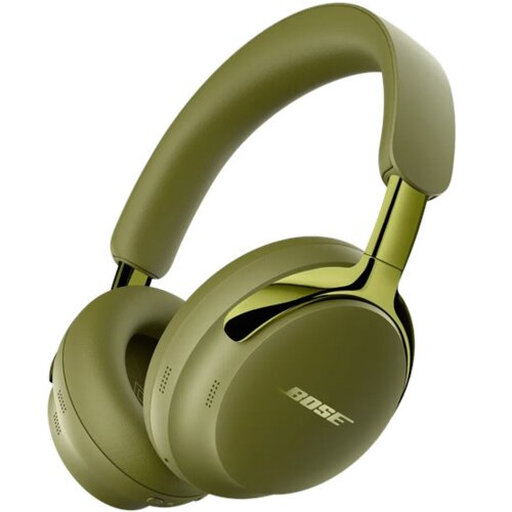 Image unavailable
If you’re considering this model for mixing, check that the connection and listening mode work with your audio interface.
The product name identifies the second generation in olive green.
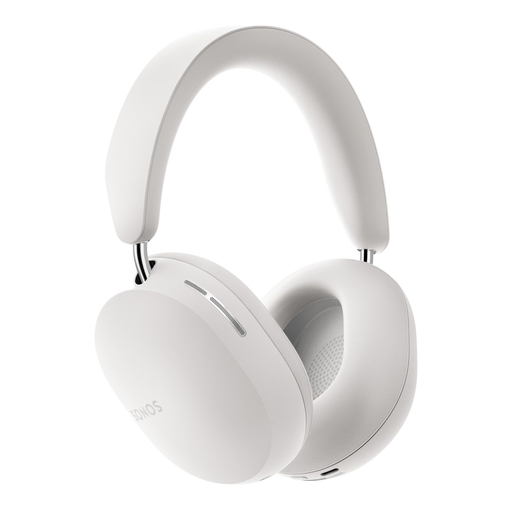 Image unavailable
Before using them for mixing, check that the connection you want to use works with your interface and that the model suits your recording setup.
The product name describes an over-ear Bluetooth headset in white.
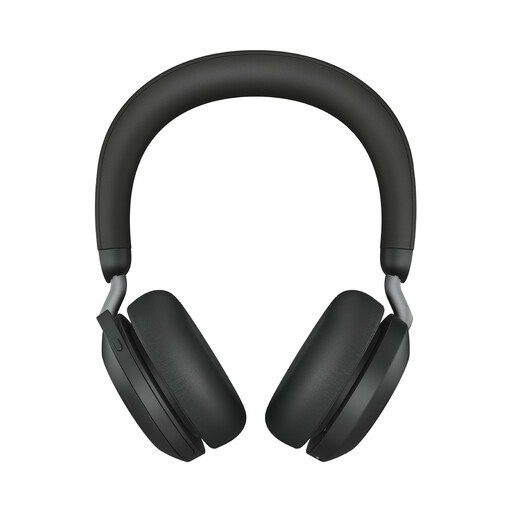 Image unavailable
Compare the USB-A connection with your audio interface before choosing this model for a mixing setup.
The product name specifies USB-A and MS Teams.
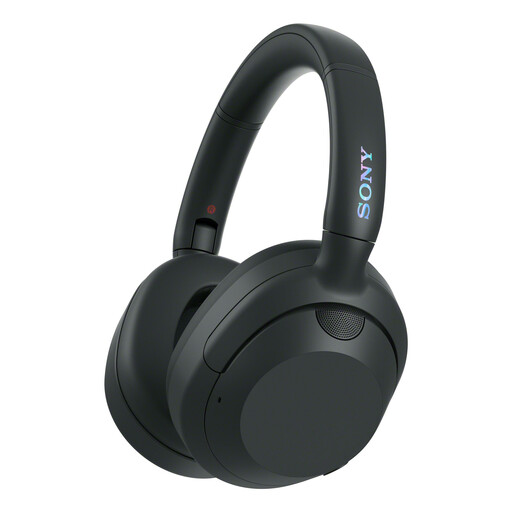 Image unavailable
Check that this model’s connection works with your audio interface and the way you want to use the headphones.
The product name describes over-ear headphones with noise cancellation.
If you’re using a microphone in the same room, closed-back headphones are usually more practical, as open-back models can leak sound into a quiet recording. Even with closed-back headphones, don’t listen any louder than necessary.
No. According to Sennheiser, a separate amplifier isn’t essential. The HD 560S has an impedance of 120 ohms, so check whether your own output provides enough volume for your needs.
Listen to the mix on other playback systems and assess the bass, stereo width and reverb separately. Sonarworks explains that headphones and speakers provide different spatial cues.
ACM ConsuWijzer says that online purchases generally come with a statutory cooling-off period of up to 14 days after delivery, with exceptions for certain products. Your statutory guarantee is separate from any manufacturer’s warranty: if a product is faulty under the applicable conditions, the retailer is responsible for putting things right. Check the returns policy for the specific item before you buy.
Keep the volume low and take breaks. The World Health Organization gives 80 dB for up to 40 hours a week as an example of safe listening; at higher levels, the safe listening time decreases.