For checking mixes on a long-haul flight, closed-back, wired studio headphones are an obvious choice if they work with your playback source and remain comfortable to wear. Check the fit and cable before you travel. No stated isolation rating or manufacturer claim proves that subtle mix differences will be reliably audible over cabin noise.
Who is this choice for?
Producer checking mix changes
Wants to listen for differences in an existing mix while travelling and is looking for closed-back headphones that work with their playback source. Use the listening check as an interim assessment, and ideally revisit final mix decisions in a familiar, quiet environment.
Traveller looking to reduce cabin noise
Prioritises a good seal around the ears and doesn’t want to keep turning up the volume to hear details. A model’s stated noise reduction is no guarantee of the same result for every fit or aircraft seat.
Long-session listener with limited luggage space
Wants to check the fit, pressure on the head, foldability and cable before travelling. A long listening session in an aircraft seat brings different practical considerations from a short studio session.
What should you look for?
Start by deciding whether you mainly need closed-back headphones for use in the cabin, or whether you’re also considering an open-back model for listening in a quiet room.
| What to consider |
What should you check? |
Who is this most important for? |
| Hearing differences in a mix |
Compare familiar mix excerpts on your own source and check whether the exact model is closed-back or open-back. |
If I want to compare small changes in an existing mix, I want to use my own playback source and check important decisions later in a quiet room. Around 36% of consumers prioritise mix detail. |
| Reducing cabin noise |
Check that the ear pads seal well; don’t treat a stated noise reduction rating as a guarantee for every user or seat. |
When cabin noise masks details, I want a good seal without having to keep turning up the volume. Around 29% of consumers prioritise reducing cabin noise. |
| Comfort during long sessions |
Try the headphones with any glasses you wear; check for pressure points, space around your ears and how the model can be stored. |
I want the headphones to stay comfortable even after wearing them for a long time, without taking up unnecessary luggage space. Around 21% of consumers prioritise comfort and storage. |
| Connection and freedom to move |
Check the output on your laptop, interface or phone, whether you need an adapter, and which cable is included. If using a wireless connection, follow the crew’s instructions. |
If I’m bringing my own equipment, I want a suitable connection and as little hassle as possible with a cable in my seat. Around 14% of consumers prioritise connectivity and freedom of movement. |
Common pitfalls
-
Assuming a stated maximum noise reduction guarantees cabin isolation
Sennheiser lists passive noise attenuation of up to 32 dB for the HD 280 PRO. This is a maximum figure, not a result guaranteed for every fit or flight situation.
Try the headphones before you travel and check that the ear pads seal well. Don’t turn up the volume to drown out cabin noise, and stay alert for crew announcements.
-
Choosing an open-back model based on stereo imaging alone
beyerdynamic describes the open-back DT 900 PRO X as offering a wider stereo image, and the closed-back DT 700 PRO X as providing greater sound isolation. This comparison applies to these models; open-back headphones aren’t designed to block out cabin noise.
Consider how you’ll use the headphones during the flight, and think about an open-back model mainly if you’ll also assess your mix in a quiet room.
-
Leaving the cable and wear parts until after you buy
Cable length, plug type and the cables included vary by model. A cable that doesn’t suit your playback source may require an adapter.
Before buying, check the connection and included cable for the exact version. If necessary, ask which replacement cables or ear pads are available for that model.
Brands to consider for this choice
beyerdynamic
Worth comparing if you’re looking for closed-back, wired studio headphones, or an open-back model for listening in a quiet environment.
- According to beyerdynamic, the closed-back DT 700 PRO X has a detachable cable and a nominal impedance of 48 ohms.
- The DT 770 PRO 80 Ohm is a separate version; features of the PRO X don’t automatically apply to that model.
Audio-Technica
The ATH-M50x is a closed-back, foldable wired option; the ATH-M50xBT2 adds wireless connectivity.
- Audio-Technica lists three detachable cables for the ATH-M50x and an optional cable for the ATH-M50xBT2.
- The ATH-M50xBT2 has a stated battery life of up to 50 hours. The brand’s description of its relationship to the ATH-M50x doesn’t prove that both models perform equally well for critical mix checks.
Sennheiser
The HD 280 PRO is a closed-back, foldable wired option if passive isolation is a priority.
- Sennheiser lists passive noise attenuation of up to 32 dB and replaceable ear pads for the HD 280 PRO.
- The stated maximum noise reduction doesn’t guarantee the same result during a flight; personal fit still matters.
Sony
The MDR-7506 is a wired option to consider if compact storage is important.
- Sony describes the MDR-7506 as foldable and lists a carrying pouch.
- Sony’s description of comfort during long listening sessions isn’t a personal fit test; try the model yourself if possible.
Devine
The PRO 4000 is a closed-back, wired option to include when comparing studio headphones.
- The listed specifications for this version include a nominal impedance of 32 ohms and cables measuring 1.6 m and 3.0 m.
- These specifications don’t show that the model makes small mix differences easier to hear over cabin noise than other options.
Headphones at Joybuy
This selection at Joybuy includes wireless over-ear headphones with noise cancelling, as well as models whose product information also mentions wired listening. Check that the connection and listening mode for each model suit your playback source and how you plan to use it on board.
 No image available
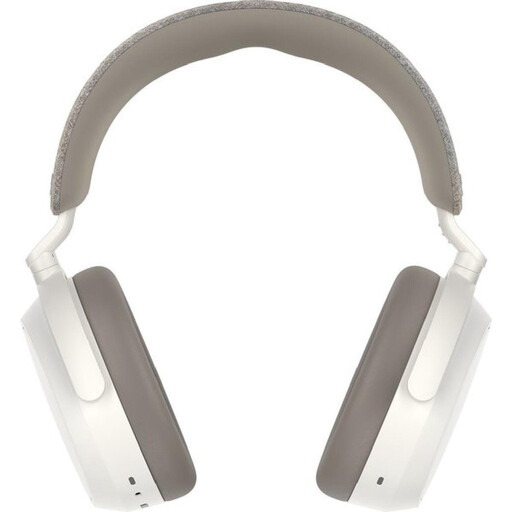
Sennheiser MOMENTUM 4 Wireless – White
An option for anyone who wants noise cancelling while travelling, with the option to listen via a wired connection too.
The product information lists an included 3.5mm cable for wired, passive listening, as well as adaptive noise cancelling. The stated battery life is up to 60 hours.
View at Joybuy
 No image available
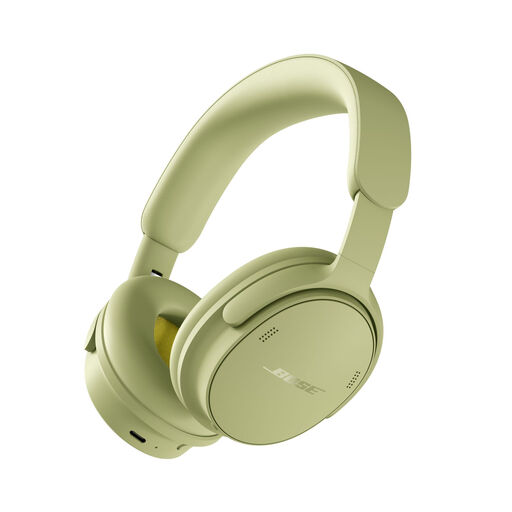
Bose QuietComfort Headphones (2nd Gen) – Eucalyptus Green
An option for anyone who wants noise cancelling and to listen from a wired source via USB.
The product information lists Quiet Mode with noise cancelling and lossless audio via USB. The stated battery life is up to 24 hours with noise cancelling switched on.
View at Joybuy
 No image available
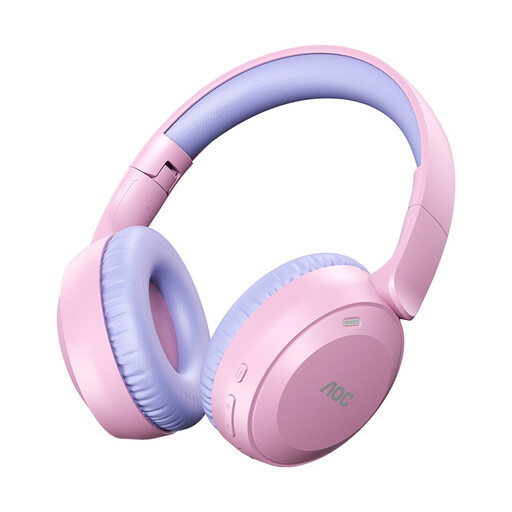
AOC ACH2611 Wireless Headphones, Bluetooth 6.0
A wireless over-ear option to consider if foldability and portability matter to you.
The product information lists Bluetooth 6.0, a foldable design, a weight of 182 g and battery life of up to 75 hours.
View at Joybuy
 No image available
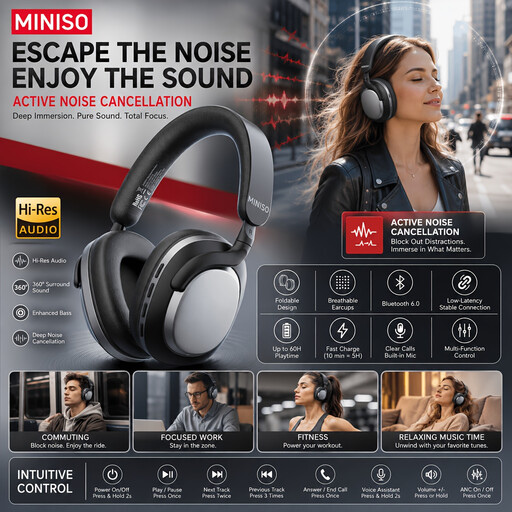
MINISO MG210 Wireless Noise-Cancelling Over-Ear Headphones – Black
A wireless over-ear option for anyone considering noise cancelling while travelling.
The product information lists noise cancelling and a stated battery life of up to 24 hours. The description also mentions soft ear pads; check for yourself that the fit is comfortable.
View at Joybuy
 No image available
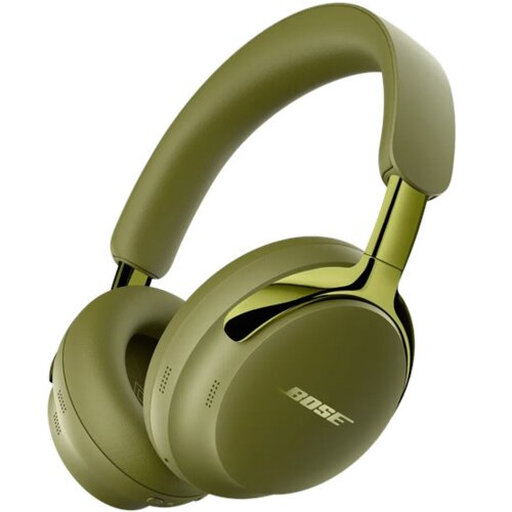
Bose QuietComfort Ultra Headphones (2nd Gen) – Olive Green
An option for anyone who wants to combine noise cancelling with the ability to connect via a cable.
The product information lists Bluetooth 5.4, active noise cancelling and a detachable cable with USB-C and 3.5mm connections.
View at Joybuy
Frequently asked questions
Are open-back studio headphones suitable for checking mixes on a flight?
If cabin noise interferes with your assessment, closed-back headphones are the more obvious choice. beyerdynamic describes the DT 700 PRO X as offering greater sound isolation and the open-back DT 900 PRO X as having a wider stereo image. This comparison applies to these models, not all headphones.
How can I avoid continually turning up the volume in the cabin?
Don’t try to drown out background noise by continually increasing the volume, and check that your headphones fit well. The World Health Organization gives an average of 80 dB for up to 40 hours a week as an example; at higher sound levels, the safe listening time is shorter.
Can I use my headphones or Bluetooth device throughout the flight?
Not without checking first: according to the European Union Aviation Safety Agency, the airline decides which portable electronic devices may be used at each stage of a flight, and the crew can restrict their use. Headphones may make safety announcements harder to hear, so always follow the crew’s instructions.
Where should I pack wireless headphones and a spare battery?
The European Union Aviation Safety Agency recommends keeping devices with lithium batteries in your hand luggage. According to EASA, spare batteries and power banks must be carried in hand luggage and protected against short circuits, not packed in checked baggage. Check your airline’s requirements too.
Who should I contact if my headphones develop a fault after I buy them in the Netherlands?
For a consumer purchase, contact the seller if the product doesn’t meet the terms of the agreement; a manufacturer’s warranty doesn’t replace your statutory rights. According to the Dutch government, the Netherlands has no fixed general statutory guarantee period: what you can expect depends, among other things, on the product, its price and the information provided at the time of sale.


