
Film score mixers working in a quiet room
If you want to assess instruments and stereo positioning critically, consider open-back headphones when isolation isn't your main concern.


If you mix in a quiet room, open-back wired studio headphones are a sensible choice for critical listening. Just check that your audio interface can drive the model you choose. If you can hear traffic or also record with a microphone, a closed-back model is more practical because it offers isolation. beyerdynamic describes the open-back DT 900 PRO X as suitable for critical listening and the closed-back DT 700 PRO X for recording. This is not an independent measurement of which headphones reproduce your mix most accurately.
If you want to assess instruments and stereo positioning critically, consider open-back headphones when isolation isn't your main concern.
If you work by a window where outside noise gets in, or record with a microphone during the same session, a closed-back design may suit you better.
If you work for long stretches, it's worth considering how well the headphones fit you, as well as how easy the ear pads are to maintain or replace.
A bright window doesn't tell you anything about background noise. Listen where and when you actually mix, then decide whether you need isolation.
| What to consider | What to look for | Who should consider this? |
|---|---|---|
| Instrument balance and stereo positioning | Check whether the model is open-back and designed for mixing; also compare your final mix on another playback system. | If I'm in a quiet room and want to assess instruments and their position in the stereo mix, this comes first. Around 36% of consumers give mix assessment their highest priority. |
| Isolation and sound leakage | Work out whether you can actually hear outside noise or whether you're recording with a microphone, then check the closed-back design and fit. | If I can hear traffic or am recording at the same time, I want to reduce outside noise and potential sound leakage. For around 29% of consumers, isolation or recording is their top priority when choosing. |
| Fit and maintenance | If possible, try the headphones with your usual glasses on, and check whether suitable replacement ear pads are available. Avoid storing them in direct sunlight or heat for long periods. | For long sessions, I want a fit that works for me and to know how to care for the ear pads. Around 21% of consumers put comfort and maintenance first. |
| Connection and power | Check your interface's output, the plug and any adapter, and whether the combination provides a usable listening level. Impedance alone doesn't tell you how well headphones will sound. | If my interface needs to drive the headphones, I want to know in advance whether the connection and volume will work in practice. For around 14% of consumers, compatibility with the audio source is their top priority. |
A bright window and a quiet workspace aren't the same thing. Audible background noise can make an open-back design less suitable for your session.
Check noise levels where and when you actually mix, then choose between open-back and closed-back headphones.
A closed-back design offers isolation, but that alone doesn't prove that it reproduces a mix more accurately.
Check what the exact model is designed for, and listen to your final mix on a second system too.
A single specification doesn't guarantee that your interface can drive the headphones properly or that the volume will be right for you.
Check your interface's output, plug and any adapter, then try the listening volume with the source you plan to use.
Audio-Technica warns that UV light and heat can shorten the lifespan of ear pads and other wear-and-tear materials.
Keep your headphones out of direct sunlight for extended periods, and check before buying whether suitable replacement pads are available. According to Audio-Technica, if the pads get wet, blot them dry and leave them to dry in the shade.
The DT 900 PRO X and DT 700 PRO X offer open-back and closed-back designs respectively, for different working conditions.
According to Sennheiser, the open-back HD 490 PRO is designed for mixing and mastering and comes with two types of ear pad.
Sony describes the closed-back MDR-M1 and open-back MDR-MV1 as models for different listening conditions.
The ATH-R70x is an open-back reference headphone for critical listening.
The selection below includes general headphones and headsets, not comparable studio headphones for critical mix assessment. So check carefully that the connection and features suit the way you work.
 No image available
An option to consider if you want active noise cancellation as well as the option to listen over a wired connection.
Bluetooth; supplied 3.5 mm audio cable; adaptive active noise cancellation; EQ settings via the app; 60-hour battery life.
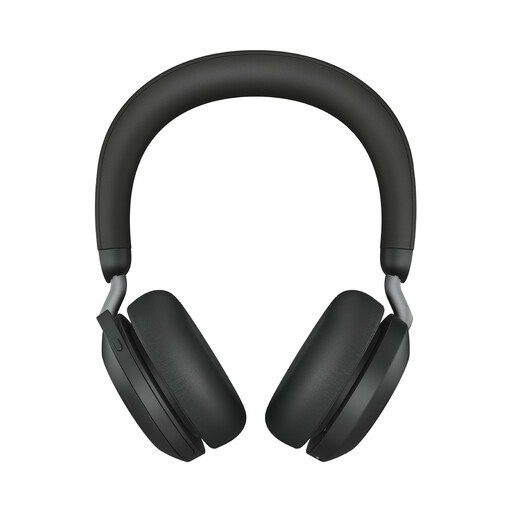 No image available
A headset to consider if you're looking for something that handles voice calls and meetings as well as listening.
USB-A; Bluetooth; active noise cancellation; connects to two devices.
Check that the headset connects to your interface and is suitable for assessing stereo positioning.
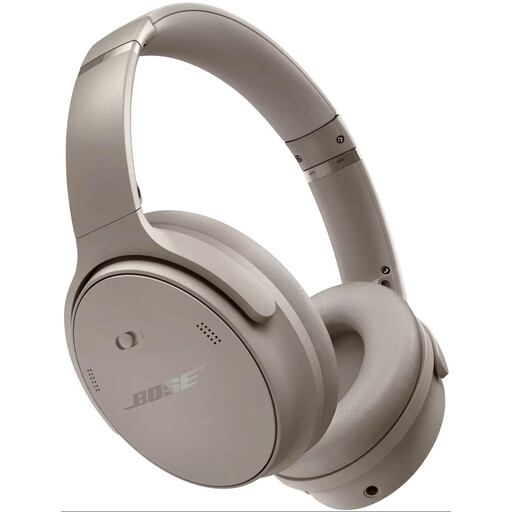 No image available
An option if you want active noise cancellation; check separately whether the headphones are suitable for critical mixing.
Bluetooth; active noise cancellation; transparency mode; noise cancellation and EQ controls via the app.
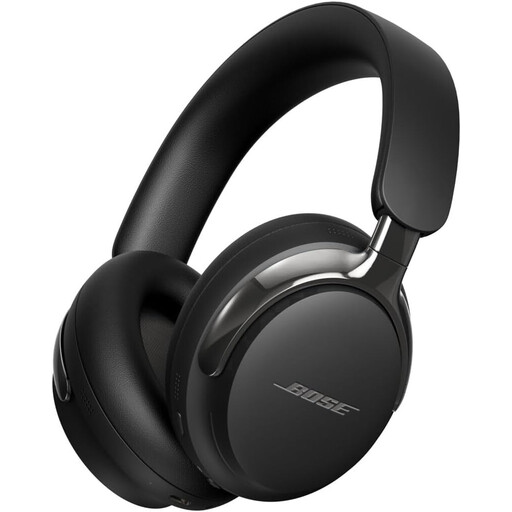 No image available
An option if active noise cancellation and a detachable cable matter to you; check how they work with your audio source.
Bluetooth 5.4; active noise cancellation; detachable cable.
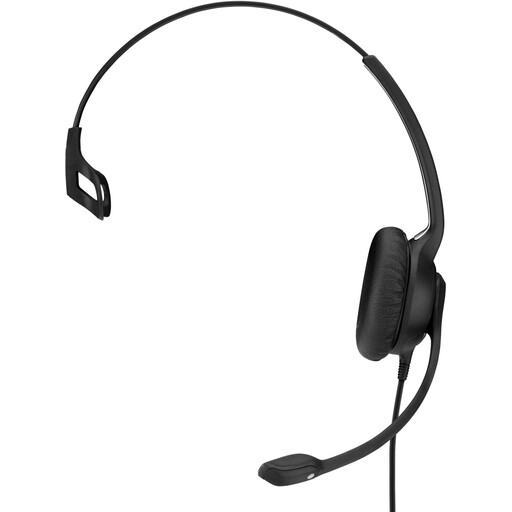 No image available
This wired headset isn't suitable for assessing stereo positioning because it has a single-ear design.
USB connection; 2.9-metre cable.
Not always. An open-back model may suit critical mixing in a quiet room; if there's distracting background noise or you're recording with a microphone, a closed-back design may be more practical. Manufacturers' descriptions of what their products are designed for don't prove which model will deliver the best mix in your workspace.
Compare your interface's output with the plug and any adapter, and check that the combination gives you a usable listening level. beyerdynamic lists an impedance of 48 ohms for the DT 700 PRO X and DT 900 PRO X; Sennheiser lists 130 ohms for the HD 490 PRO. These figures are no substitute for checking with your own equipment.
Don't leave your headphones in direct sunlight or heat for long periods. Audio-Technica recommends blotting wet pads dry and leaving them to dry in the shade; also check the care instructions and whether suitable replacement pads are available for the model you choose.
For most online purchases from a business, you generally have a 14-day cooling-off period, with some exceptions. The Dutch government's website also makes clear that there is no fixed statutory warranty period in the Netherlands; if a product is faulty, you can assert your statutory rights with the seller.