
Dialogue and ambience mixer
You’re working in a quiet room, balancing and placing voices, music and spatial effects. You want a useful headphone reference and plan to check your mix on other playback systems too.


If you’re mixing in a quiet room without an open microphone, compare open-back, wired studio headphones. If you’re recording at the same time or want to limit sound leakage, compare closed-back models too. RTINGS describes open-back models as suitable for comparison when mixing, with the trade-off that they leak sound and offer little isolation. Also check the placement of dialogue, music and ambience on speakers or a second playback system: Sonarworks explains that headphones and speakers provide different spatial cues.
You’re working in a quiet room, balancing and placing voices, music and spatial effects. You want a useful headphone reference and plan to check your mix on other playback systems too.
You mix and, for example, record voices with an open microphone. In that case, you’ll also need to consider how much sound from the headphones might leak into the recording.
You wear headphones for extended periods and want to consider fit, cable routing and replaceable parts alongside sound quality.
A good fit if: you mainly mix in a quiet room and don’t mind sound leaking out.
Bear in mind: open-back models offer little isolation, so check your mix on another playback system too.
A good fit if: you also record while mixing, or want to reduce sound leakage and background noise.
Bear in mind: check spatial placement on another system too. beyerdynamic describes the DT 700 PRO X as offering more isolation and a more compact stereo image than the open-back DT 900 PRO X.
A good fit if: you want to compare a semi-open design and your audio output is compatible with the specific model.
Bear in mind: the term ‘semi-open’ doesn’t guarantee a particular level of isolation. Check the connection and the listening volume you can achieve too.
| What to consider | What to look for | Who is this important to? |
|---|---|---|
| Tonal balance and placement | Compare the specific model with familiar source material; don’t base your choice on the stated frequency range alone. | When I position dialogue, music and effects, I want to judge how they balance against one another. Around 29% of consumers put tonal balance and stereo placement first. |
| Checking on speakers | Listen on speakers or a second available system too; don’t treat virtual spatial audio as proof of how it will sound in a cinema. | For a soundtrack that needs to work beyond headphones, I want to check dialogue and ambience on another system. Around 23% of consumers put translation to speakers first. |
| Isolation when recording | Consider whether a microphone will be live while you’re using the headphones, and compare the seal of closed-back models on your own head. | When I record with an open microphone, I want to prevent sound from my headphones getting into the recording. Around 18% of consumers put recording isolation first. |
| Comfort | Consider the fit, clamping force and earpads; if possible, check the fit while wearing your usual glasses. | During long editing sessions, I want a fit that stays comfortable for me and a cable route that doesn’t get in the way. Around 18% of consumers put comfort first. |
| Connection and maintenance | Check the plug, any adapter and compatibility with your own interface; consider impedance alongside sensitivity. | If I want to connect the headphones to my existing equipment, I also check the cable and replaceable parts for the exact model. Around 12% of consumers put connection and maintenance first. |
A stated frequency range doesn’t, by itself, tell you how useful the sound reproduction is for audio work. Sonarworks emphasises that you shouldn’t consider this figure in isolation.
Compare the specific model with familiar source material and check important mix decisions on another playback system.
If sound leaks into the recording, you may need to record it again.
The design label alone doesn’t tell you how much isolation a model offers or how it will sound with your equipment. The beyerdynamic DT 880 PRO is specified as a 250-ohm model.
Check sound leakage, fit and connection for each model, and assess the listening volume you can achieve with your own interface.
The DT 900 PRO X, DT 700 PRO X and DT 880 PRO give you open-back, closed-back and semi-open models to compare side by side.
The open-back HD 490 PRO is worth comparing if you want to combine mixing and long sessions with interchangeable earpads.
The open-back MDR-MV1 is worth comparing if you use a workflow for spatial production or monitoring as well as stereo.
The open-back ATH-R70x is worth comparing if a low stated weight and detachable cable matter to you.
Neumann says the open-back NDH 30 is designed for editing, mixing and mastering, making it relevant when comparing open-back reference models.
This selection of Joybuy products includes headphones for listening and use in a workspace. Features such as noise cancellation or spatial audio don’t, by themselves, prove that a model is suitable as a mixing reference. Check your mix on speakers or a second playback system too.
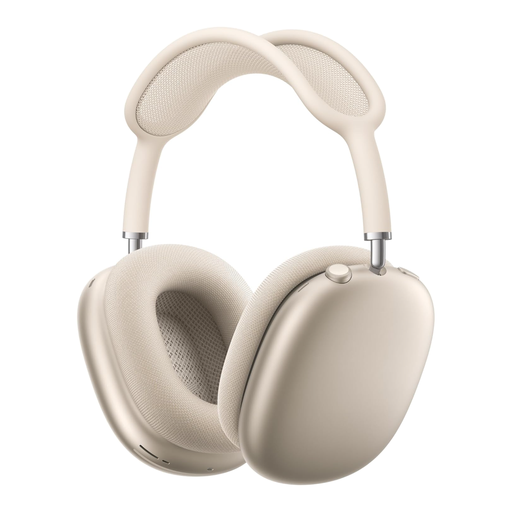 No image available
For anyone looking for over-ear headphones with spatial audio features. Check your mixing decisions on another playback system too.
The product description mentions Personalised Spatial Audio with dynamic head tracking and active noise cancellation.
 No image available
For anyone who wants to combine wired listening with everyday listening features. Check your mix on another system too.
The product description lists active adaptive noise cancellation, an included 3.5mm audio cable and up to 60 hours of playback time.
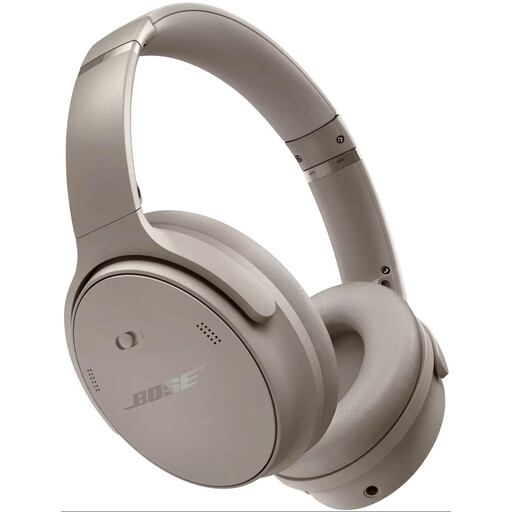 No image available
For anyone who wants to reduce background noise while listening. Noise cancellation alone doesn’t indicate that a model is suitable as a studio reference.
The product description lists Bluetooth and active noise cancellation.
 No image available
For anyone looking for headphones with wired connection options and active noise cancellation. Check your mix on a second system too.
The product description lists a detachable cable with USB-C and 3.5mm connections, as well as Bluetooth listening.
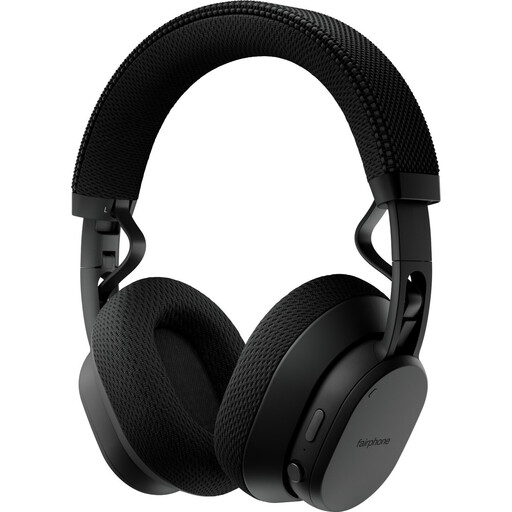 No image available
For anyone who values replaceable parts for use and maintenance. The closed-back design is a different choice from open-back mixing headphones.
The product description lists active noise cancellation and nine replaceable parts, including the battery and earpads.
Use headphones to make mixing decisions, but check the centre image, stereo width and ambience on speakers or a second playback system too. Sonarworks explains that headphones and speakers provide different spatial cues; a model marketed for spatial audio work doesn’t automatically remove that difference.
You can’t tell from the 250-ohm figure alone. Check the sensitivity of the specific model too, and try the listening volume you can achieve with your own interface. beyerdynamic specifies the DT 880 PRO as a 250-ohm model.
Before connecting, check the plug and any adapter, and route the cable so it doesn’t get in the way. Check whether the cable and earpads are replaceable for the exact model; Sennheiser lists interchangeable earpads and a detachable cable for the HD 490 PRO.
Keep the volume down and take breaks. The World Health Organization explains that risk depends on both sound level and duration of exposure. Its example of 80 dB for up to 40 hours per week is health guidance, not a legal buying threshold or a guaranteed safe personal listening level.