
Editors working with existing recordings
You listen to rehearsal recordings repeatedly in a quiet study and want to assess the details without prioritising isolation. An open-back model may be worth considering if sound leakage isn’t a concern.


If you mainly work in a quiet room editing existing rehearsal recordings and sound leakage isn’t a concern, start by comparing open-back headphones for critical listening. If you also record with a microphone or want to disturb others less, a closed-back design may suit your needs better. Check the fit, cable and connection with your own equipment too.
You listen to rehearsal recordings repeatedly in a quiet study and want to assess the details without prioritising isolation. An open-back model may be worth considering if sound leakage isn’t a concern.
You use one pair of headphones for editing and microphone recording. A closed-back design is worth comparing in this case, as beyerdynamic and Audio-Technica describe their models as suitable for recording and monitoring.
You work for extended periods and pay attention to the over-ear fit and a practical cable. Manufacturers describe various features, but only trying a model on will show how it fits you.
Choose this when: you mainly assess existing recordings in a quiet room and sound leakage isn’t a problem.
Bear in mind: this design is less suitable if you need isolation or work close to a live microphone.
Choose this when: you also monitor while recording or need more isolation in your working environment.
Bear in mind: fit and sound leakage vary by model and wearer; the ‘studio’ label doesn’t remove the need to check.
Choose this when: you want to include a semi-open alternative in your comparison and full isolation isn’t essential.
Bear in mind: ‘semi-open’ doesn’t automatically mean the same level of isolation as a closed-back model; check for sound leakage in your own setup.
| What to consider | What should you check? | Who is this important for? |
|---|---|---|
| Assessing detail | Compare the same familiar recording on your own playback setup and decide whether sound leakage in the room is acceptable. | If I edit existing recordings in a quiet space, I want to assess differences without making isolation my first priority. Around 36% of consumers prioritise checking detail. |
| Isolation | Check how the ear cushions fit and assess sound leakage in your recording or working environment; beyerdynamic and Audio-Technica describe closed-back models for studio use. | If I also use the same headphones for microphone recording or in a shared space, isolation matters more. For around 29% of consumers, this is their main concern. |
| Fit | Assess the pressure, position of the ear cushions and freedom of movement during a longer listening session. | For long editing sessions, I want my headphones to stay comfortable, not just look suitable for my work on paper. Around 21% of consumers give fit top priority. |
| Connection and cable | Check your device’s output, the plug or adaptor you need, cable length and the cable options for the exact model. | If I want to use my existing interface or computer, the connection needs to work practically with my setup. Around 14% of consumers start with the connection, cable or maintenance. |
A quiet room makes an open-back model worth considering, but isolation may matter more when recording with a microphone or when others are nearby.
Choose based on how you’ll actually use the headphones and how much sound leakage is acceptable in your space. Only then compare models.
AKG describes the K240 Studio as semi-open. That doesn’t mean it offers the same isolation as closed-back headphones.
Check for sound leakage in your own space before choosing a semi-open model for monitoring while recording.
A specification alone doesn’t confirm whether the connection will work with every audio source.
Check the plug, any adaptor and the cable on the exact model against your own equipment and cable setup.
An unsuitable connection may mean you need a compatible adaptor or a different cable.
An additional warranty on offer doesn’t automatically replace your statutory rights if a product doesn’t conform to the contract.
Check what extra rights a commercial warranty provides, and contact the seller if a product is faulty.
Within the PRO X range, the open-back DT 900 PRO X and closed-back DT 700 PRO X are relevant to different working situations.
The open-back HD 560S is an option to compare for listening back when sound leakage isn’t a concern.
The closed-back ATH-M40x is relevant if editing and monitoring while recording are both part of your work.
The semi-open K240 Studio is an alternative to include in a comparison for listening back and mixing.
These Joybuy picks are over-ear headphones for listening. Before using a model to edit rehearsal recordings, compare the connection options listed with your audio output.
 No image available
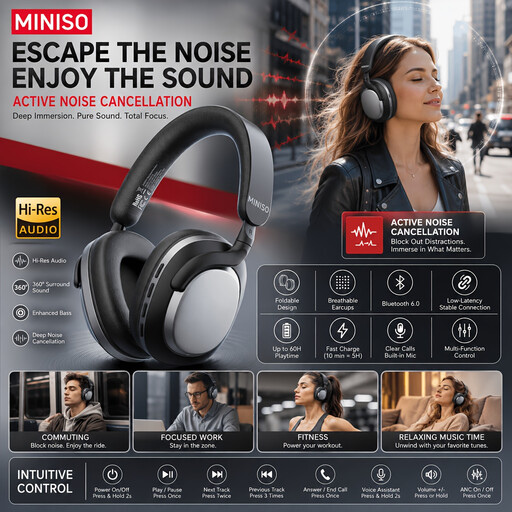
Could suit you if you’re looking for wireless headphones for general listening as well as editing; check that the wired connection works with your playback setup.
The product information lists a 3.5 mm audio cable and wired use without a battery.
The product name mentions noise cancelling and battery life of up to 60 hours.
 No image available
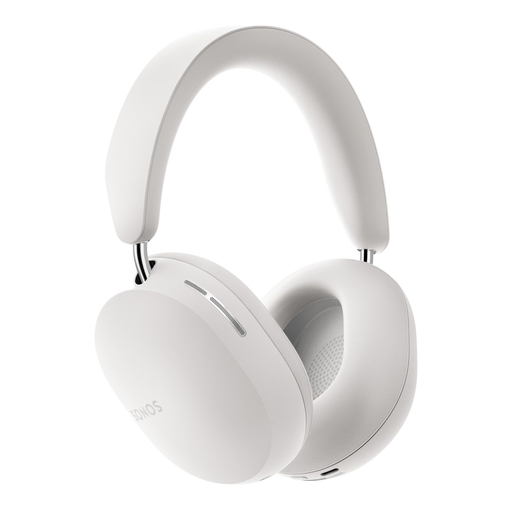
A wireless over-ear option for listening; check that the connection options work with the audio source you use for editing.
The product name mentions noise cancelling and 24-hour battery life.
 No image available
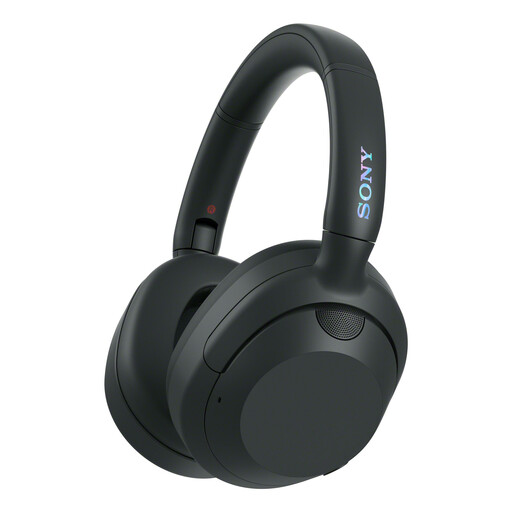
Could be worth considering if you’re looking for over-ear headphones for more than just editing; check the connection with your own equipment.
The product information lists wired audio connections via USB-C and 3.5 mm.
The product name mentions Bluetooth.
 No image available
An over-ear option to compare if you also listen to music generally as well as editing; check the connection and sound leakage in your own setup.
The product information describes a closed-back design and noise cancelling.
It doesn’t need to be your first consideration: in the quiet working environment described, the design is more important to your choice. Compare open-back models if sound leakage isn’t a concern, or closed-back models if you also record or need more isolation. VeiligheidNL discusses a good fit around the ear as a way to reduce the need to turn the volume up in a noisier environment; that doesn’t make active noise cancellation essential in this situation.
Check that the plug fits the output and that the combination gives you a usable volume without needing to listen at an unnecessarily high level. Audio-Technica specifies a 3.5 mm plug for the ATH-M40x; beyerdynamic lists a 3.5 mm plug and a 6.35 mm adaptor for the DT 700 PRO X. The impedance rating alone doesn’t determine how loud your setup will play.
Check the fit and connection, and look up the cable options for the exact model. VeiligheidNL recommends paying attention to a good fit around the ear, so that background noise doesn’t give you a reason to turn the volume up further.
According to the Rijksoverheid, distance purchases from a business often come with a 14-day cooling-off period; check which terms apply to your purchase. You also have statutory rights if a product doesn’t conform to the contract. There is no fixed statutory guarantee period in the Netherlands; if a product is faulty, contact the seller.
No. The rules referred to cover noise in the workplace and the responsibilities of employers and employees. They aren’t universal product specifications or volume settings for every private listener. If your working environment involves relevant noise exposure, assess it in line with the rules that apply to it.