
Listener sharing a room
You’re studying recorded drum grooves while someone else is in the same bedroom. Fit and audible sound leakage are important considerations.


If you’re listening to recorded drum grooves while someone else is in the bedroom, start with a well-fitting pair of closed-back wired headphones. They’re generally better suited to this situation than an open-back model. Then compare how clearly you can hear individual hits, how comfortable they are and whether they connect to your device. If you’re playing the drums yourself, also consider the sound of the instrument or pads, as headphones won’t make them quiet.
You’re studying recorded drum grooves while someone else is in the same bedroom. Fit and audible sound leakage are important considerations.
You listen repeatedly to the timing and individual hits, and want headphones that stay comfortable throughout your listening sessions.
You listen to recordings while practising. As well as the sound from the headphones, consider the noise made by the drums or pads in the shared room.
If you mainly listen to recordings, compare the design and fit first. If you’re playing along, treat the sound of your instrument as a separate consideration.
Choose these when: you mainly analyse recorded grooves in the same room as someone else.
The trade-off: a closed-back design can help limit sound leakage, but trying the fit and sound in your own situation is the best way to assess them.
Choose these when: you can listen on your own, or sound leakage isn’t an issue and you value a spacious presentation.
The trade-off: beyerdynamic describes open-back models as offering less isolation and more sound leakage than closed-back models.
Choose these when: you want to hear a recording while drumming and the sound of your instrument is drowning it out.
The trade-off: the reduction in external noise cited by Vic Firth refers to what the wearer hears; it doesn’t make drums quieter for housemates.
| Consideration | What should you check? | Who is this important for? |
|---|---|---|
| Sound leakage and isolation | Check whether the model is closed-back and over-ear, and, if possible, try the fit and check for leakage at your usual listening volume. | When I’m listening next to a flatmate, I want as little sound as possible to escape. Around 33% of consumers say limiting leakage is their top priority. |
| Clarity of individual hits | If possible, listen to a familiar groove at a safe volume and compare how clearly you can make out the kick, snare and hi-hat. | When I’m picking out timing and accents in a recording, I want to be able to follow each hit clearly. Around 27% of consumers put those groove details first. |
| Comfort | Try the headphones for a session that matches your usual listening time. Also check whether replacement parts are available for the exact model. | When listening repeatedly, I want a fit that feels comfortable to me. For around 20% of consumers, long-term comfort is the top priority. |
| Connectivity and maintenance | Check which output your device has and whether the plug, adapter and any replacement cable you need are compatible with the exact model. | When I want to connect headphones to my own device, I want to be able to use compatible connections and parts. Around 20% of consumers say connectivity and maintenance are their top priorities. |
The name alone doesn’t tell you how much sound will leak through to a flatmate. According to beyerdynamic, open-back models provide less isolation and let more sound escape than closed-back models.
Check the design and ask your flatmate whether audible leakage would be acceptable.
Vic Firth states that its Stereo Isolation Headphones reduce external noise by 25 dB. This manufacturer’s claim doesn’t mean that an acoustic drum kit, pads or vibrations will be quiet for other people.
Consider headphone leakage and the sound of your instrument as two separate things.
The DT 770 PRO X is a different model from the DT 770 PRO impedance variants. beyerdynamic lists the PRO X as having an impedance of 48 ohm and a detachable mini-XLR cable.
Before buying, check the full model name, impedance, cable and output on your playback device.
The closed-back ATH-M40x is a wired option for monitoring; the ATH-M50x is a different model.
The closed-back DT 770 PRO and DT 770 PRO X are relevant for monitoring; the open-back DT 990 PRO offers a different design choice.
The closed-back SRH440A is a wired option for monitoring and critical editing.
The Stereo Isolation Headphones are designed for drummers who want to listen to recordings while playing.
This selection includes headphones for personal listening, including models whose product names mention Bluetooth or wireless listening. Check that each model’s connectivity suits your playback device and the way you listen repeatedly to drum details.
 No image available
An all-purpose listening option if you want to replay grooves. Check that the connection suits your playback device and workflow.
Model: Tune 730BT. Colour: Blue.
 No image available
Over-ear headphones for personal listening. Check that the Bluetooth connection suits your playback device and how you use it.
Model: ACE. Product name mentions Bluetooth and over-ear. Colour: Black.
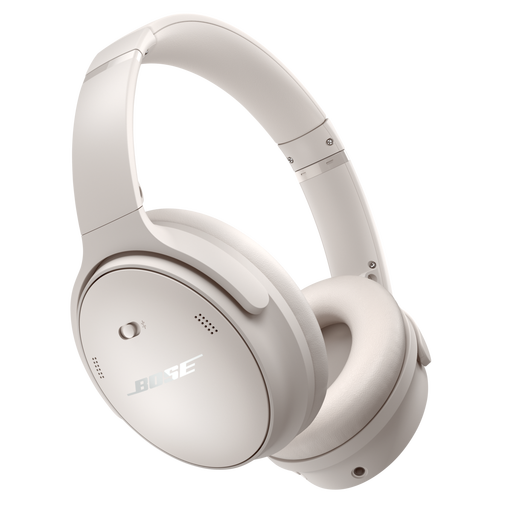 No image available
An all-purpose listening option for replaying a groove. Check that the connection and controls suit your playback device.
Model: QuietComfort. Product name mentions wireless and Bluetooth. Colour: White.
 No image available
An option for personal listening. Check that the wireless connection suits your playback device and listening routine.
Model: WH-CH720N. Product name mentions wireless and Bluetooth. Colour: Blue.
 No image available
Headphones for personal listening. Before buying, check which connections this model has and whether they work with your playback device.
Model: QuietComfort Ultra Headphones (2nd Gen). Colour: Black.
No, choosing headphones won’t make the drum kit itself quiet. An acoustic drum kit makes noise, and pads and vibrations from electronic drums may still be audible. Consider the sound of your instrument separately and agree on arrangements with your housemates.
First, check which headphone output your device has, then compare it with the plug and adapter supplied with the exact model. beyerdynamic lists a 3.5 mm plug with a 6.3 mm adapter for the DT 770 PRO X; Shure lists a similar adapter for the SRH440A.
No, don’t start by turning up the volume to drown out background noise. Thuisarts advises keeping the listening volume at a sensible level and using a volume limiter. First, compare the fit and isolation at a safe volume.
According to ACM ConsuWijzer, standard online purchases of goods generally come with a statutory cooling-off period of up to 14 days after delivery, although exceptions apply. You also have statutory rights against the seller if a product doesn’t meet what you could reasonably expect under normal use; this doesn’t automatically mean you have a fixed two-year warranty.