
Editor in a shared room
You edit drum takes while flatmates or background noise distract you. You want to reduce outside noise without constantly turning up the playback volume.


In a noisy or shared student room, closed-back studio headphones are a sensible starting point. In a quiet room, you can also compare semi-open and open-back models. Then consider the fit, how they connect to your laptop or audio interface, and which parts can be replaced. An impedance rating or frequency range alone doesn’t prove that your drum edits will be more accurate.
You edit drum takes while flatmates or background noise distract you. You want to reduce outside noise without constantly turning up the playback volume.
You usually work in a quiet room and want to assess edits and stereo placement by listening repeatedly. That’s why you can also compare semi-open and open-back models.
You wear your headphones for extended periods and want to consider the fit, connections and replaceable parts.
Choose this option: if room noise is interfering with your edits, or if you monitor while others are in the room.
Bear in mind: noise isolation and comfort vary by model and fit; a closed-back design doesn’t guarantee complete silence.
Choose this option: if you mainly mix in a quiet room and want to compare a semi-open alternative, such as the AKG K240 Studio.
Bear in mind: this design is less suitable when strong isolation or minimal sound leakage is a priority.
Choose this option: if the room is quiet and you want to assess stereo placement without isolation being your main priority.
Bear in mind: you’ll hear more of your surroundings, and sound can leak out. Beyerdynamic describes this as a difference between closed-back and open-back models.
First decide how much isolation your listening space calls for; then consider fit, connections and maintenance.
| What to consider | What should you check? | Who should prioritise this? |
|---|---|---|
| Isolation and sound leakage | Compare closed-back, semi-open and open-back designs, and assess the isolation with your fit and listening space. | If I’m editing in a shared room, I want to be less affected by room noise or sound leakage. Around 33% of consumers give isolation their highest priority. |
| Drum editing and stereo image | Compare models using the same familiar drum take, playback source and comfortable volume. | When I’m assessing edits and placement in the mix, I want to listen repeatedly in a quiet room. Around 27% of consumers put this goal first. |
| Comfort | When trying them on, check for pressure around your head and ears, and see whether replacement ear pads are available for that version. | For long editing sessions, I want headphones that feel comfortable and remain usable. Around 20% of consumers prioritise long-wearing comfort. |
| Connections and maintenance | Check the output on your laptop or interface, the plug you need, and which parts can be replaced on the exact version. | If I want to use my headphones with specific equipment and replace parts when needed, I check these details in advance. Around 20% of consumers put connections and maintenance at the top of their list. |
According to the manufacturer, open-back models let in more background noise and can leak sound out. The AKG K240 Studio is semi-open.
Consider how quiet your room is while you’re editing. If you share your listening space, compare closed-back models first.
Beyerdynamic lists 32, 80 and 250 ohm versions, so the variant is an important part of choosing a model.
Check the exact impedance variant and whether it’s suitable for the output you plan to use.
Sennheiser states that the HD 280 PRO offers attenuation of up to 32 dB. Fit and perceived isolation can vary from person to person.
If possible, try the headphones on and compare them with a familiar recording at a comfortable volume.
Compare the closed-back DT 770 PRO with open-back models if the noise levels in your room vary.
The closed-back HD 280 PRO is an option to compare for isolation, fit and maintenance.
The closed-back ATH-M50x is a wired option to compare if a detachable cable matters to you.
The semi-open K240 Studio is an alternative to compare for mixing and playback in a quiet room.
Sony positions the MDR-7506 as a closed-back model for professional stereo and studio use.
This Joybuy selection includes wireless over-ear headphones, a Teams headset and a wired gaming headset. The product names don’t automatically make these models suitable as studio monitors for editing drums.
 No image available
Wireless over-ear headphones to consider if you also want to listen wirelessly outside your drum-editing sessions; check that the connection and listening method you want are compatible with your interface.
 No image available
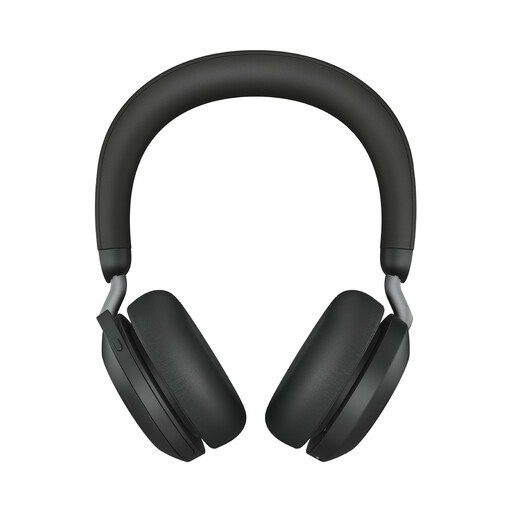
This Bluetooth model could suit you if you also want to listen wirelessly; for drum editing, check that the connection options and playback suit the way you work.
 No image available
This model is designed for MS Teams; separately assess whether its connection and playback are suitable for listening back to and editing drum recordings.
 No image available
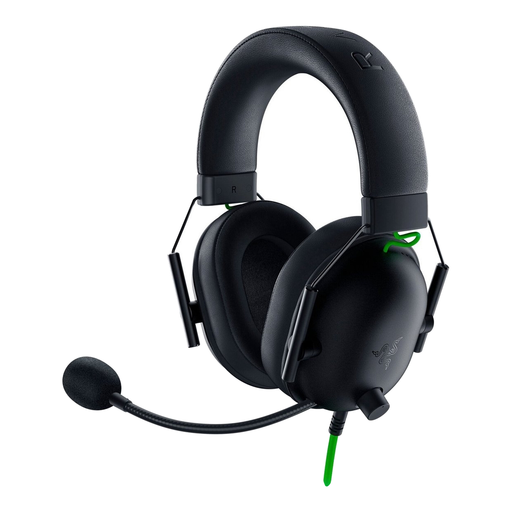
This wired gaming model is an option if you’re also looking for a gaming headset; check that its connection and playback are suitable for your drum edits.
 No image available
Over-ear headphones to compare if you also want to listen wirelessly; for your drum edits, check the connections and whether the listening method you choose works with your equipment.
Not always. Closed-back headphones are a sensible starting point if room noise is distracting or you’re monitoring near a microphone; in a quiet room, you can also compare semi-open and open-back models. Assess the isolation and fit for yourself.
First check the output on your laptop or audio interface and compare it with the connection on the exact version. According to their manufacturers, the Sennheiser HD 280 PRO and AKG K240 Studio have a 3.5mm plug with a 6.3mm adapter. For the beyerdynamic DT 770 PRO, also check which impedance variant you’re choosing.
If possible, try the headphones on and check for pressure around your head and ears. Also check which parts can be replaced on your version: Sennheiser lists replaceable ear pads for the HD 280 PRO; AKG lists replaceable ear pads and a detachable cable for the K240 Studio.
Keep the volume comfortable and take regular listening breaks. The World Health Organization emphasises that both sound level and listening duration matter. Its example of 80 dB for up to 40 hours a week concerns exposure; it isn’t a measurement of the level of your headphones.
According to ACM ConsuWijzer, online purchases generally come with a statutory cooling-off period of up to 14 days after delivery; check which exceptions and returns terms apply to your purchase. If a product doesn’t perform as you could reasonably expect during normal use, statutory warranty rights also apply, and the seller is your point of contact.