Start with passive wired studio headphones if you don’t want to plan charging time; just check that your device has a compatible headphone output. Closed-back ear cups are more practical if background noise or sound leakage is an issue, while an open-back model is best suited to listening in a quiet room. A model with both Bluetooth and a cable gives you more freedom to move around, but wireless listening requires a charged battery.
Who is this choice relevant to?
Dialogue editor with limited workspace
You compare short clips and don’t want to add charging your headphones to your to-do list. So look for a wired connection that’s compatible with your device. iZotope and Audio-Technica Europe outline points to consider when monitoring dialogue and choosing a cable.
Editor working in a shared space
You want to assess quiet speech and residual background noise, even when there may be noise around you. The choice between open-back and closed-back ear cups matters here. Sound On Sound explains how sound can leak in and out more easily with open-back headphones.
Mobile editor with long listening sessions
You move between workspaces or devices and want to consider the cable, fit and replaceable parts. Check these details for the exact model; brands such as AKG and Sony specify model-specific cables and ear pads.
What should you look for when buying?
Start with the connection and the conditions in your workspace. When editing dialogue, compare the same passage before and after editing; iZotope warns that excessive noise reduction can introduce artefacts.
| What to consider |
What to look for when buying |
Who should pay particular attention? |
| Power and connection |
Check your device’s output, the plug and any model-specific adapter. Don’t assume every device has an analogue output. |
I don’t want to have to charge my headphones during long dialogue-monitoring sessions, and I want to know whether my device has the right output. Around 36% of consumers put power and connectivity first. |
| Noise and editing artefacts |
Compare the same short passage before and after editing on your own playback device, and keep the volume at a sensible level. |
I compare the recording before and after noise reduction to assess what the processing changes. Around 29% of consumers give checking for artefacts top priority. |
| Isolation |
Consider background noise, a nearby microphone and how the ear pads fit. An open-back design does not provide isolation. |
When I’m working in a shared space, I want to assess quiet speech without being distracted by surrounding noise or sound leakage. Around 21% of consumers put isolation first. |
| Fit and maintenance |
Consider the fit and check which cables and ear pads can be replaced for the exact model. |
During long sessions, I want a fit that remains comfortable and to know which parts can be replaced. Around 14% of consumers give comfort and maintenance top priority. |
Pitfalls to avoid
-
Choosing a Bluetooth model without considering charging
A model that can also play audio through a cable still needs a charged battery for Bluetooth playback. AKG notes this battery requirement for the K371-BT.
Choose between wired listening without charging and wireless use. Check how wired mode works for the exact version.
-
Treating open-back and closed-back ear cups as interchangeable
An open-back design lets more background noise in and sound out. This can be distracting in a shared space or near a microphone.
Choose according to your workspace and check how the ear pads fit. An open-back model is best suited to listening in a quiet room where sound leakage isn’t an issue.
-
Confusing the DT 770 PRO X with the DT 770 PRO 80 Ohm
These are different versions. beyerdynamic specifies 48 ohms and a detachable mini-XLR cable for the DT 770 PRO X; the DT 770 PRO 80 Ohm is a separate model.
Before buying, compare the full model name, impedance, connection and cable of the version you’re considering.
Brands to consider
Audio-Technica
The closed-back, wired ATH-M50x is an option if you want a choice of different cable lengths in the box.
- Audio-Technica Europe lists three detachable cables and a 6.3mm adapter.
- The brand’s claims about clarity and isolation aren’t an independent comparison with other models.
beyerdynamic
The closed-back DT 770 PRO X is a wired option with a detachable mini-XLR cable.
- beyerdynamic specifies 48 ohms and a detachable cable for the PRO X.
- Don’t confuse this model with the separate DT 770 PRO 80 Ohm; the versions and specifications differ.
AKG
The wired, closed-back K371 is foldable; the K371-BT is a separate version with Bluetooth and a cable.
- AKG lists three detachable cables and replaceable ear pads for the K371.
- AKG quotes 40 hours of battery life for wireless use of the K371-BT; the K371-BT is not the same model as the K371.
Sony
Sony describes the closed-back MDR-M1 as being for audio production. The open-back MDR-MV1 is a different option for listening in a quiet environment.
- Sony lists two detachable cables and replaceable ear pads for the MDR-M1.
- Sony’s descriptions of the MDR-MV1’s spatial or neutral sound aren’t proof that this model performs better for dialogue editing.
Sennheiser
The closed-back, wired HD 280 PRO is foldable and has replaceable ear pads.
- Sennheiser lists a 6.3mm adapter in the box.
- According to Sennheiser, the model has a fixed, single-sided coiled cable. Check that the cable and fit suit your workspace.
Products at Joybuy
This Joybuy selection includes headphones and headsets for anyone looking for a suitable connection for dialogue monitoring. Check that the connection type and listening mode of each version are compatible with your equipment.
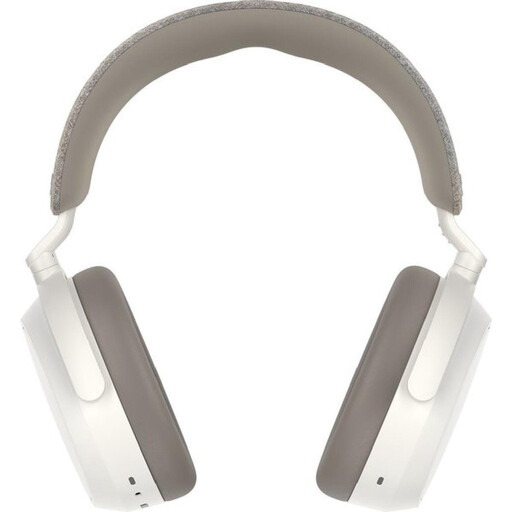 Image unavailable
Sennheiser MOMENTUM 4 Wireless, white
These wireless over-ear headphones are an option if you’re considering a wireless model; check that the wired listening mode and connection you need are compatible with your equipment.
View at Joybuy
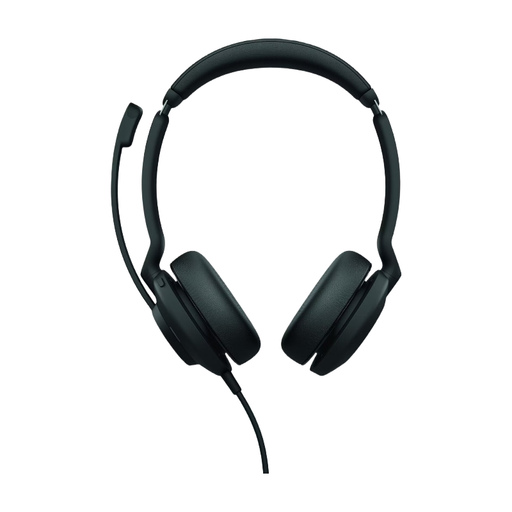 Image unavailable
Jabra Evolve2 30 SE headset
If you’re considering a headset for dialogue monitoring, check that the connection on this version is compatible with your source device.
View at Joybuy
 Image unavailable
Bose QuietComfort Ultra Bluetooth Headphones, black
This Bluetooth model may suit anyone considering wireless headphones; for dialogue monitoring, check that the wired connection and listening mode you need are available.
View at Joybuy
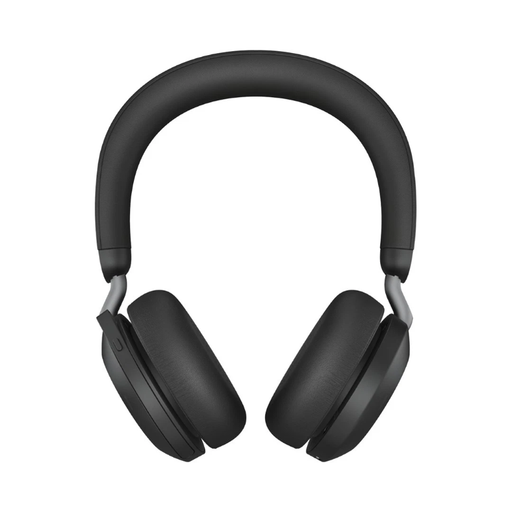 Image unavailable
Jabra Evolve2 75 headset
If you’re looking for a headset for dialogue monitoring, check that the connection options on this version are compatible with your equipment.
View at Joybuy
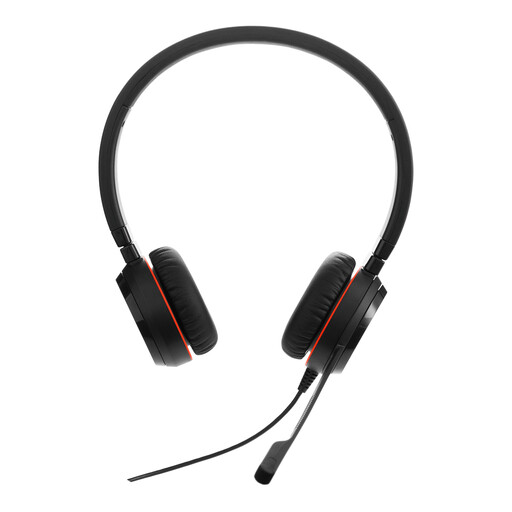 Image unavailable
Jabra EVOLVE 30 II MS Stereo
If you’re considering a stereo headset for dialogue monitoring, check that the connection on this version is compatible with your source device.
View at Joybuy
Frequently asked questions
Do I automatically need wireless headphones if power sockets are scarce?
No. Passive wired headphones don’t need charging, provided your playback device has a compatible output. Bluetooth playback on a model that can also be used wired still requires a battery.
How can I check that noise reduction hasn’t affected the speech?
Keep and listen to the original recording too. iZotope recommends comparing it with the edited version, as excessive noise reduction can introduce artefacts.
Can I connect studio headphones directly to my equipment?
Only if the output and plug are compatible, or with an adapter designed for the exact model. Audio-Technica lists a 6.3mm adapter for the ATH-M50x, as does Sennheiser for the HD 280 PRO; check the output on your own device too.
What can I do if the ear pads or cable wear out?
Before buying, check which parts can be replaced on the exact model. AKG lists replaceable ear pads and three detachable cables for the K371; Sony lists replaceable ear pads and two detachable cables for the MDR-M1.
Are studio headphones hearing protection?
No. Don’t treat studio headphones as a substitute for suitable hearing protection in a noisy workplace. Arboportaal explains that the risk depends on the sound level in the ear canal.


