What should you look for when buying?
Closed-back studio headphones
Choose this option if: background noise makes it harder to check quiet dialogue, or if you also record using a microphone.
Trade-off: isolation and sound leakage also depend on the model and fit. A closed-back design doesn’t guarantee neutral sound or lasting comfort.
Open-back studio headphones
Choose this option if: your room is quiet, you don’t use a microphone while listening, and you also assess the spaciousness of the sound.
Trade-off: an open-back design is less suitable if you want to block out background noise or limit sound leaking into a microphone.
Start with your room and how you record. Then compare fit, connections and maintenance. The percentages below show the main buying priority for each row.
| What to consider |
What should you check? |
Who might find this important? |
| Editing errors and vocal sound |
Choose a model designed for monitoring and use familiar speech clips to see whether you can pick out quiet errors and transitions. If in doubt, compare them on a second playback system too. |
If I mainly want to assess cleaned-up speech and small editing errors clearly, I look at the sound using my own material. Around 36% of consumers prioritise how headphones sound when assessing audio. |
| Isolation and sound leakage |
Consider whether your room is quiet and whether you use a microphone while listening. Check the design and how the ear pads fit. |
If conversations or other background noise interfere with my checks, or I’m recording at the same time, isolation is my first consideration. Around 29% of consumers prioritise isolation and sound leakage. |
| Comfort during long sessions |
If possible, wear the headphones for a representative session. Also check whether the ear pads can be replaced. |
If I listen to a lot of material in one go, I want the headphones to stay comfortable throughout my editing session. Around 21% of consumers prioritise lasting comfort. |
| Connection and maintenance |
Check the plug, any adapter and the cable type against your laptop or audio interface. Find out which parts are available for the exact model variant. |
If I’m mainly looking for a compatible connection and replacement parts I can check, I compare the connection and parts for each version. Around 14% of consumers make this their main buying priority. |
Joybuy products
This selection includes consumer headphones whose product information lists active noise cancellation and/or wired connections. That doesn’t automatically make a model suitable for studio monitoring. Test it with your own dialogue clips and, if possible, compare important edits on a second playback system.
 No image available
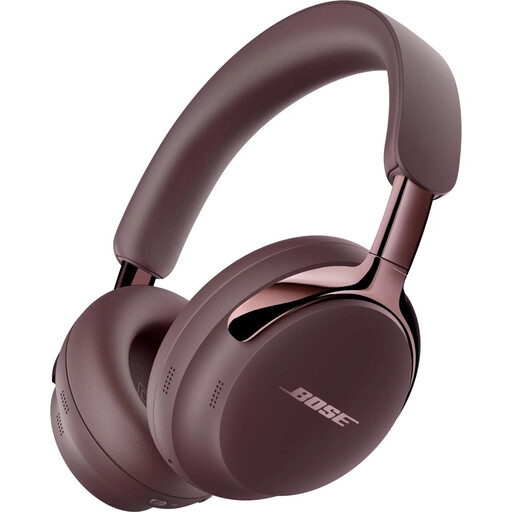
Bose QuietComfort Ultra Headphones (2nd Gen), Cherry Chocolate
Could suit your shortlist if you want to compare active noise cancellation and wired listening. On its own, this doesn’t prove that it’s suitable for studio monitoring.
The product information lists Bluetooth 5.4 and a detachable cable with USB-C and 3.5 mm connections. No charger is included; the recommended charger is 1.8–2.5 W and doesn’t support PD fast charging. The product contains magnets. The product information advises anyone with a medical implant to consult a doctor before use.
View at Joybuy
 No image available
Bose QuietComfort Ultra Bluetooth Headphones, black
Could be worth considering if you want to assess active noise cancellation and wired listening, but the listed features don’t establish how accurately you can edit dialogue with them.
The product information lists Bluetooth 5.3, an audio cable and a stated battery life of up to 24 hours. It also describes a closed-back, over-ear design.
View at Joybuy
 No image available
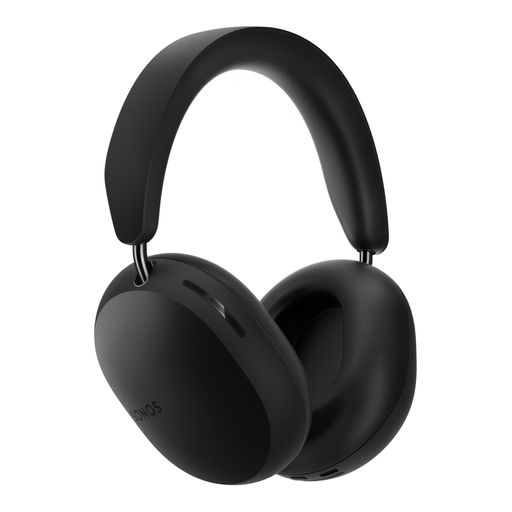
Sonos ACE Over-Ear Bluetooth Headset, black
Could be relevant if you want to compare the wired connections included. Use your own speech material to check whether the model suits your editing work.
The product information lists included USB-C and 3.5 mm cables, a multipoint connection and active noise cancellation.
View at Joybuy
 No image available
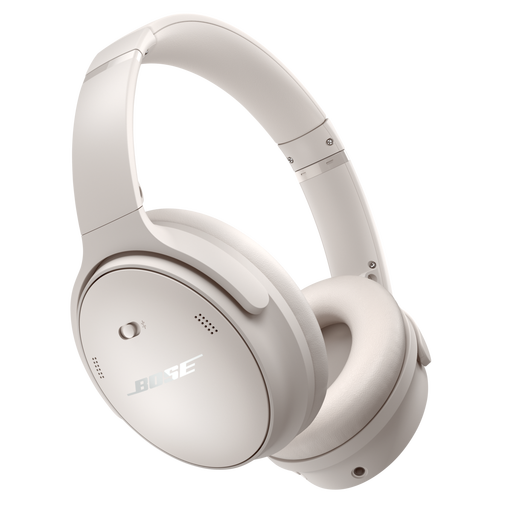
Bose QuietComfort Wireless Bluetooth Noise Cancelling Headphones, white
Could be worth comparing if you want to look at noise cancellation and wired connections. Check separately whether the headphones meet your dialogue monitoring requirements.
The product information lists Bluetooth, active noise cancellation and 3.5 mm and 2.5 mm connections. It also describes a closed-back, over-ear design.
View at Joybuy
 No image available
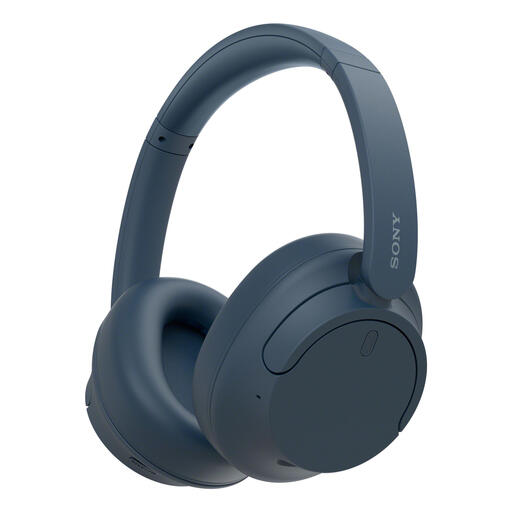
Sony WH-CH720N, blue
Could be interesting if you want to compare noise cancellation, but the listed features don’t prove that this model is suitable for precise dialogue editing.
The product information lists active noise cancellation, an over-ear design, a multipoint connection and a weight of 192 g.
View at Joybuy
Frequently asked questions
Should I always choose closed-back headphones for checking dialogue?
No. A closed-back model is a more obvious choice if there’s noticeable background noise or if you’re recording with a microphone at the same time. In a quiet room, you can also consider an open-back model, as long as sound leakage isn’t an issue.
How do I connect studio headphones to my workspace?
Compare the output on your laptop or audio interface with the specified plug and included adapter for the exact version. The beyerdynamic DT 770 PRO is available in 32, 80 and 250 ohm versions, among others. That number alone doesn’t tell you how loud it will play from your output.
What can I do if the ear pads or cables wear out?
Check which parts can be replaced for each model and version. Beyerdynamic lists replaceable pads for the DT 770 PRO, while Audio-Technica lists detachable cables for the ATH-M40x. A detachable cable doesn’t automatically mean that a replacement will be free if it wears out through normal use.
How can I avoid listening too loudly during long checking sessions?
Keep the volume low and take breaks. The World Health Organization emphasises that safe listening depends on both sound level and exposure time. The figure of 80 dB for up to 40 hours per week is guidance on safe listening, not a measured level for your headphones or a universal volume setting.
What warranty and cooling-off period apply to a consumer purchase in the Netherlands?
According to the Dutch government, you’re entitled to a product that works as it should, but there’s no fixed statutory warranty period in the Netherlands. If there’s a fault, contact the seller. ACM ConsuWijzer states that online purchases usually come with a cooling-off period of up to 14 days after delivery, subject to exceptions. Check the terms that apply to your purchase.


