Who is this relevant to?

The creator who compares takes closely

Listens back to sections repeatedly and wants to judge differences without background noise or an unsuitable listening setup affecting the comparison. RTINGS.com discusses the different uses of open-back and closed-back studio headphones.

The creator with few spare sockets

Wants to connect headphones to a suitable existing output, without having to set aside another socket for charging them. For example, Focusrite describes an audio interface that connects to a computer via USB.

The recording artist at a shared workspace

Listens while recording or near other people, and takes sound leakage, fit and an active microphone into account. RTINGS.com discusses closed-back headphones for recording; VeiligheidNL highlights the importance of well-fitting ear pads.

What should you look for when choosing?

Wired and closed-back

Choose this if: you listen while recording, have a microphone active or work alongside other people.

Bear in mind: a cable limits how freely you can move. Also check the connection and the exact model variant.

Wired and open-back

Choose this if: you mainly listen back to takes in a quiet room and sound leakage isn’t a problem.

Bear in mind: sound escapes, and background noise is less effectively blocked out.

Wireless with a wired option

Choose this if: freedom to move around matters more to you than avoiding the need to manage charging.

Bear in mind: a supplied cable doesn’t automatically mean every model can be used without a battery in every situation.

What to consider What should you check? Who is this important to?
Comparing takes Listen to the same short sections on the same device and at a similar volume. I want to judge the differences between takes accurately; around 33% of consumers put this comparison first.
Sockets and connections Check which 3.5mm or 6.3mm output is available, whether you’ll need an adapter, and the impedance of the exact model variant. I want to use my existing listening setup without needing another charging socket; around 33% of consumers give this access to power top priority.
Sound leakage Check whether the model is closed-back, how the ear pads fit and whether sound leaks out at your listening volume. I listen with an active microphone or alongside other people, so I want to take sound leakage into account; around 17% of consumers put this first.
Comfort and maintenance Try the fit if possible, and check whether replacement ear pads or cables are available for the exact model variant. I often listen for long periods, so fit and maintenance matter to me; around 17% of consumers give these needs top priority.

Common pitfalls when choosing

  • Assuming wired means no power is needed anywhere

    Wired headphones don’t need charging themselves, but the device providing the audio may still need power.

    Before choosing a connection, check the available outputs and power supply on your existing computer or audio interface.

  • Using open-back headphones while recording

    Sound from open-back headphones may be audible during a quiet recording or picked up by a microphone.

    For recording, a suitable closed-back model is usually the better choice. Consider open-back headphones for listening back when sound leakage isn’t an issue.

  • Treating different impedance variants as the same model

    The impedance of the variant you choose and your device’s output determine together whether the headphones will work well in practice.

    Check the full model name and impedance against your playback device rather than relying on the series name alone.

Brands to consider

Sennheiser

The open-back, wired HD 490 PRO is designed for listening back and mixing in a quiet space.

  • Sennheiser lists two types of replaceable ear pads and a detachable cable for the HD 490 PRO.
  • The open-back design can let sound leak out. Claims about accuracy come from Sennheiser.

beyerdynamic

The closed-back, 80-ohm DT 770 PRO is a wired option for recording; the open-back DT 900 PRO X is a separate model for listening back and mixing.

  • For the 80-ohm DT 770 PRO, the manufacturer lists replaceable ear pads, a 3.5mm plug and a 6.35mm adapter.
  • Check the impedance variant. Features of the DT 900 PRO X don’t automatically apply to the DT 770 PRO.

Audio-Technica

The closed-back, wired ATH-M40x is an option for listening and recording without needing a battery for the headphones.

  • Audio-Technica lists two detachable cables and an impedance of 35 ohms for the ATH-M40x.
  • The wireless ATH-M50xBT2 is a separate model. The battery life stated by Audio-Technica isn’t an independent measurement.

AKG

The closed-back, foldable K371 is a wired option for creators who take their headphones between workspaces.

  • AKG lists an impedance of 32 ohms and a detachable cable for the K371.
  • Descriptions of sound and wearing comfort come from the manufacturer. Check the fit and connection for yourself.

Sony

The closed-back, foldable MDR-7506 is a wired monitoring headphone for recording and listening back.

  • Sony lists a supplied adapter for 3.5mm and 6.3mm connections.
  • Descriptions of its sound are manufacturer claims and aren’t the result of a comparison test with the other models mentioned.

Joybuy product picks

The selection includes a range of over-ear and stereo headphones, including wireless models. For each variant, check that the connection and charging requirements suit the way you compare takes.
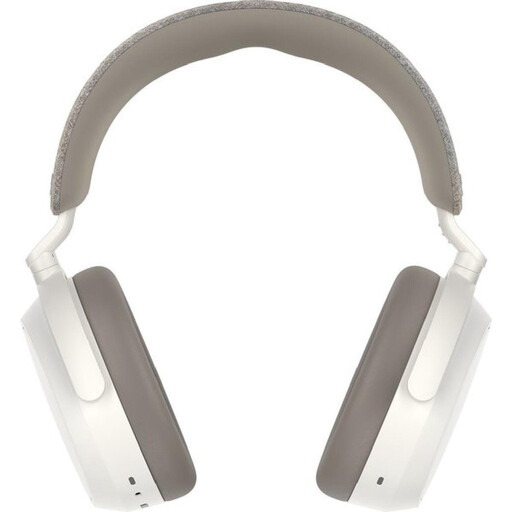
Sennheiser MOMENTUM 4 Wireless, white wireless over-ear headphones

Sennheiser MOMENTUM 4 Wireless, white

The product information mentions passive use with a 3.5mm cable. Check that this setup works for your listening-back sessions.

The product title describes wireless over-ear headphones with noise cancelling and a stated battery life of 60 hours.

Joybuy
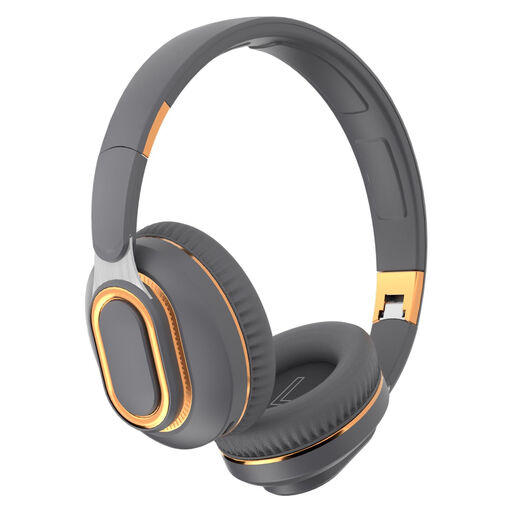
Wireless headphones with Bluetooth 5.0 and a foldable design

Wireless headphones, Bluetooth 5.0

The product information mentions both Bluetooth and a wired AUX connection. Check which connection suits your recording or playback device.

The title mentions a foldable design and playback from a TF card.

Joybuy
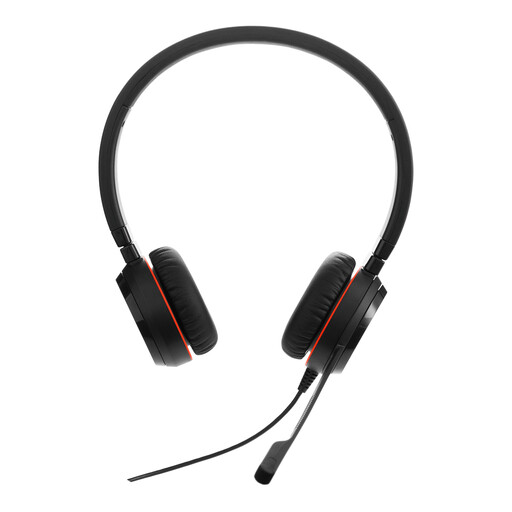
Jabra EVOLVE 30 II MS Stereo

Jabra EVOLVE 30 II MS Stereo

Before choosing these stereo headphones for comparing takes, check that their connection and controls suit your listening setup.

The product information lists a 0.95 m cable; bear in mind how far you’ll be from your device.

Joybuy
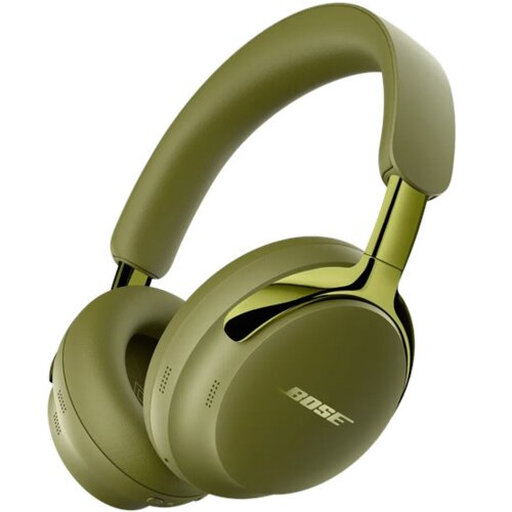
Bose QuietComfort Ultra Headphones, second generation, olive green

Bose QuietComfort Ultra Headphones (2nd Gen), olive green

The product information mentions a detachable cable, but also says the battery should be fully charged for optimum use. Don’t assume you can use them without charging first; check the details.

The cable information lists USB-C and 3.5mm connections; check which one your device uses.

Joybuy
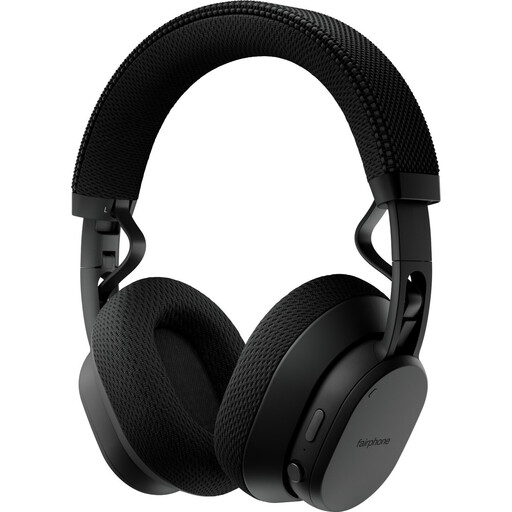
Fairphone Fairbuds XL, 2025, black

Fairphone Fairbuds XL 2025, black

The product information mentions Bluetooth and a rechargeable battery charged via USB-C. Bear charging in mind if you don’t want to plan an extra charging session.

Check that the wireless connection suits your equipment and the way you work when comparing takes.

Joybuy

Frequently asked questions

Do I need an extra socket for wired studio headphones?

Not for the passive headphones themselves. The device you connect them to does need power; for example, Focusrite says the Scarlett Solo 4th Gen connects to a computer via USB. Also check that the plug fits the output you’re using.

Will different headphones help if I hear my voice with a delay while recording a take?

Not necessarily: the monitoring path may be causing the delay. Focusrite describes direct monitoring, which sends the input signal straight to the outputs. Check the settings on your own audio interface and recording software before replacing your headphones.

How can I keep studio headphones in good working order if I listen back often?

Keep the listening volume at a sensible level and check the fit. VeiligheidNL points out that well-fitting ear pads can help prevent you from turning up the volume to drown out background noise. For each model, also check whether the ear pads and cables can be replaced.

Which Dutch rules and rights are relevant when buying?

When a consumer buys online, they generally have a statutory 14-day cooling-off period after delivery, although exceptions apply; ACM ConsuWijzer explains this period. The legal guarantee applies if a product doesn’t meet what you could reasonably expect under normal use. For wireless radio equipment, the Rijksinspectie Digitale Infrastructuur describes European requirements and CE marking; a product listing alone doesn’t prove that a specific variant meets them.
