
Backing singer who likes to sing along
Wants to follow the vocal part and know when to come in. Hearing the backing track alone is different from hearing your own voice through a suitable recording or monitoring setup.


For practising backing vocals on a coach, a well-fitting pair of closed-back headphones is a sensible starting point for following the backing track. Just check that your playback device is compatible with the connection. If you also want to hear your own voice, you’ll need a suitable microphone and monitoring setup: headphones alone won’t do that. Travel noise, space for the cable and wearing comfort may affect your choice, and no headphones will make audible singing inaudible to your fellow passengers.
Wants to follow the vocal part and know when to come in. Hearing the backing track alone is different from hearing your own voice through a suitable recording or monitoring setup.
Wants to follow the recording without constantly turning up the volume. The World Health Organization recommends well-fitting headphones to reduce the need for higher volume in noisy situations.
Wants comfortable headphones that connect to their playback device and have a cable that’s easy to manage on the move. The Dutch Consumers’ Association highlights wearing comfort, connection options and cable length when testing headphones.
Start by deciding whether you only want to listen to a practice recording or also monitor your own voice. Then check the connection, fit and space for the cable. Compare active noise cancellation separately if travel noise is making it difficult to listen.
| What to consider | What should you check? | Who is this important for? |
|---|---|---|
| Following vocals and timing | Check whether you’ll only hear the backing track or whether you also have a suitable microphone and monitoring route; avoid monitoring through software twice. | If I want to assess my own entries and timing, my equipment needs to send my voice to my headphones. Around 36% of consumers put checking their voice and timing first. |
| Travel noise | Assess the fit and seal; compare active noise cancellation if the background noise is persistent. | If I want to hear the backing vocals without turning up the volume to drown out the coach noise, I focus on the seal. Around 29% of consumers put travel noise first. |
| Wearing comfort | Check for pressure and fit, including when wearing glasses; see whether the ear pads are replaceable. | If I want to keep listening on a longer journey without my headphones becoming uncomfortable, fit matters a lot. Around 21% of consumers put wearing comfort first. |
| Connection and cable | Check your device’s output, the cable supplied and any adapter you may need; consider where the cable will run by your seat. | If I want to connect my own device without an awkward cable at my seat, I check the plug and cable length first. Around 14% of consumers put connection and ease of use first. |
A closed-back design mainly limits the exchange of background and playback sound. It won’t automatically muffle your singing voice.
Be considerate of your fellow passengers and, if in doubt, check the operator’s terms and conditions.
Having a microphone doesn’t tell you whether you’ll hear your own singing in time while practising. A delayed or doubled monitoring signal can make it harder to follow your part.
Test the complete signal path with your own equipment before relying on voice monitoring.
You may need a separate, compatible microphone or monitoring setup to monitor your voice.
Connections and cables can vary between versions. The specifications for the beyerdynamic DT 770 PRO 32 Ohm don’t necessarily apply to other versions.
Compare the full model name, plug and cable with your device and seating arrangements.
An incompatible connection or awkward cable may mean you need a suitable accessory.
According to AKG, the closed-back, foldable K371 comes with several detachable cables. The separate K361-BT model offers Bluetooth and wired listening, according to the manufacturer.
According to Audio-Technica, the closed-back, wired ATH-M40x has detachable cables and swivelling ear cups.
The 32-ohm version of the DT 770 PRO is a closed-back, wired model that the manufacturer positions for mobile monitoring.
According to Sennheiser, the closed-back HD 280 PRO is foldable and has replaceable ear pads and a coiled cable.
Sony describes the MDR-7506 as a wired professional headphone for recording and studio use.
This selection focuses on headphones with active noise cancellation for listening to practice recordings while travelling. A cable mentioned in the product details may be suitable for wired listening, but that alone doesn’t confirm voice-monitoring functionality.
 No image available
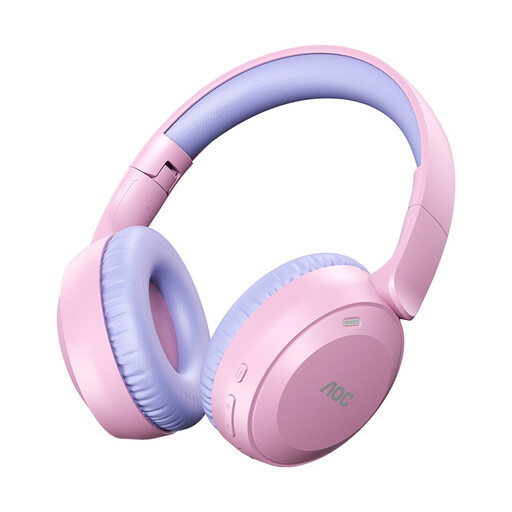
May suit you if you want active noise cancellation when listening to practice recordings, while also having the option of using a cable.
The product information states up to 60 hours of playback, passive listening via cable and a 3.5 mm audio cable included. The stated playback time isn’t guaranteed in every situation.
 No image available
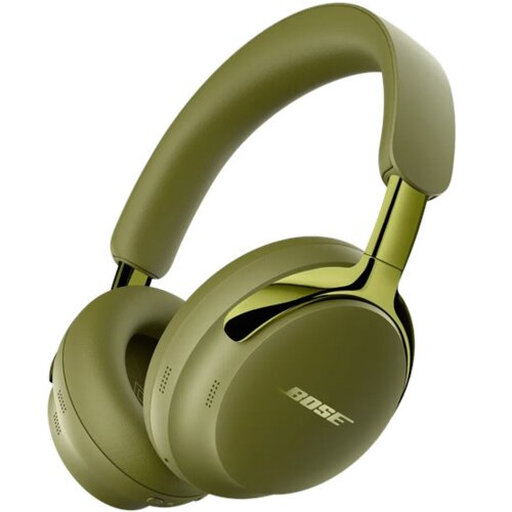
May suit you if you want to listen wirelessly while travelling and put your headphones away between uses.
The product title lists Bluetooth 6.0, a foldable design, a weight of 182 g and up to 75 hours of playback. Check that the wireless connection suits your practice setup.
 No image available
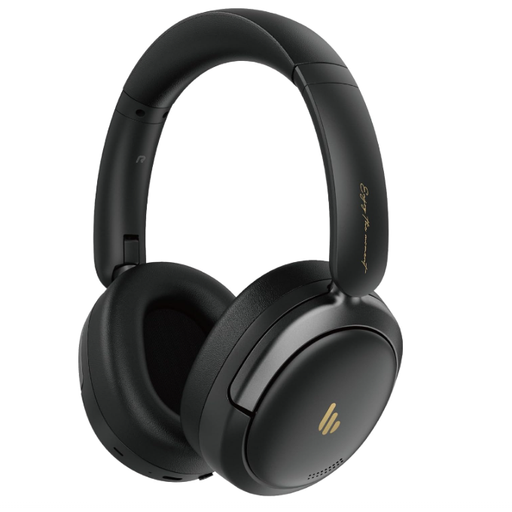
May suit you if you want active noise cancellation and, depending on your practice setup, the option of wired listening.
The product information lists Bluetooth 5.4 and a detachable cable with USB-C and 3.5 mm connections. Check which connection your device requires.
 No image available
May suit you if you’re looking for active noise cancellation and a foldable design for travelling. An integrated microphone doesn’t confirm that your own singing will be monitored in real time.
The product title lists Bluetooth 5.4 and up to 45 hours of playback. The product information mentions active noise cancellation and an integrated microphone.
 No image available
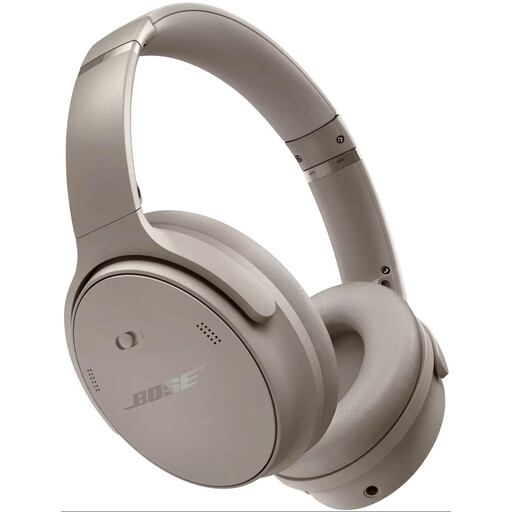
May suit you if you want active noise cancellation while travelling and the option to adjust your listening to your surroundings.
The product information lists Bluetooth, active noise cancellation and a transparency mode. Check that the available connections suit the way you play your practice recordings.
Not to play the backing track. If you want to hear your own voice through your headphones, your recording or monitoring setup needs to send it to them. Focusrite explains how direct monitoring on a suitable interface can avoid latency; turn off software monitoring at the same time if you hear your voice twice.
Don’t make turning up the volume your default solution. The World Health Organization recommends listening at a lower volume, taking breaks and using well-fitting headphones. Noise cancellation can help reduce the need for extra volume in noisy situations. The WHO gives an average of 80 dB for up to 40 hours a week as an example of safe listening exposure; it isn’t a measurement of your device.
Yes. If there’s a seat belt at your seat, you must wear it. The Dutch government distinguishes between coaches with seat belts and a local service bus operating within a built-up area. Stow your practice equipment so you can keep wearing your seat belt.
Check whether the cable and ear pads are replaceable for your exact model, and follow the manual for cleaning and replacement. AKG lists detachable cables and replaceable ear pads for the K371; Sennheiser lists replaceable ear pads for the HD 280 PRO.