
Choir recording editor in a quiet room
If you mainly listen back critically and sound leakage isn’t a concern, you could also compare open-back, wired headphones.


If you’re working in a quiet room and aren’t recording at the same time, compare open-back, wired headphones for playback. If you’re working near other people or recording with a live microphone, a closed-back model is likely to be a better choice. Sound On Sound explains that headphone sound can be picked up by other people or a microphone, so also consider sound leakage, fit, cable space and compatibility with your audio interface.
If you mainly listen back critically and sound leakage isn’t a concern, you could also compare open-back, wired headphones.
If you want to avoid disturbing others while listening back, a closed-back model is worth comparing. A foldable design can also be handy if you’re short on storage space.
If you record vocals while wearing headphones, consider sound leakage and check that the connection is compatible with your audio interface.
When to choose: if you mainly edit in a quiet room, with no live microphone or nearby people who might be disturbed.
Trade-off: an open-back design lets sound escape. Also check that the cable and headphones work with your desk setup.
When to choose: if you work near other people or wear the headphones while a microphone is recording.
Trade-off: a closed-back design reduces sound leakage, but doesn’t guarantee a good fit or seal for you.
| Consideration | What to look for | Who is this important for? |
|---|---|---|
| Listening back to choir vocals | Compare open-back and closed-back models using familiar recordings, and consider whether sound escaping is a problem. | If I want to assess differences between choir voices carefully, I look for headphones suited to my listening environment. Around 29% of consumers prioritise critical listening. |
| Sound leakage | Look for a closed-back design and check for yourself how well the ear cushions fit. | If I work close to other people or a live microphone, I want to avoid disturbing them with headphone sound. Around 23% of consumers prioritise reducing sound leakage. |
| Cable and storage | Check the supplied cable length, whether it’s detachable and whether the exact model is foldable. | If my desk is short on space, I want to be able to put the cable and headphones away easily after use. Around 18% of consumers prioritise practicality at their desk. |
| Wearing comfort | Check how the headband and ear cushions fit; weight alone doesn’t tell you how a model will feel. | For long editing sessions, I want my headphones to feel comfortable and to be able to take breaks. Around 18% of consumers prioritise comfort during longer sessions. |
| Connection and maintenance | Check the plug, any adapter, the impedance of the exact model and your interface specifications. | If I want to keep using my existing interface or replace parts, I check these details for each model. Around 12% of consumers start by looking at the connection or maintenance. |
Open-back headphones can be heard by people nearby or picked up by a microphone, even when you’re using them for critical listening.
First decide whether you’ll only be editing or also working near other people or a microphone. Then compare open-back and closed-back models.
According to Focusrite, higher-impedance headphones generally need more power from the headphone output; capabilities vary between interfaces.
Check the exact model and the documentation for your interface before assuming you’ll need extra equipment.
If your interface output isn’t suitable, you may need additional equipment. Check this before making your choice.
Foldable headphones don’t necessarily take up little space when in use; the cable can get in the way on your desk. Audio-Technica lists both a straight and a coiled cable for the ATH-M40x.
Check the cable length, connection and whether it’s detachable for the exact model.
If none of the supplied cables suits your workspace, you may need a different compatible cable.
The open-back DT 900 PRO X and closed-back DT 770 PRO offer different options if sound leakage is a consideration.
The closed-back ATH-M40x is worth comparing if storage and cable management are important at a small desk.
The closed-back K371 is an alternative to compare if you’re looking for a foldable model for a shared workspace.
The open-back HD 490 PRO is worth considering for longer editing sessions if sound leakage isn’t an issue.
The headphones below suit a range of listening and connection needs. For each model, check that the connection and controls work with your audio interface and studio editing workflow.
 No image available
The product description mentions wired listening via the supplied 3.5mm audio cable; check that this connection suits your editing setup.
Over-ear model; the product description lists a 42 mm transducer system.
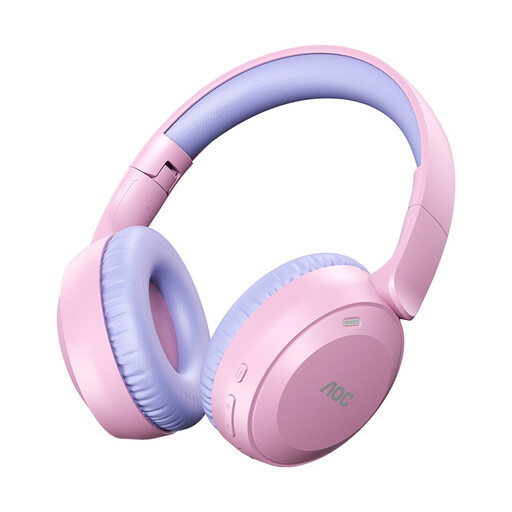 No image available
This wireless model differs from wired studio headphones. Consider it only if Bluetooth suits your interface and editing workflow.
The product title lists a foldable design and a weight of 182 g.
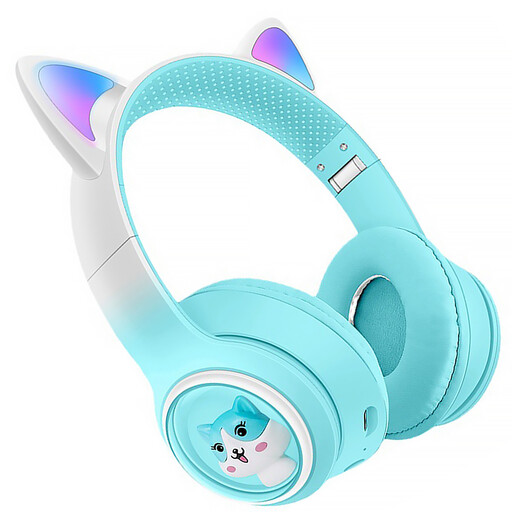 No image available
The title mentions Bluetooth and a foldable design. Check that the connection and controls suit your editing setup.
The product title also lists a microphone and a TF card slot.
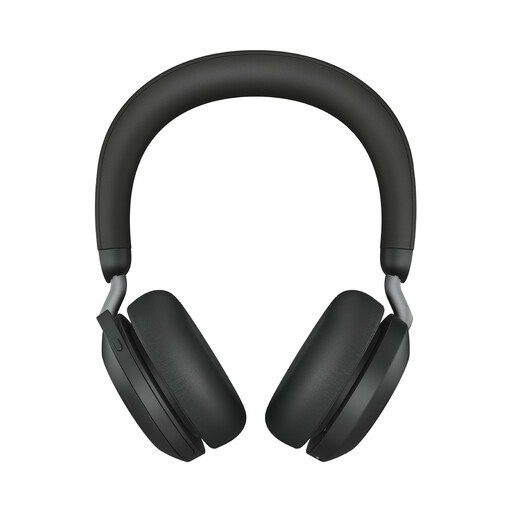 No image available
Before choosing this model for studio work, check that its connection is compatible with your interface and editing device.
The product description lists Bluetooth, active noise cancellation and connection to two devices.
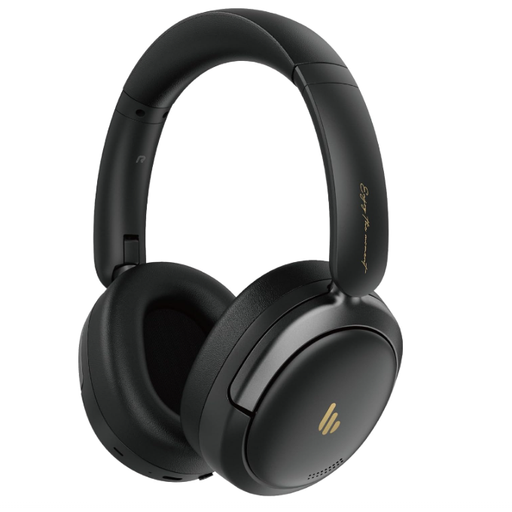 No image available
The product description lists wired audio via USB-C. Check that this connection is compatible with your audio interface.
The product title also mentions Bluetooth 5.4 and a foldable design.
If a microphone can pick up sound from your headphones, a closed-back model is likely to be a better choice. For editing later without a live microphone, an open-back model may work well.
No. Focusrite says you don’t need to match these impedance values. However, check your interface specifications and the impedance of the exact headphone model.
Check which replacement parts are suitable for the exact model. Sennheiser lists replaceable ear cushions for the HD 490 PRO; don’t assume other models use the same parts.
Keep the volume at a sensible level and take breaks. The World Health Organization gives a maximum of 40 hours per week at an average of 80 dB as an example; safe listening time decreases at higher sound levels. This is general listening guidance, not a measurement of the headphones mentioned here.
Online purchases generally come with a 14-day cooling-off period after delivery; check which exceptions apply. According to ACM ConsuWijzer, you’re also protected by statutory consumer rights if a product is faulty. The Dutch government states that there is no fixed statutory guarantee period in the Netherlands, and that the seller must provide a solution if something goes wrong.