
Someone digitising cassettes at a shared desk
You want to listen to a cassette while digitising it, with other people working nearby. Isolation and keeping the listening volume under control are important.


If you’re working at a shared desk, choose wired, closed-back headphones that feel comfortable without needing to turn the volume up. Then check that the fit, cable and plug are compatible with your playback or recording equipment. Listening through headphones doesn’t replace checking the recording level separately.
You want to listen to a cassette while digitising it, with other people working nearby. Isolation and keeping the listening volume under control are important.
You want to pick up audible problems during or after recording, while also checking the recording level separately.
You switch between devices or put your headphones away after use. The connection, cable and fit all matter for everyday use.
Choose this option: if you’re sitting near other people and want to listen to your cassette through ear cups that cover your ears.
Bear in mind: how well they isolate also depends on the fit, so check this before relying on them for extended use.
Choose this option: if sound leakage won’t be a problem where you’re working and you specifically want an open-back design, for example in a quiet space of your own.
Bear in mind: an open-back design won’t provide the isolation you may need at a shared desk.
First decide whether you need isolation, then check the fit, cable and connection against your own equipment.
| What to consider | What to look for | Who is this important for? |
|---|---|---|
| Isolation at a shared desk | Check for closed-back ear cups and, if possible, try the fit at the volume you intend to use. | If I’m listening to a cassette with colleagues nearby, I want to hear it clearly without turning the volume up. Around 33% of consumers put isolation first. |
| Monitoring while digitising | Check that you can listen to the source you want through your equipment, and use a recording meter or test recording as well. | I want to pick up audible problems during or after recording, while also checking the signal level separately. Around 27% of consumers prioritise monitoring. |
| Comfort and storage | If possible, try the headphones on with your glasses; check the ear cushions, adjustability and whether the model folds. | For a longer listening session, I want a fit that stays comfortable for me, and I want to be able to put the headphones away afterwards. Around 20% of consumers put comfort first. |
| Connection and cable | Check the output on your playback device or audio interface, and confirm which plug, adapter and cable are included with the exact model. | If I’m switching between devices at a shared workspace, I want to know in advance whether the cable will fit my connection. Around 20% of consumers give connection the highest priority. |
The volume you hear through your headphones can differ from the level of the recorded signal.
Check the recording level separately using the meter, and listen to a test recording if needed.
A cable or version that doesn’t suit your setup may mean you have to buy another one.
The ATH-M40x is a wired, closed-back model; the ATH-M20x is a different version with a fixed cable.
The closed-back DT 770 PRO is an option if replaceable parts matter to you; check the impedance version carefully.
The closed-back, foldable MDR-7506 is designed for anyone who wants to put their headphones away after use.
The closed-back HD 280 PRO has a foldable design and a coiled cable.
The closed-back, foldable K371 may suit anyone who wants to carry or store their headphones between sessions.
A selection of Joybuy products related to this topic. Check whether the listening setup, connection and fit of each model suit your equipment.
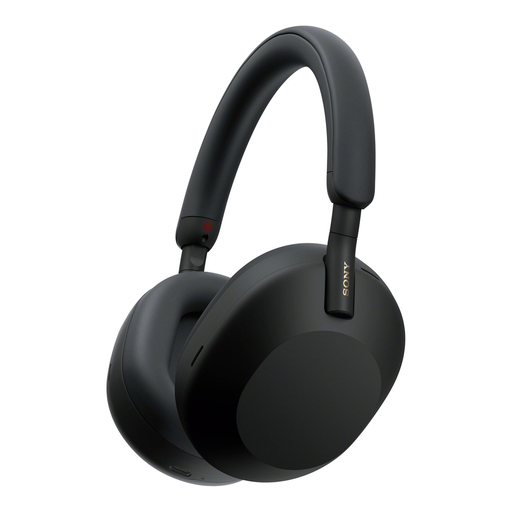 No image available
The product name describes a wireless model; before monitoring cassettes, check that this model supports the wired listening setup you want.
The product name specifies wireless operation and the colour black.
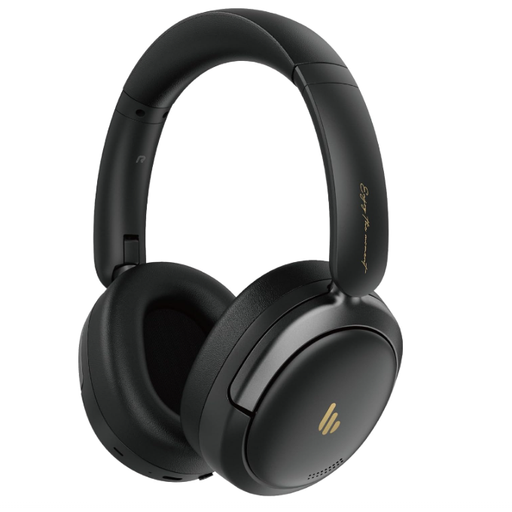 No image available
The foldable design may be useful if you want to put your headphones away after a listening session. Check that the listening setup works with your equipment.
The product name specifies an over-ear design and Bluetooth 5.4.
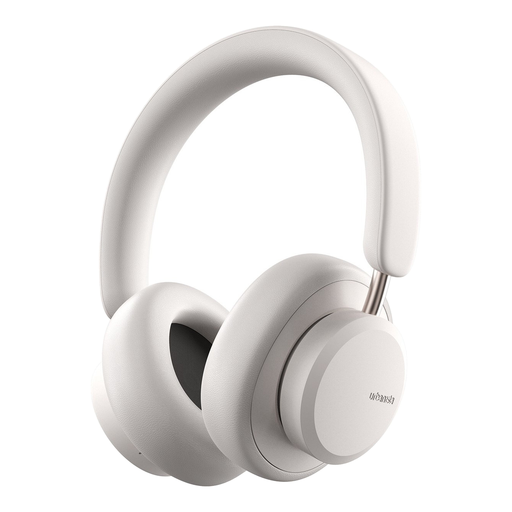 No image available
If an over-ear model suits your preference, check separately whether this version has the wired connection your cassette setup needs.
The product name specifies over-ear headphones in pearl white.
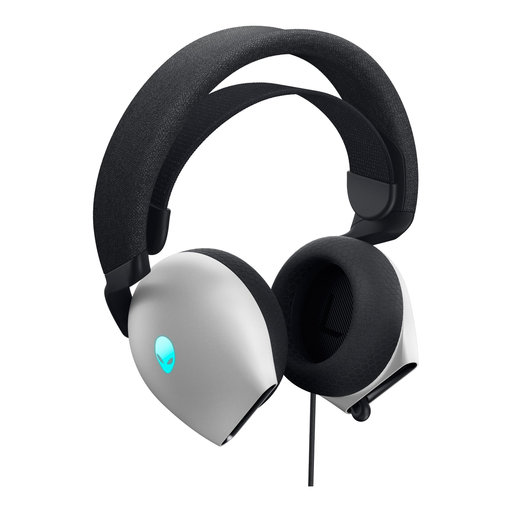 No image available
The product name describes a wired gaming headset; check that the connection is compatible with your cassette or recording equipment.
The product name specifies a white, headband-style gaming headset.
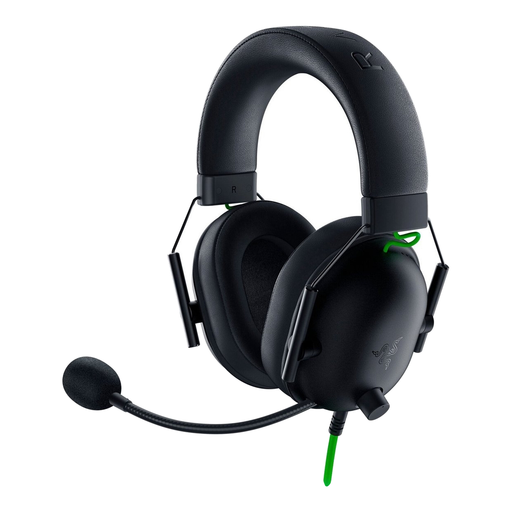 No image available
The product name describes a wired gaming headset; check the connection on this version before using it with your recording equipment.
The product name specifies 7.1 and the colour black.
Connect them to a compatible headphone output on your playback device, recording device or audio interface, and check that you can hear the source you want. The Audacity manual describes listening through a computer and direct monitoring through an external interface; the right option depends on your setup.
Don’t rely only on what you hear through your headphones: check the recording meter too, and make a test recording if needed. The cassette guide from Sonoma County Library notes that the recording level may be independent of the volume you hear through your headphones.
Keep the listening volume under control, even if background noise is distracting. The Dutch Arboportaal warns that excessive sound levels in the ear canal can cause hearing damage. Before arranging maintenance, check whether cables or ear cushions can be replaced on the exact model.
According to the Dutch government, when you buy remotely from a business, you usually have 14 days to change your mind. You’re also entitled to a product that works properly; the Netherlands has no fixed statutory two-year warranty period. If something is faulty, contact the seller. Check the terms that apply to your purchase.
According to the Dutch government, you may make a private copy of copyrighted music for your own use, but you must not distribute it or make it available to the public. This concerns how you use the recording, not which type of headphones you choose.