
Student in a shared room
You want to listen while digitising cassette tapes without using speakers. Audio-Technica, beyerdynamic and AKG describe closed-back models; also check how well the ear pads fit you.


Start with a comfortable, closed-back pair of headphones with a wired connection that matches the output you want to monitor. Then consider practical features such as foldability or replaceable ear pads. Check the recording separately, as your headphones can’t prove that the recorded file is good.
You want to listen while digitising cassette tapes without using speakers. Audio-Technica, beyerdynamic and AKG describe closed-back models; also check how well the ear pads fit you.
You might use a cassette deck and a computer or audio interface, for example. The Audacity Manual describes different ways to monitor a signal, so check which output you’re using and which plug fits it.
For longer listening sessions, fit, cable use and ear pads all matter. beyerdynamic and Sennheiser mention replaceable ear pads for specific models; Which? also considers wearing comfort in its headphone tests.
First, check that the headphones are suitable for the listening output and the conditions in your room. Then consider factors such as storage, comfort and replaceable parts.
| What to consider | What should you check? | Who is this important for? |
|---|---|---|
| Isolation in a shared room | A closed-back, over-ear design and how the ear pads fit around your ears. | If my flatmates are making noise, I want to monitor the transfer using a well-fitting, closed-back model without speakers. Around 36% of consumers prioritise isolation above all else. |
| Connection and recording checks | The headphone output, plug type and how you’ll listen back to the recording. | I want to know whether my headphones will fit the listening output I’m using and how to check the recorded signal. Around 29% of consumers prioritise connection and recording checks. |
| Comfort and storage | Fit if you wear glasses, headband pressure, room for the cable and foldability. | For a whole cassette, I want a fit that stays comfortable for me; in a small room, compact storage may also be important. Around 21% of consumers prioritise comfort for longer sessions. |
| Maintenance and parts | Which cables and adapters are included, and whether parts are replaceable for the exact version. | I want to know which parts come with the model I’ve chosen and whether the cables or ear pads can be replaced. Around 14% of consumers prioritise maintenance and replaceable parts. |
Listening through the cassette deck doesn’t automatically check the saved file. An incorrectly set recording level may only become apparent when you listen back to the recording.
Make a short test recording first, check the meter and listen back to the saved file before transferring a whole cassette.
If you only discover a problem after the transfer, you may need to record it again.
beyerdynamic lists 32, 80 and 250 ohm versions and recommends them for different types of source. The series name alone doesn’t tell you which version suits your listening output.
Check the full model version and the output on your own equipment before choosing.
An unsuitable version may mean you need a different listening output or additional equipment.
Manufacturers describe closed-back models and noise isolation, but the actual seal also depends on the fit. So a model that’s described as closed-back may not fit every head in the same way.
Check the fit, if possible while wearing glasses, and when buying online, check the applicable returns policy and statutory cooling-off period.
A headphone adapter won’t automatically connect the cassette deck’s output to the recording input on a computer or audio interface.
Before buying, make a separate note of the connections you need for recording and for monitoring.
You may need a separate, suitable cable or plug adapter for the recording chain.
Audio-Technica describes the ATH-M40x as closed-back, foldable monitoring headphones with detachable cables.
The DT 770 PRO is a closed-back model available with several impedance options.
AKG describes the wired K361 as closed-back, foldable studio headphones with detachable cables.
Sennheiser describes the HD 280 PRO as a closed-back, foldable model for recording and monitoring.
Sony offers the MDR-7506 as headphones for recording and studio use.
These Joybuy products include over-ear models and an open-ear clip-on model. Check for each version that the connection matches the output you want to monitor; an open-ear design isn’t the same as closed-back headphones.
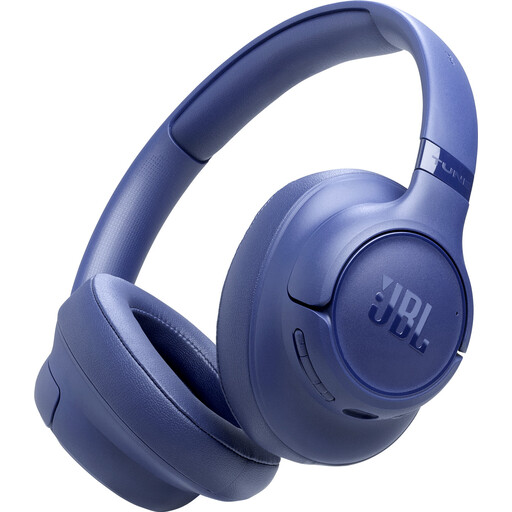 Image unavailable
Could be worth considering if you’re looking for a foldable over-ear design; check that the connection suits the way you want to monitor.
The product information lists Bluetooth 6.0 and up to 76 hours of playback time.
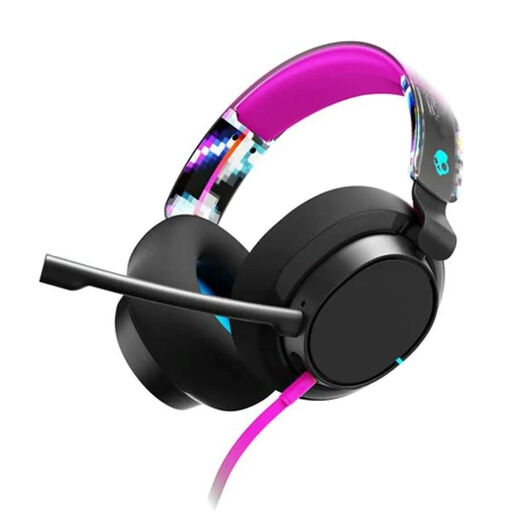 Image unavailable
Could be suitable if you’re looking for a wired over-ear headset; check that the connections match the output you want to listen through.
The product information lists USB-C and 3.5mm connections, a microphone and volume control.
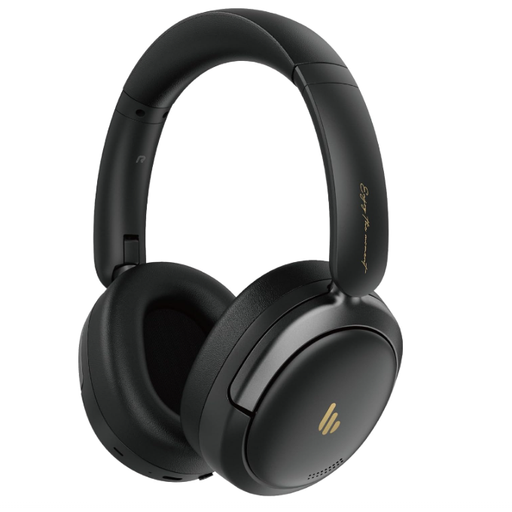 Image unavailable
Could be worth considering if you’re looking for foldable over-ear headphones; check that the listed wired connection is suitable for your equipment.
The product information lists wired USB-C audio and Bluetooth 5.4. The product name mentions hybrid active noise cancellation and up to 45 hours of playback time.
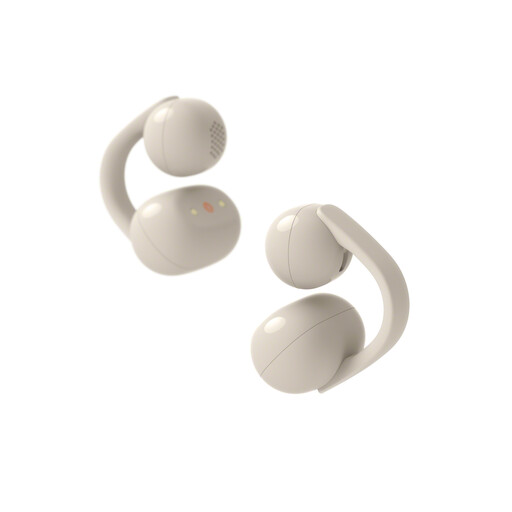 Image unavailable
The open-ear clip-on design isn’t a closed-back over-ear style, so it’s less suited to prioritising a closed-back model in a shared room.
The product information states up to 9 hours of playback on a single charge.
That depends on which signal you want to check. Listening through the deck checks the playback side; according to the Audacity Manual, you can also monitor the incoming signal through a computer or audio interface. Listen back to the recorded file as well.
No, headphones can’t fix a recording error. The Audacity Manual generally recommends connecting line-out to line-in rather than connecting a headphone output to the recording input, and advises checking the recording level on the meter. A dirty playback head can also affect the sound.
Check the headphone output on the device you want to listen through and whether the version you choose includes a suitable adapter. A headphone cable and a cable for connecting the deck to a recording input serve different purposes.
Keep the volume low and take breaks. The World Health Organization emphasises that sound level, listening time and exposure to loud sounds all matter; the volume setting alone doesn’t tell you what sound level your device and headphones produce together.
According to ACM ConsuWijzer, online purchases generally come with a statutory cooling-off period of up to 14 days after delivery, subject to applicable exceptions that the seller must tell you about in advance. You’re also covered by the statutory guarantee if the product doesn’t perform as you could reasonably expect under normal use; this doesn’t automatically mean a fixed two-year period.