Who is this buying guide for?

Mixing at a shared campsite

You want to follow small changes in a mix while conversations or other ambient sounds compete for your attention. A good seal and a manageable listening volume matter; the World Health Organization recommends well-fitting headphones to help limit the tendency to turn up the volume in noisy environments.

Mixing with a portable setup

You take a laptop and headphones with you and want to compare mix versions. Look for a useful listening reference, check that the connection works with your equipment and consider how you’ll carry the headphones.

Listening for long sessions

You listen repeatedly to small adjustments, so a comfortable headband and ear pads matter, along with a listening volume that’s easy to keep at a comfortable level.

What should you look for when choosing?

Closed-back studio headphones

Choose this option: if you’re listening at a campsite where you can hear ambient noise, or you want to keep others from hearing what you’re playing.

Bear in mind: the seal also depends on the fit; a closed-back design alone doesn’t prove that the sound is neutral.

Open-back studio headphones

Choose this option: if you can listen somewhere genuinely quiet and value the more spacious presentation of an open-back design.

Bear in mind: open-back headphones let in more ambient noise and leak more sound out, so they may be less suitable at a noisy or shared campsite.

What to consider What to look for Who should pay extra attention?
Ambient noise Check how well the ear pads seal, then listen to a familiar quiet passage in the place where you plan to use the headphones. If I want to follow small changes at a campsite where I can hear background noise without turning up the volume, sound isolation comes first. Around 33% of consumers rank sound isolation as their top buying priority.
Comparing mix changes Compare familiar passages at the same volume and check important decisions later against a second listening reference. If you mainly want to assess small differences in a mix, familiar references and a second check can help. Around 27% of consumers put reliable mix assessment first.
Portability and fit Look for a foldable design, an included case and replaceable ear pads; try the headphones on with your own glasses. If I take my headphones with me often and listen for long periods, portability and fit are important considerations. Around 20% of consumers rank comfort and portability as their top buying priority.
Connection Check your device’s output, the plug type, the included adapter and the exact model variant. If you mainly want to use the headphones with your own laptop, interface or another portable source, check the connection beforehand. Around 20% of consumers name device compatibility as their top buying priority.

Common buying mistakes

  • Assuming a wide frequency range means accurate mix reproduction

    A specification alone doesn’t tell you how a pair of headphones will make your mix sound. You could end up making important decisions based on a listening reference that isn’t right for your work.

    Compare familiar passages at the same volume, then check important mix decisions later against a second listening reference.

    Relying on a single unsuitable listening reference can mean extra corrective work.

  • Choosing open-back headphones without considering the campsite

    An open-back design blocks little ambient noise and lets sound leak out. Turning the volume up isn’t a good substitute for finding a quiet spot.

    Choose open-back headphones only if the listening spot is genuinely quiet enough; otherwise, compare a well-fitting closed-back model first.

  • Confusing model variants and included accessories

    The beyerdynamic DT 770 PRO X and the 80-ohm DT 770 PRO have different cable designs. Sennheiser also distinguishes between the carry pouch supplied with the HD 480 PRO and the case supplied with the Plus version.

    Check the full model name, plug, cable and box contents of the version you’re considering.

    If a cable, adapter or protective case isn’t included, you may need to source it separately.

Relevant brands to consider

Sennheiser

The closed-back HD 480 PRO and foldable HD 280 PRO are separate options; features of one model don’t automatically apply to the other.

  • RTINGS describes the HD 480 PRO as a closed-back studio option with balanced sound and slightly subdued treble. This is an editorial assessment, not a guarantee for every mix.
  • Sennheiser lists a carry pouch for the HD 480 PRO and a travel case for the HD 480 PRO Plus. Check the version and fit.

AKG

The closed-back, foldable K371 is a wired option if you take your headphones between workspaces.

  • AKG lists swivelling ear cups, three detachable cables and replaceable ear pads.
  • The description of the sound as neutral is AKG’s claim. Decide for yourself whether the fit and sound suit your mixing work.

Audio-Technica

The closed-back, foldable ATH-M50x is a wired option supplied with several cables.

  • Audio-Technica lists three detachable cables, a 6.3 mm adapter and a carry pouch.
  • The description of the sound as accurate is the manufacturer’s claim, not an independent comparison. Check the fit and sound with familiar reference material.

beyerdynamic

The closed-back 80-ohm DT 770 PRO and the DT 770 PRO X are separate wired options; don’t confuse their specifications.

  • For the 80-ohm DT 770 PRO, beyerdynamic lists replaceable ear pads and a 3.5 mm plug with a 6.35 mm adapter. For the PRO X, the manufacturer lists a detachable mini-XLR cable and 48 ohms.
  • Check the full model name and whether the connection works with your audio source. The manufacturer’s sound claims aren’t an independent assessment.

Sony

The closed-back, foldable MDR-7506 is a monitoring option if you want to carry your equipment and headphones compactly.

  • Sony lists a protective pouch and an adapter for 3.5 mm and 6.3 mm connections.
  • The description of the sound as detailed comes from the manufacturer. Assess the fit and how your mix sounds through the model for yourself.

Joybuy products for listening at the campsite

These portable headphones have features that may be useful for listening at the campsite, but they aren’t automatically studio headphones for assessing mixes. Use familiar references and check that the connection options work with your equipment.

Sennheiser MOMENTUM 4 Wireless in black

Sennheiser MOMENTUM 4 Wireless

The product information lists active noise cancellation and an included 3.5 mm audio cable; check that the connection works with your source and use a separate listening reference when making mix decisions.

The product name specifies a 60-hour battery life. According to the product information, this model isn’t water-resistant, so bear that in mind at the campsite.

View at Joybuy

Bose QuietComfort Ultra Bluetooth Headphones in black

Bose QuietComfort Ultra Bluetooth Headphones

The product information lists a closed-back over-ear design, active noise cancellation and an included audio cable. Check what type of connection your source has, and assess mix changes using familiar references too.

View at Joybuy
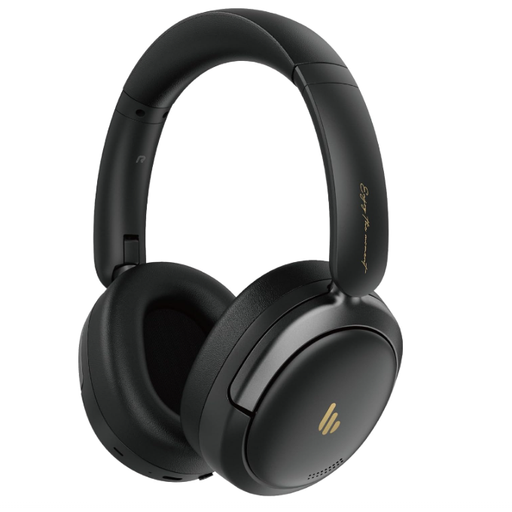
Edifier Atom Max Foldable Over-Ear Headset in black

Edifier Atom Max Foldable Over-Ear Headset

The product information lists a foldable design and Hi-Res audio via USB-C. Check that your device supports this connection and feature; these specifications alone don’t make the model suitable as a studio reference.

The product name specifies Bluetooth 5.4. Check which connection you want to use for your intended listening situation.

View at Joybuy
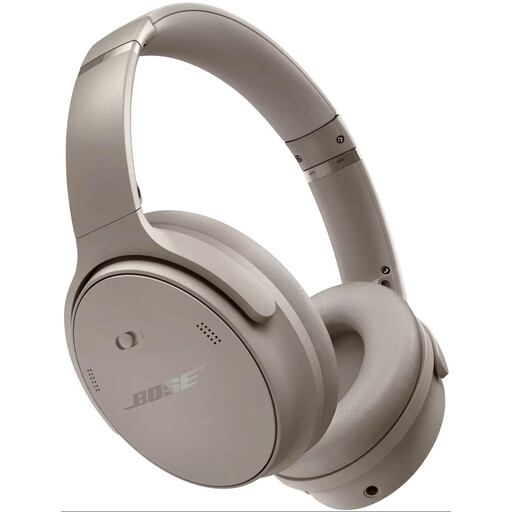
Bose QuietComfort Headphones in Sandstone

Bose QuietComfort Headphones Sandstone

The product information lists over-ear headphones with active noise cancellation. Before buying, check which connection options are included with your version, and don’t treat the model as a neutral mix reference without further checking.

View at Joybuy
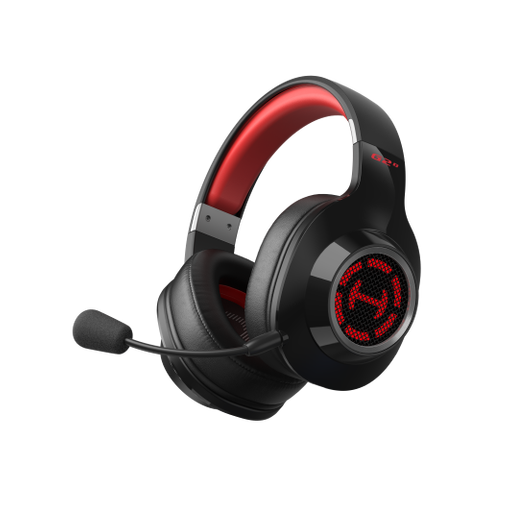
Edifier G2S Multi-Platform 7.1 Wireless Gaming Headset in black

Edifier G2S Multi-Platform 7.1 Wireless Gaming Headset

The product name describes this model as a wireless gaming headset. The product information lists active noise cancellation and a foldable design; check the connections and use a familiar listening reference when making mix decisions.

View at Joybuy

Frequently asked questions

Are open-back or closed-back studio headphones better at a campsite?

If you can hear ambient noise, a well-fitting pair of closed-back headphones is a sensible starting point. Open-back headphones may suit a genuinely quiet spot, but they let in more ambient noise and leak more sound out.

How do I connect headphones to my laptop or audio interface?

Check your device’s output and the plug on the exact model variant, and see whether a suitable adapter is included. Test the volume with your own setup: according to Focusrite, compatibility depends not only on impedance but also on factors such as sensitivity, source material and listening environment.

How should I care for headphones after using them at a damp campsite?

Audio-Technica recommends wiping its headphones with a dry cloth after use. If the materials have become wet, the manufacturer advises letting them dry in the shade after wiping them down. Also follow the care instructions for your own model.

How can I avoid turning the volume up to drown out campsite noise?

Choose well-fitting headphones and lower the volume rather than trying to drown out ambient noise. The World Health Organization gives a maximum of 40 hours per week at an average of 80 dB as an example; at higher sound levels, safe listening time decreases.

What warranty and cooling-off period apply to an online purchase in the Netherlands?

According to the Dutch Government, when you buy as a consumer you’re entitled to a product that works properly, and the seller must provide a solution if it doesn’t; there is no fixed statutory warranty period. For online purchases from a business, a 14-day cooling-off period applies in many cases. Check which terms and exceptions apply to your purchase.
