To learn a harmony part while camping, a well-fitting pair of closed-back headphones is a sensible place to start. They can help reduce background noise and sound leakage, although the actual level of isolation also depends on the fit. Sound On Sound explains the benefits of closed-back headphones for monitoring. Also consider the connection, cable length and comfort. If you’re recording yourself, check whether the backing track is picked up by the microphone and whether you can hear your own voice clearly.
Who is this relevant for?
Singer learning a part by listening
You play short passages repeatedly and want to follow the vocal line at a controlled volume, even when there’s noise around you. So check the fit and isolation before turning up the volume. Sound On Sound describes using closed-back headphones for monitoring, while the World Health Organization recommends keeping listening volume at a safe level.
Singer recording themselves
You listen to a backing track while singing or recording. In this case, sound leakage into the microphone, monitoring your own voice and connecting to your recording device all matter too. Sound On Sound explains why closed-back headphones can be useful for monitoring.
Camper with limited luggage space
You practise while travelling and want headphones and a cable that work with your device and fit in your luggage. Folding designs and detachable cables vary by model; Audio-Technica and Shure describe these features for specific models.
What should you look for when choosing?
| What to consider |
What should you look for? |
Who is this important for? |
| Hearing the vocal line |
Compare the fit and isolation using a familiar passage and the same playback device. Check whether you can follow the part without turning up the volume. |
When I’m practising with background noise around me, I want to follow the vocal line clearly without listening louder. Around 33% of consumers prioritise clear listening at a controlled volume. |
| Monitoring while recording |
Check the monitoring on your recorder or audio interface and make a test recording. See whether the microphone picks up the backing track and whether you can hear yourself clearly. |
When I record myself, I want to hear the backing track without it being distracting in the recording. Around 27% of consumers prioritise reducing leakage and having effective monitoring. |
| Connection and portability |
Compare your device’s output with the plug, any adapter and the cable length for the exact model. Also check how the headphones will fit in your luggage. |
For practising on the go, I want a suitable connection and headphones that are practical to take with me. Around 20% of consumers put connection and portability first. |
| Comfort during repeated practice |
If possible, try the fit during a session similar to your usual practice time. Also check whether the ear pads are replaceable, if that matters to you. |
When practising repeatedly, I want a fit that stays comfortable throughout my listening sessions. Around 20% of consumers prioritise comfort during extended listening sessions. |
Common pitfalls
-
Assuming ‘closed-back’ means you won’t hear anything around you
A closed-back design can reduce noise, but the fit matters too. If the seal isn’t good enough, you may be tempted to turn up the volume.
Try the headphones with your own practice material and keep the volume at a controlled level.
-
Choosing an impedance version or plug without checking your device
The beyerdynamic DT 770 PRO comes in different versions, and your playback device’s connection also determines whether you can use the headphones directly.
Before buying, compare the full model specification, plug and output on your device.
-
Assuming headphone isolation will also muffle your singing
Headphones can reduce the sound you’re listening to, but they won’t stop other campers from hearing your voice.
Think about where and when you’ll sing, and check the rules at your campsite.
Brands to compare
Audio-Technica
The ATH-M50x is a wired, closed-back option to compare for listening on the go or recording.
- Audio-Technica lists passive isolation and a detachable cable as features of the ATH-M50x.
- How well the earcups seal also depends on how they fit your head.
beyerdynamic
The closed-back DT 770 PRO is worth considering if you want to match the model version to your playback device or need replaceable parts.
- beyerdynamic offers 32, 80 and 250 ohm versions for different devices and lists replaceable ear pads.
- Check the exact version; features of one variant don’t necessarily apply to all the others.
RØDE
The closed-back NTH-100 is an over-ear option to compare if fit and a detachable cable are important to you.
- RØDE lists an adjustable headband, ear pads and a detachable cable; a 2.4 m cable is included.
- RØDE’s claims about comfort and sound detail are manufacturer claims, not an independent comparison for use at a campsite.
Shure
The closed-back SRH440A is worth considering if a flat-folding design and replaceable cable matter to you.
- Shure’s manual describes a flat-folding design and a detachable, locking cable.
- Check that the plug and fit suit your device and the way you plan to use the headphones.
AKG
The K52 is a closed-back over-ear model with a 3.5mm plug, for anyone looking for a straightforward wired connection.
- AKG lists a self-adjusting headband and low impedance.
- AKG’s claims about vocal detail and isolation are manufacturer claims; check the fit and cable arrangement in your own setup.
Joybuy products
These Joybuy picks are headphones for listening to practice material. Check the connection, fit and any limitations for camping use for each model; this list isn’t made up solely of studio headphones.
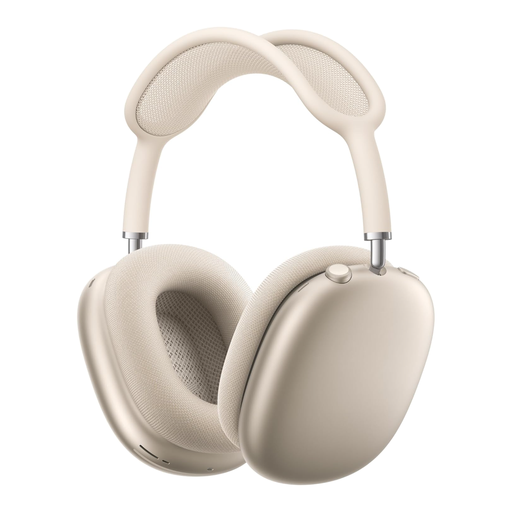 Image unavailable
AirPods Max 2 – Starlight
An over-ear option to consider if you want active noise cancellation when listening to practice material.
The product description lists active noise cancellation and a Transparency mode.
Joybuy
 Image unavailable
Sennheiser MOMENTUM 4 Wireless – Black
These over-ear headphones are an option if you want to listen both wirelessly and using a cable; check that the connection options work with your device.
The product description lists Bluetooth, a 3.5mm audio cable and up to 60 hours of playback time. It also says the headphones aren’t water-resistant, so protect them from moisture.
Joybuy
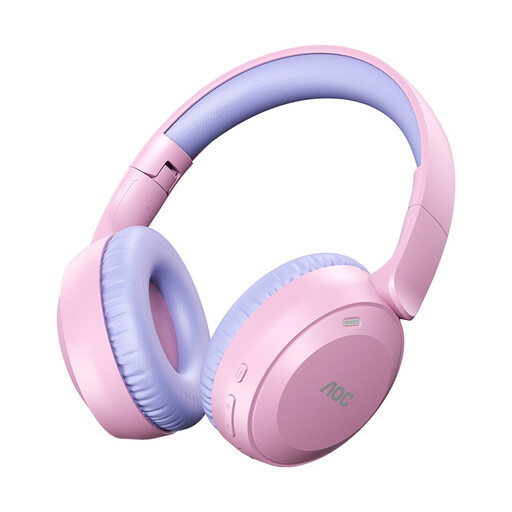 Image unavailable
AOC ACH2611 Wireless Headphones
A foldable model to consider if you want to take headphones with you; also check which connection you’ll need for practising.
The product name lists Bluetooth 6.0, a foldable design and a weight of 182 g.
Joybuy
 Image unavailable
Bose QuietComfort Ultra – Black
A closed-back over-ear option to compare if you’re considering noise cancellation and wired listening; check that the fit suits your needs.
The product description lists active noise cancellation and an audio cable with a 3.5mm connection. Bose warns in the product information against using the headphones in very humid environments.
Joybuy
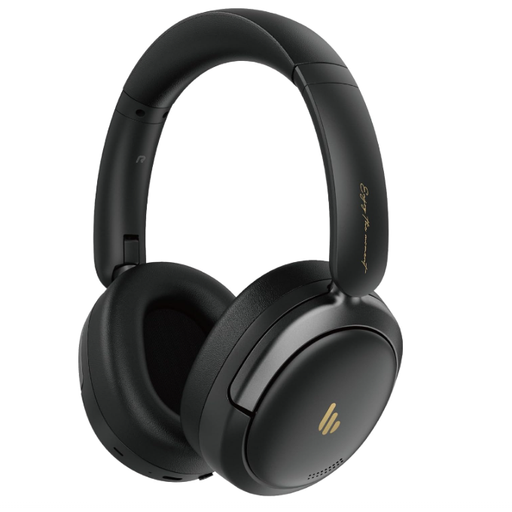 Image unavailable
Edifier Atom Max Foldable Over-Ear Headset
A foldable over-ear option to take with you; check that the wireless connection works with your playback device.
The product name lists Bluetooth 5.4. The product description states up to 45 hours of playback time.
Joybuy
Frequently asked questions
Are closed-back studio headphones enough if I’m recording myself at the same time?
Not always. A closed-back design can reduce leakage into the microphone, but test it with your own recorder or audio interface to see whether the backing track is picked up in the recording and whether you can monitor yourself clearly.
Can I connect the headphones directly to my playback device?
It depends on your device’s output and the cable supplied with the exact model. According to AKG, the K52 has a 3.5mm plug; RØDE lists a 3.5 to 6.3 mm adapter for the NTH-100. Check that the connection is compatible before choosing.
How can I avoid listening too loudly during repeated practice?
The World Health Organization recommends keeping the volume low, taking regular breaks and using well-fitting headphones, so you don’t need to turn up the volume to drown out background noise. As an example, it suggests an average of 80 dB for up to 40 hours a week for adults; this isn’t a measured level for any of the models mentioned.
What can I do if headphones bought in the Netherlands turn out to be faulty?
According to the Dutch government, you’re entitled to a product that works properly and can contact the seller if there’s a fault. The Netherlands doesn’t have a fixed statutory warranty period; what you can reasonably expect from a product depends on the circumstances. A manufacturer’s warranty is in addition to these statutory rights.
Do I have a cooling-off period if I buy from a business online?
According to the Dutch government, distance sales are often covered by a 14-day cooling-off period. Check the seller’s purchase information and any applicable exceptions. The rules for distance sales mentioned here don’t apply to online purchases from a private individual.


