Who is this for?

Groove analyst on the go

You listen back to passages to follow the kick, snare and timing. Closed-back headphones can help block out background noise. Audio-Technica describes the ATH-M40x as having a flat tuning, but you’ll need to judge for yourself whether it suits your recording.

Traveller bothered by bus noise

You want to stop engine noise or conversations distracting you from your recording. Check the fit and, for ANC models, compare how well the noise cancellation suits your needs. The Consumers’ Association (Consumentenbond) also assesses noise cancellation in its headphone tests.

Listener on long journeys

You want to keep listening without the fit, cable or connection interrupting your session. The Consumentenbond’s testing also considers comfort and cable length — practical details that can make a difference when you’re sitting on a bus.

What should you look for?

Closed-back, wired studio headphones

A good fit if: you want to replay a drum passage carefully and your playback device has a compatible wired connection.

Bear in mind: passive isolation is not the same as active noise cancellation, and a long or coiled cable can be awkward on a bus seat.

Noise-cancelling headphones

A good fit if: background noise is your main distraction during the journey and you don’t want to try to drown it out by turning up the volume.

Bear in mind: ANC alone doesn’t tell you how suitable the sound is for assessing a drum recording. Also check the controls and, for wireless models, the battery.

Open-back studio headphones

More suitable if: you’ll be listening to the recording later in a quiet room.

Bear in mind: an open-back design blocks little outside noise and lets sound leak out, so it may not be the best choice when sitting near other bus passengers.

What to consider What should you look for? Who is this important for?
Bus noise and volume Check how well the headphones seal around your ears. For ANC models, compare the noise cancellation and start at a low volume. If engine noise drowns out my recording, I want to know whether the fit or ANC will suit my journey. Around 31% of consumers prioritise bus noise and keeping the listening volume under control.
Following the drum groove If possible, listen to your own recording and compare the kick, snare and timing without turning the volume up too much. I want to follow the rhythmic passage, not just play music. A studio label doesn’t guarantee that experience. Around 31% of consumers prioritise how well the headphones reproduce the groove.
Fit and portability Check the space around your ears and the pressure from the headband. See whether the model folds up if you want to put it away. On a long journey, I want my headphones to stay comfortable and be easy to handle when I put them away. Around 23% of consumers prioritise comfort and portability.
Connection and cable Check your player’s connection, the plug or adapter, and the cable supplied with the exact variant. I want to connect my headphones to my playback device without a fuss, with a cable that works for where I’m sitting. Around 15% of consumers say the connection and cable are deciding factors.

Avoiding common buying mistakes

  • Assuming ‘studio’ means they’ll automatically suit a bus journey

    Open-back studio headphones let in background noise and can leak sound to other passengers. RTINGS describes open-back models as better suited to mixing and mastering, rather than blocking out bus noise.

    First check whether the model is closed-back, then consider its other listening features.

  • Turning up the volume to hear the groove over the bus

    The World Health Organization (WHO) points out that the risk to your hearing depends on both the sound level and how long you listen.

    Try a better fit or compare noise cancellation first. Keep the volume down and take listening breaks.

  • Treating all impedance variants as the same model for mobile use

    beyerdynamic offers the DT 770 PRO in 32, 80 and 250 ohm variants, each intended for different uses. Guidance for the 32-ohm version doesn’t necessarily apply to the other variants.

    Before buying, check the full variant name and whether its connection is compatible with your playback device.

  • Forgetting about the cable on a wired model

    Sony lists the MDR-7506 as having a 3 m cable, while Sennheiser says the HD 280 PRO has a coiled cable. Either could be less convenient on a bus seat than in a studio.

    Check the plug, cable type and available space where you’ll be sitting before choosing wired headphones.

Brands to compare

Audio-Technica

The closed-back, wired ATH-M40x and ATH-M50x are worth comparing if you’re looking for studio headphones you can put away when you’re done.

  • Audio-Technica describes the ATH-M40x as having a flat tuning. That’s the manufacturer’s description, not an independent assessment of how they’ll handle your drum recording on the bus.
  • For the ATH-M50x, the manufacturer lists a foldable design and three detachable cables. Check which cable works best for your journey.

beyerdynamic

The closed-back DT 770 PRO comes in variants for different playback devices. Check the impedance of the exact version.

  • beyerdynamic specifies the 32-ohm variant for mobile devices.
  • That recommendation doesn’t apply to the 80- or 250-ohm versions.
  • The manufacturer lists replaceable ear pads.

AKG

The closed-back, foldable K371 is a pair of studio headphones that AKG also positions for mobile use.

  • AKG lists the K371 as having an impedance of 32 ohms and a weight of 255 g.
  • AKG’s claims about isolation and sound neutrality aren’t an independent assessment of these headphones on a bus journey.

Sennheiser

The closed-back HD 280 PRO and HD 480 PRO are separate studio models, each with its own features to consider.

  • Sennheiser lists the HD 280 PRO as foldable, with replaceable ear pads. The manufacturer also specifies a coiled cable.
  • The manufacturer’s ‘up to 32 dB’ figure doesn’t guarantee that level of noise reduction on every bus seat or with every fit.

Sony

The wired MDR-7506 is a studio model to consider if compact portability isn’t your main priority.

  • Sony specifies a 3 m cable and a weight of 230 g for the MDR-7506.
  • If you’ll be using them in a bus seat, pay particular attention to the cable length. These specifications aren’t an independent listening test.

Joybuy models for noisy bus journeys

The Joybuy models shown here focus on active noise cancellation for anyone looking to reduce bus noise. That doesn’t automatically make them suitable for assessing a drum recording. Compare how they sound with your own recording and keep the volume down.

Sennheiser MOMENTUM 4 Wireless, white

Sennheiser MOMENTUM 4 Wireless, white

Active noise cancellation may help if bus noise distracts you. The product information also says you can listen using the supplied cable.

The product name states up to 60 hours of playback. The description also mentions EQ adjustments through an app.

View at Joybuy
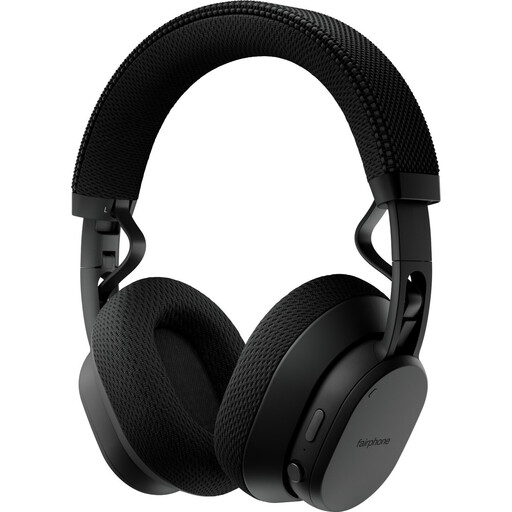
Fairphone Fairbuds XL 2025, black

Fairphone Fairbuds XL 2025, black

This closed-back over-ear model with hybrid ANC could suit you if you want to reduce bus noise and are looking for foldable headphones.

The product information lists Bluetooth, an ambient sound mode and replaceable parts, including the battery and ear pads.

View at Joybuy
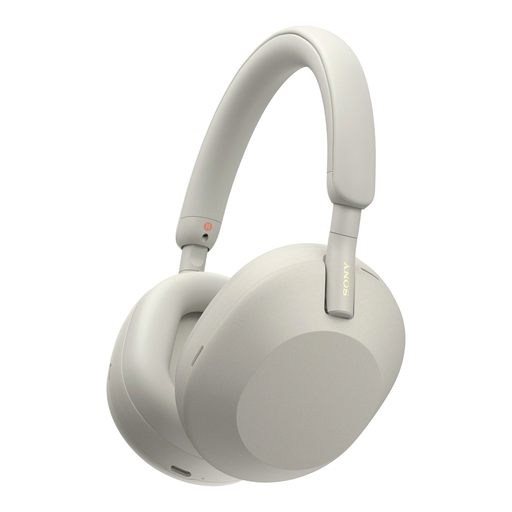
Sony WH-1000XM5, silver

Sony WH-1000XM5, silver

Active noise cancellation may be useful if background noise makes it difficult to listen back to your drum recording.

The product information lists up to 30 hours of battery life with noise cancellation switched on, and simultaneous pairing with two devices.

View at Joybuy
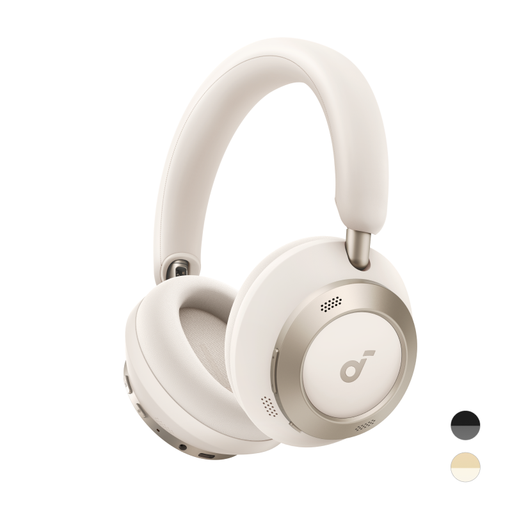
Soundcore by Anker Space One Pro

Soundcore by Anker Space One Pro

Adaptive active noise cancellation may help reduce bus noise, and the model folds up for easy storage.

The description mentions a pressure-relieving headband and memory foam ear cups.

View at Joybuy

Bose QuietComfort Ultra Headphones (2nd Gen), black

Bose QuietComfort Ultra Headphones (2nd Gen), black

These noise-cancelling headphones could suit you if bus noise is distracting and you also want the option of listening with a cable.

The product information lists a detachable cable and a foldable design. No charger is included; the recommended compatible charger is 1,8–2,5 W, and PD fast charging is not supported.

View at Joybuy

Frequently asked questions

Are open-back studio headphones suitable for a bus journey?

Open-back headphones are often less suitable for listening to drum grooves on the bus, as they let in background noise and leak sound out. They may be an option if you’ll be listening to the recording later in a quiet room.

How can I listen to a groove without turning up the volume to drown out bus noise?

Start with well-fitting headphones, consider noise cancellation if there’s a lot of background noise, and take breaks. The WHO recommends a maximum of 60% of your device’s volume as a practical setting. This doesn’t guarantee a particular decibel level on every device.

What should I check before connecting wired studio headphones to my phone?

Check your phone’s audio connection and which plug or adapter comes with the exact headphone variant. For example, the Sennheiser HD 280 PRO is described as having a 3.5mm plug and a 6.3mm adapter. This doesn’t mean it can be connected to every phone without an additional adapter.

What if the ear pads wear out after lots of travelling?

Check whether replacement ear pads are available for your model. Sennheiser lists replaceable pads for the HD 280 PRO, and beyerdynamic does the same for the DT 770 PRO. Normal wear and tear isn’t automatically covered by a warranty.

If I buy online in the Netherlands, do I have a cooling-off period and a legal guarantee?

For a standard online consumer purchase from a business, the Dutch government says you’ll often have 14 days to change your mind. Check which exceptions apply. You’re also entitled to a product that meets reasonable expectations. The Netherlands has no fixed statutory guarantee period; if something is faulty, contact the seller.
