What should you look for?
Start with the seal and fit for a shared room. Then check whether you can follow the bass line at a comfortable volume and whether the connection suits your audio source.
| What to consider |
What should you check? |
Who should pay extra attention? |
| Sound leakage in a shared room |
Choose a closed-back design and check the seal with the glasses or hairstyle you normally wear. If possible, ask your room-mate to listen while you use your usual listening volume. |
If I’m listening close to someone else, I want to avoid sound from the earcups disturbing them. Around 34% of consumers in this situation give limiting sound leakage the highest priority. |
| Distinguishing bass notes and attacks |
Listen to a familiar passage at a modest volume. Repeat a short section or slow the tempo without changing the pitch if your playback software offers that feature. |
When I’m trying to pick out notes and timing from a busy recording, I want to compare sections without continually turning up the volume. Around 33% of consumers prioritise following the bass line. |
| Comfort during repeated listening |
Try the ear pads and headband for longer than a single short passage. Also check whether replacement pads are available for the model you’re considering. |
During longer sessions, I want the fit to remain comfortable, even if the headphones seal well. For around 20% of consumers, long-term wearing comfort matters most. |
| Connection to your audio source |
Check your device’s output, the plug or adaptor you need, and the full model version. For the DT 770 PRO, beyerdynamic lists 32 Ω for mobile sources, among others, and 250 Ω for powerful, stationary sources. |
If I want to use the headphones with my own laptop, phone or interface, I need a version that’s suitable. Around 13% of consumers give certainty about the connection the highest priority. |
Joybuy products
The selection below includes headphones and headsets with different connection options and styles. Use these details to compare the connection and version; they don’t prove on their own that a model will make bass notes more accurate or prevent much sound from reaching your room-mate.
 No image available
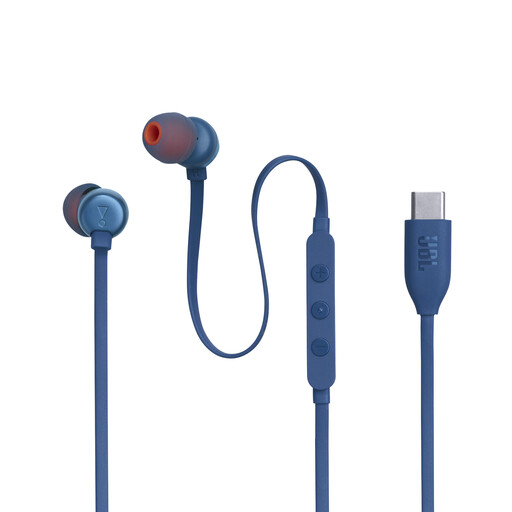
JBL Tune 310C, Blue
A wired in-ear option for listening from a device with USB-C and choosing between sound settings.
The product information lists a USB-C connection and three EQ presets: Default, Bass and Vocal.
Joybuy
 No image available
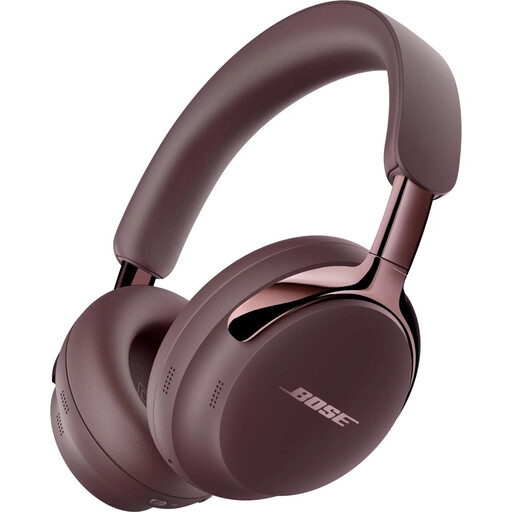
Bose QuietComfort Ultra Headphones (2nd Gen), Cherry Chocolate
An option for comparing listening over Bluetooth with a wired connection.
The product information lists Bluetooth and a detachable cable with USB-C and 3.5 mm connections.
Joybuy
 No image available
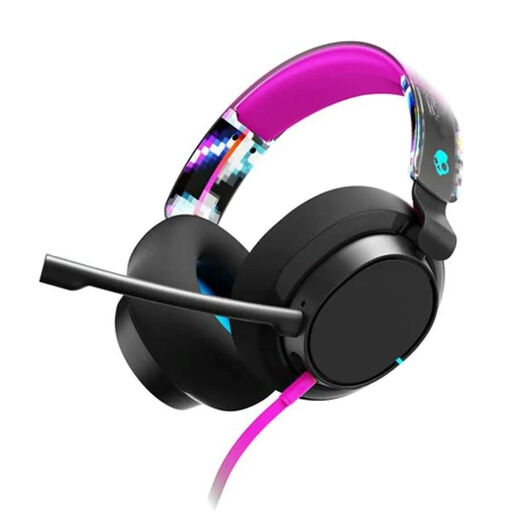
Skullcandy Slyr Pro Multi-Platform Wired Gaming Headset, Black/Red
A wired over-ear headset to compare if you need both a USB-C and a 3.5 mm connection.
The product information lists USB-C, 3.5 mm and memory foam ear pads.
Joybuy
 No image available
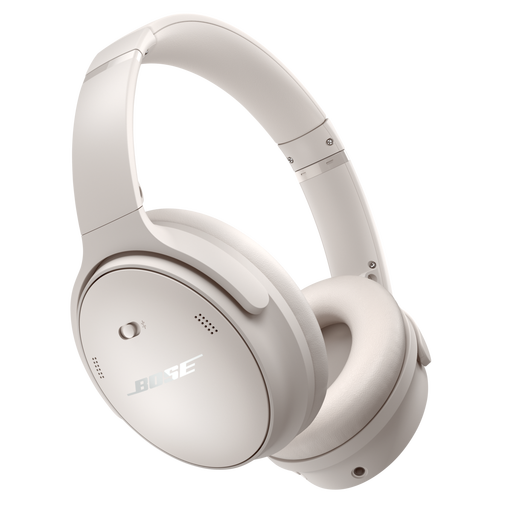
Bose QuietComfort Wireless Bluetooth Noise Cancelling Headphones, White
An option for weighing up wireless listening against listening with the included audio cable.
The product information lists Bluetooth and an included 3.5 mm to 2.5 mm audio cable.
Joybuy
 No image available
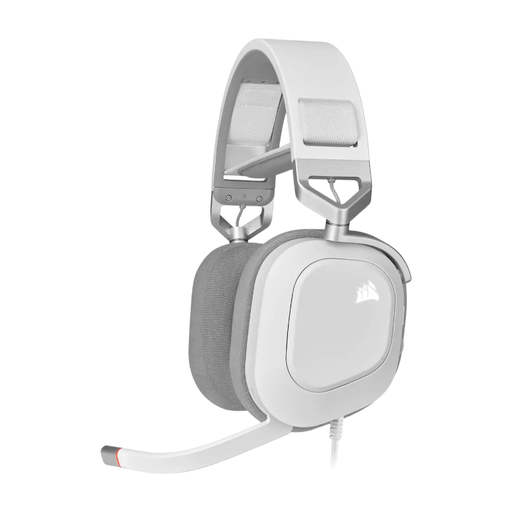
CORSAIR HS80 RGB USB Wired Gaming Headset, White
A wired headset to compare if you want to listen via USB on a computer.
The product information lists USB, 50 mm drivers, memory foam ear pads and an adjustable headband.
Joybuy
Frequently asked questions
Are open-back headphones suitable when my room-mate is around?
If you want to limit sound leakage, start with a well-fitting pair of closed-back headphones. Test at your normal listening volume to see whether the other person can still hear anything; a closed-back design doesn’t guarantee silence.
How can I slow down a tricky bass passage without changing the pitch?
If you use Audacity, its manual says you can use ‘Change Tempo’ to adjust the duration without changing the pitch. This gives you more time to check the notes and timing in a passage.
Can I simply choose the 250 Ω DT 770 PRO for a laptop?
Check your laptop’s output first. beyerdynamic lists the 32 Ω version as suitable for mobile devices, among others, and the 250 Ω version for more powerful, stationary sources. The impedance alone doesn’t guarantee that your set-up will work well.
What can I do if my headphones break too soon during normal use?
If you bought them as a consumer in the Netherlands, contact the seller. According to ACM ConsuWijzer, there’s no fixed period for the statutory guarantee. If the product doesn’t meet what you could reasonably expect during normal use, the seller must offer an appropriate solution. This is separate from any commercial manufacturer’s warranty.
Should I turn up the bass to hear more detail?
Turning it up isn’t your only option. The World Health Organization points out that both volume and listening time affect the risk of hearing damage; Thuisarts advises keeping music at a moderate volume and using a volume limiter. First, try a better fit, or repeat and slow down a short passage.


