Start with a well-fitting pair of closed-back headphones: open-back designs generally let more sound escape, making them less suitable when you’re sitting close to others in a quiet library. Then check whether you can distinguish bass notes at a modest volume, whether the ear pads stay comfortable during longer sessions and whether the connection works with your playback device. Closed-back doesn’t mean a model won’t leak any sound, so also assess the fit and sound leakage of the specific model.
Who is this guide for?
Library transcriber
You transcribe bass lines at a shared, quiet workspace and want to avoid others hearing your audio. RTINGS.com explains that closed-back headphones generally leak less sound than open-back models, although this varies from model to model.
Bass detail seeker
You want to pick out successive low notes without constantly turning up the volume. The World Health Organization points out that both volume and listening time matter.
Long-session listener
You wear your headphones for extended periods and want to assess the fit, ear pads and cable in your own workspace. Check that the ear pads feel comfortable and the cable is manageable at your desk.
What should you look for when choosing?
Closed-back, wired model
When to choose: If you listen in a library and your device has a suitable connection, this is a sensible type to compare.
Trade-off: Isolation and sound leakage vary by model and fit, so check how they perform in your own listening situation.
Open-back model
When to choose: Consider this type for somewhere that sound escaping won’t be an issue.
Trade-off: Open-back designs let more sound escape, so they’re generally less suitable when you’re sitting near other library users.
| What to consider |
What to look for |
Who is this important for? |
| Sound leakage |
Choose a closed-back design and assess how well it seals around your ears. If possible, ask someone sitting nearby to listen for sound leakage. |
When I’m working at a shared, quiet table, I want to disturb others as little as possible. Around 36% of consumers say minimising sound leakage is their top priority. |
| Picking out bass notes |
If possible, compare a familiar bass passage on your own device at the same modest volume. |
When I need to transcribe successive low notes, I want to distinguish them without constantly turning up the volume. Around 29% of consumers say picking out bass notes is their top priority. |
| Comfort |
If possible, try the headphones during a representative session and check the ear pads and pressure around your ears. |
During a long transcription session, I want my headphones to stay comfortable. Around 21% of consumers put comfort at the top of their list. |
| Connection and portability |
Check your device’s connection and see whether the cable type and length, and the headphones’ foldability, suit your setup. |
When I bring my own device, I want to be able to connect and carry my headphones conveniently. Around 14% of consumers say connection and portability are their top priorities. |
Common buying mistakes
-
Assuming a closed-back design guarantees no sound leakage
Even closed-back headphones can leak audible sound; fit and listening volume both play a part.
Assess the specific model at your usual listening volume. If possible, ask someone sitting nearby whether they can hear your audio.
-
Assuming the stated frequency range means bass notes will be clear
A specification or manufacturer’s claim won’t necessarily tell you how individual notes will sound in your recording.
If possible, compare a familiar passage on your own device at the same modest volume and check that the ear pads fit properly.
-
Assuming the manufacturer’s warranty is your only right
A manufacturer’s voluntary warranty is separate from your statutory rights if a product is faulty.
Check what any additional warranty covers. For a faulty product, contact the retailer. The Government of the Netherlands states that there is no fixed time limit for the statutory guarantee in the Netherlands.
Relevant studio headphone brands
Compare the features of the specific model with your connection, preferred fit and listening environment. The features of one model won’t necessarily apply to the whole brand.
AKG
The closed-back, foldable K371 may suit anyone looking for wired studio headphones they can take with them.
- AKG lists detachable cables and a nominal impedance of 32 Ω for the K371.
- AKG’s claims about neutral sound and bass are manufacturer claims; they don’t prove how the headphones will seal around your ears or how much sound they’ll leak.
Audio-Technica
The closed-back ATH-M40x is a wired studio model with detachable cables.
- Audio-Technica Europe lists a 3.0 m straight cable and a 1.2–3.0 m coiled cable.
- The manufacturer’s claims about tuning and isolation don’t tell you whether the cable length will work at your desk, so check it against your setup.
Sennheiser
The closed-back HD 280 PRO, article 506845, is worth considering if replaceable ear pads and isolation matter to you.
- Sennheiser lists replaceable ear pads, a coiled cable and a 3.5mm plug with a 6.3mm adapter.
- The stated attenuation of up to 32 dB is a manufacturer specification, not a guarantee of fit or sound leakage for every user.
beyerdynamic
The closed-back DT 770 PRO is available in several impedance variants.
- The manufacturer offers, among others, 80 Ω and 250 Ω variants.
- Check that your chosen variant and cable suit your playback device. The manufacturer’s claim about low frequencies isn’t a measure of how the headphones perform in a library.
Joybuy products for wired listening
This Joybuy selection includes headphones whose product information lists a wired listening option. Before choosing, check your device’s connection and whether the design and fit are suitable for a quiet workspace.
 No image available
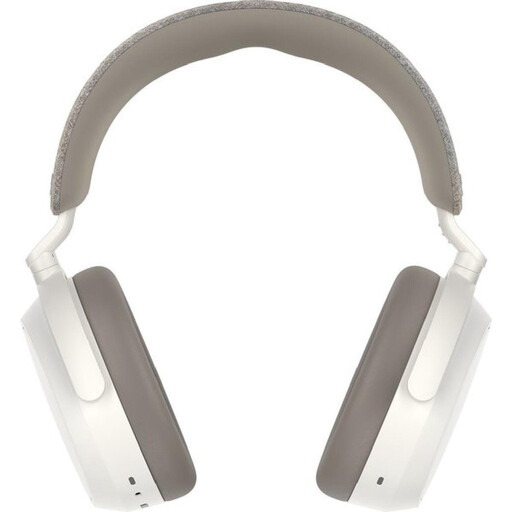
Sennheiser MOMENTUM 4 Wireless, white
The listed wired listening option may be useful if you’re listening on your own device with a suitable connection.
The product name describes wireless over-ear headphones with noise cancellation and 60-hour battery life. The product information lists adjustable EQ and wired listening via a 3.5mm audio cable.
Check that the connection and cable work with your device.
View at Joybuy
 No image available
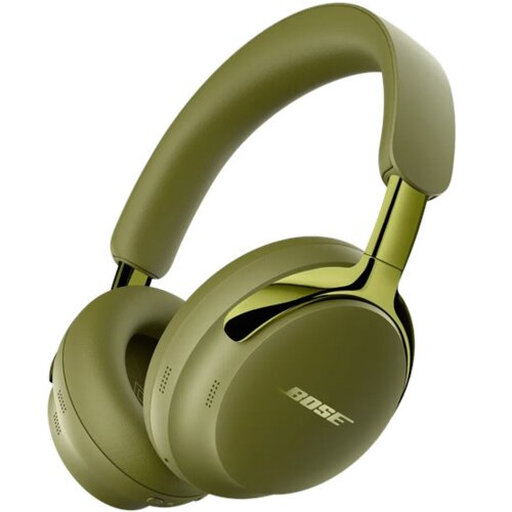
Bose QuietComfort Ultra Headphones, 2nd Gen, Olive Green
The detachable cable may be useful if you want to listen wired. Check which connection your device uses.
The product name specifies the 2nd Gen version in Olive Green. The product information lists active noise cancellation and a detachable cable with USB-C and 3.5mm connections.
Check that the cable and connection are suitable for your setup.
View at Joybuy
 No image available
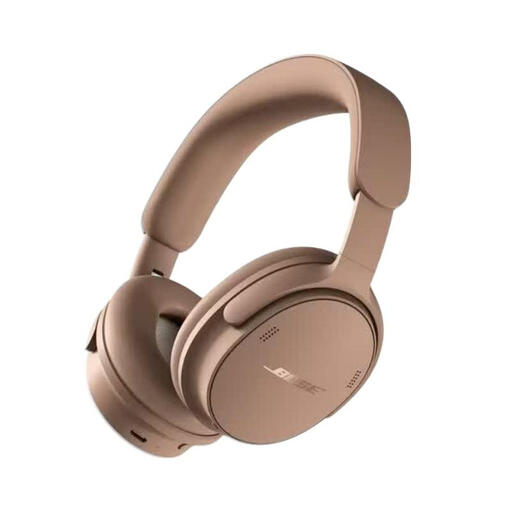
Bose QuietComfort Headphones, 2nd Gen, Hazelnut Taupe
The wired connection option described may suit you if you want to listen without Bluetooth. Check your device’s connection first.
The product information lists wired and Bluetooth listening, as well as several listening modes. The product name specifies the 2nd Gen version in Hazelnut Taupe.
Check which cable and connection you’ll need for your setup.
View at Joybuy
 No image available
Bose QuietComfort Ultra Bluetooth Headphones, black
The product information lists wired listening and a closed-back over-ear design, both worth considering when comparing headphones for library use.
The product name specifies Bluetooth and the colour black. The product information lists active noise cancellation and an audio cable for wired listening.
A closed-back design doesn’t guarantee that no sound will leak, so assess the fit and listening volume.
View at Joybuy
 No image available
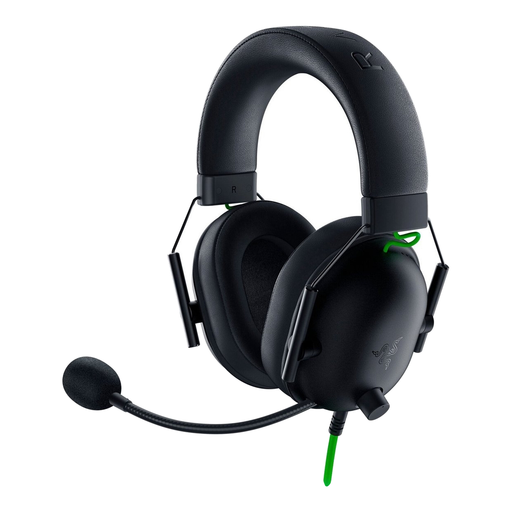
Razer Blackshark V2 X 7.1 Wired Gaming Headset, black
The wired 3.5mm connection may be useful if it’s compatible with your playback device.
The product name describes a wired gaming headset with 7.1 audio. The product information lists memory foam ear cushions.
Check that the headset style and fit are suitable for transcribing bass.
View at Joybuy
Frequently asked questions
Are open-back studio headphones suitable for a quiet library?
An open-back model is usually less suitable when you’re sitting close to others, as sound can escape more easily through open ear cups. It’s also worth checking sound leakage at your listening volume, even with a closed-back model.
How can I keep the volume at a safe level when replaying a tricky bass passage?
Don’t automatically turn up the volume to hear the notes. The World Health Organization points out that both volume and listening time matter, and gives an average of 80 dB for up to 40 hours a week as an example. This doesn’t mean that a particular volume setting on your device is equivalent to 80 dB.
What should I check before using the headphones with my laptop or phone?
Check which audio connection your device has and compare it with the headphones’ cable and plug. Audio-Technica lists detachable cables for the ATH-M40x; for the HD 280 PRO, article 506845, Sennheiser lists a 3.5mm plug with a 6.3mm adapter.
What are my rights when buying headphones online in the Netherlands?
For online purchases from a business, you’ll often have a 14-day cooling-off period; the Government of the Netherlands advises checking the applicable terms. You’re also entitled to a product that is fit for purpose. According to the Government of the Netherlands, there is no fixed time limit for the statutory guarantee in the Netherlands, and the retailer is your point of contact if a product is faulty.


