
Listener with someone asleep nearby
If someone nearby is asleep, sound leakage may make a closed-back design a better option to compare. Sound On Sound explains that sound from headphones can also be heard by other people.


If someone nearby is asleep, start with a closed-back model and check how much sound others can hear at your usual volume. If you’re alone in the room, compare an open-back or semi-open design too. Either way, assess the bass notes using your own recording, and check the fit and connection; a stated frequency range doesn’t prove how accurately your bass line will sound.
If someone nearby is asleep, sound leakage may make a closed-back design a better option to compare. Sound On Sound explains that sound from headphones can also be heard by other people.
If you’re transcribing a bass line from your own recording, you’ll want to follow the individual notes. The Consumers’ Association’s testing method includes both listening assessments and measurements of the balance between treble, mid-range and bass.
For repeated listening, fit and volume both matter. The World Health Organization emphasises that both listening volume and duration affect your sound exposure.
When: if your main concern is limiting how much sound someone nearby can hear.
Trade-off: a closed-back design doesn’t guarantee that others won’t hear anything, and by itself it says nothing about how your bass recording will sound.
When: if you’re listening alone, or sound leakage isn’t a concern, and you want to compare a more open design.
Trade-off: an open-backed design lets sound escape, so don’t expect silence next to someone who’s asleep.
| What to consider | What should you check? | Who is this important to? |
|---|---|---|
| Sound leakage | Check the design and, if possible, ask someone to listen from the intended distance while you play audio at your normal volume. | If someone nearby is asleep, I want to know first how much sound leaks out at my normal volume. Around 33% of consumers give sound leakage top priority. |
| Distinguishing bass notes | Compare the same short passage from your own source at a similar, modest volume; listen for the notes one after another. | When transcribing, I want to follow the individual notes in my own bass recording, not just hear lots of bass. Around 27% of consumers prioritise distinguishing bass notes. |
| Fit and listening volume | Try the headband and ear pads during a typical session; start quietly and take breaks rather than continually turning the volume up. | When I replay passages, I want a comfortable fit and not to have to listen louder to follow the details. Around 20% of consumers prioritise comfort and a manageable volume. |
| Connection and cable | Check your device’s audio output, the connection on the exact model and whether the cable is long enough for where you listen. | For my phone, computer or audio interface, I want to know whether the connection and cable will work in practice. Around 20% of consumers put connection convenience and cable management first. |
A stated frequency range isn’t a listening assessment of your headphones with your recording. So it doesn’t automatically tell you whether you’ll be able to distinguish the notes in a bass line.
Compare a familiar bass passage from the same source at a modest, similar volume. Listen for the individual notes.
A more open design lets sound escape, which can be inconvenient if someone nearby is asleep.
If you share a quiet space, compare closed-back models first. Consider a semi-open model if sound leakage isn’t a concern.
The plug and impedance details for the DT 770 PRO 80 Ohm apply to that specific version and don’t necessarily apply to other variants.
Check the full variant name, connection and compatibility with your playback source before ordering.
In the Netherlands, your statutory guarantee depends on what you could reasonably expect from the product; it isn’t simply the same as one fixed manufacturer’s warranty period.
Keep your proof of purchase and report any fault to the retailer. Check any manufacturer’s terms separately.
The closed-back DT 770 PRO 80 Ohm is an option to compare if you listen late; bear in mind that other DT 770 versions may have different specifications.
The closed-back ATH-M40x is worth considering if you want to compare wired studio headphones with detachable cables.
The closed-back HD 280 PRO is an alternative to include in your comparison if isolation and replaceable ear pads matter to you.
The semi-open K240 Studio is an option if you’re listening alone or sound leakage isn’t a concern.
Sony describes the wired MDR-7506 as headphones for studio and recording use.
These Joybuy headphones offer different Bluetooth or cable options. Compare them with the output on your playback source and assess the bass notes using your own recording.
 No image available
The product information lists a closed-back design and use with an audio cable; check that the connection is compatible with your playback source.
 No image available
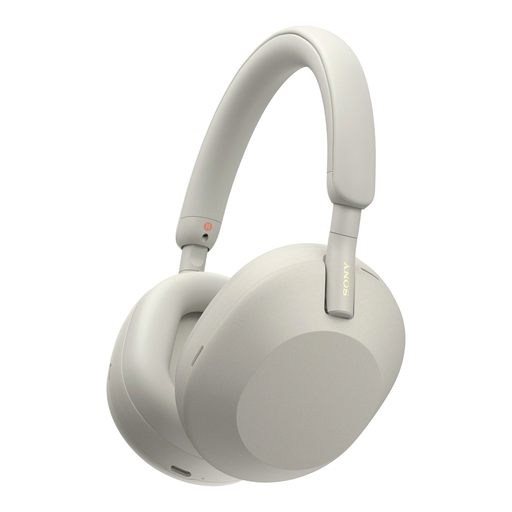
The product information lists Bluetooth and noise cancellation; check that wireless listening suits your playback source and the way you transcribe.
 No image available
The product information lists Bluetooth and active noise cancellation; check that the wireless connection is compatible with your source.
 No image available
The product information lists Bluetooth and a detachable cable with USB-C and 3.5mm connections; check which connection your source uses. The description mentions magnets and advises consulting a doctor if you have a medical implant.
Not if minimising sound leakage is your top priority: an open back lets sound escape. Even with a closed-back model, check how much others can hear at your usual volume.
First, check which audio output your device has. For the DT 770 PRO 80 Ohm, beyerdynamic lists a 3.5mm plug with a 6.35mm adapter; that doesn’t automatically mean it will work with every phone or audio interface without an additional adapter.
Check the fit during repeated listening, keep the volume low and take breaks. The World Health Organization emphasises that both volume and listening duration matter; turning the volume up won’t make hard-to-hear bass notes easier to pick out.
For a standard online product purchase, ACM ConsuWijzer says you generally have a statutory cooling-off period of up to 14 days after delivery; check before buying whether an exception applies. Separately, the product must meet what you could reasonably expect under normal use. The retailer is responsible for offering an appropriate solution if the product is faulty.