If you mainly work on bass guitar tracks in a quiet room, compare open-back wired studio headphones. If you also record or want to reduce background noise, compare a closed-back model. In either case, check the fit and connection to your audio interface, and listen to important bass decisions on a second playback system. The bright window itself doesn’t determine your choice, but do store your headphones away from prolonged direct sunlight.
Who is this choice relevant to?
Bassists fine-tuning the low-end balance
If you’re editing existing bass guitar tracks, you’ll want to check that the low end stays balanced on other playback systems too. Sonarworks points out that headphones don’t give you the same physical experience of low frequencies as loudspeakers.
Bassists who also record
If you use the same workspace for recording and monitoring, consider sound leakage into a microphone and noise from your surroundings. Sound On Sound explains that sound from open-back headphones can be heard by people in the room and picked up by microphones.
Editors who work by a window for long periods
Fit and the condition of the ear pads matter during long sessions. Store your headphones away from prolonged direct sunlight after use; beyerdynamic warns that sunlight can damage the foam in ear pads.
What should you look for when buying?
Start by choosing according to your recording environment: open-back headphones are more suited to editing in a quiet room, while closed-back headphones are worth considering if you also record or want to block out noise.
Open-back, wired
When: you mainly edit bass guitar tracks in a quiet room and sound leakage isn’t a concern.
Trade-off: sound can leak out and noise from your surroundings can get in; check important bass decisions on another playback system too.
Closed-back, wired
When: you record as well as edit, use a microphone or are bothered by noise in the room.
Trade-off: isolation also depends on the fit; a closed-back design isn’t automatically the most accurate choice for bass for everyone.
| What to consider |
What should you look for when buying? |
Which consumers does this matter most to? |
| Assessing bass balance |
Listen to familiar reference tracks and check important low-end decisions on another playback system too; beyerdynamic notes that how the ear pads fit can affect the bass you hear. |
When I edit existing bass tracks, I want to know whether my low-end decisions hold up beyond my headphones. Around 39% of consumers prioritise a reliable assessment of bass. |
| Isolation when recording |
Decide whether you’ll be recording at the same time and check how the ear cups fit around your ears. Sound On Sound explains that sound from open-back headphones can reach a microphone. |
If I also record or am bothered by noise in the room, reducing sound leakage and background noise is important. Around 23% of consumers give recording isolation top priority. |
| Fit and care |
Check whether replacement ear pads are available for the exact model and store your headphones away from direct sunlight; according to beyerdynamic, prolonged exposure can damage the foam. |
During long sessions by a window, I want a comfortable fit that lasts and to know how to replace worn pads. Around 23% of consumers prioritise comfort and care. |
| Connection and cable |
Compare the plug, any adapter and cable length with your interface’s headphone output and your workspace layout. |
When I connect my headphones to my own audio interface, the connection needs to be practical. Around 15% of consumers start with the connection and cable. |
Common buying mistakes
-
Treating the stated frequency range as proof of accurate bass
The fit and how the ear pads sit can affect the bass you hear. What’s more, listening through headphones doesn’t automatically translate to what you’ll hear on loudspeakers.
Compare familiar music with a comfortable fit, and check important bass decisions on another playback system.
-
Choosing an open-back model when you also record next to a microphone
Sound from open-back ear cups can carry into the room and be picked up by a microphone.
If you also record, compare a closed-back model. Don’t let the bright window alone make the decision for you.
-
Leaving your headphones on a sunny windowsill for a long time
According to beyerdynamic, prolonged exposure to sunlight can damage the foam in the ear pads. Worn pads can also change the fit.
Store your headphones away from direct sunlight and check whether replacement pads are available for the exact model.
Brands to compare
beyerdynamic
The open-back DT 900 PRO X and closed-back DT 700 PRO X offer two designs to compare for editing and recording or monitoring respectively.
- According to beyerdynamic, both models have a detachable cable, a nominal impedance of 48 ohms and a 3.5 mm plug with a 6.35 mm adapter.
- The models differ in their acoustic design. Check the fit and whether the connection is suitable for your interface.
Sennheiser
The open-back HD 490 PRO is a model to compare if editing and mixing in a quiet room are your main priorities.
- Sennheiser lists two sets of interchangeable ear pads and a detachable cable.
- The description of the low-frequency response is a manufacturer’s claim. An open-back design is less suitable if sound leakage while recording is a concern.
Audio-Technica
The closed-back ATH-M40x is a wired model to compare if you also need isolation while monitoring.
- Audio-Technica lists two detachable cables and swivelling ear cups.
- The brand’s claim of accurate tuning isn’t an independent measurement of the bass response on your head.
AKG
The closed-back, foldable K371 is a model to compare for monitoring and editing.
- AKG Netherlands lists three detachable cables and replaceable ear pads.
- Claims about neutral tuning and isolation come from AKG; assess for yourself how the ear pads fit.
Sony
The MDR-7506 is a model to compare for recording and studio use.
- Sony lists a 3 m cable and a weight of 230 g.
- Check whether the cable length works for your desk; Sony’s claims about sound quality and comfort aren’t a fit test for you personally.
Joybuy products
Joybuy product picks related to this topic.
 No image available
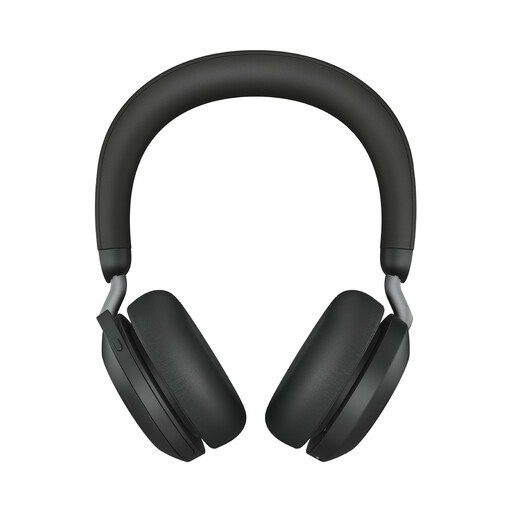
Jabra Evolve2 75 USB-A MS Teams, black
Compare this version if USB-A and the MS Teams variant suit your equipment; check important bass decisions on a second playback system too.
View at Joybuy
 No image available
Sennheiser MOMENTUM 4 Wireless, black
The product description mentions wired, passive listening via a 3.5 mm cable; check that the connection is suitable for your audio interface.
The product name mentions noise cancellation, 60-hour battery life, fast charging and four microphones. The product description mentions a padded headband and deep ear pads.
View at Joybuy
Frequently asked questions
Can I make a definitive assessment of bass balance using studio headphones alone?
Check important low-end decisions on another playback system too. The way the ear pads fit can affect the bass you hear, and headphones don’t give you the same physical experience of low frequencies as loudspeakers, as Sonarworks explains.
What should I look for when checking the connection?
Compare the plug, any adapter and the cable length of the exact model with your headphone output and workspace layout. According to beyerdynamic, the DT 900 PRO X and DT 700 PRO X come with a 3.5 mm plug and a 6.35 mm adapter.
How should I care for headphones next to a sunny window?
Store your headphones away from prolonged direct sunlight and look out for flattened ear pads or ones that no longer fit properly. beyerdynamic warns that prolonged exposure to sunlight can damage the foam and that worn pads can affect the bass you hear.
What are the cooling-off period and warranty rules for online purchases in the Netherlands?
According to ACM ConsuWijzer, online consumer purchases generally come with a statutory cooling-off period of up to 14 days after delivery; check the applicable exceptions and returns policy. You’re also entitled to a product that meets the expectations you’re entitled to have of it. This statutory right isn’t automatically limited to a fixed manufacturer’s warranty period.
What’s a sensible volume for long listening sessions?
Avoid listening at a high volume for long periods. The World Health Organization gives 80 dB for a maximum of 40 hours per week as an example, and stresses that safe listening time decreases as the sound level rises. This isn’t a product specification or a set position for your volume control.


