Who is this guide for?

Bass player looking to fine-tune the low end

You edit, correct or balance bass guitar tracks and want to judge how the bass and kick sit together. Look beyond the stated frequency range alone; Sonarworks explains why listening on headphones is different from listening on large monitors.

Creator working at a shared desk

You work close to other people or record from time to time. So you’ll want to consider sound leakage and isolation; check the model information and how the headphones fit you.

Editor with limited desk space

You want to consider fit and how the cable runs across your workspace during longer sessions. The cable lengths of models such as the Audio-Technica ATH-M50x and AKG K371 can help you compare the practical options.

What should you look for when choosing?

Closed-back headphones

A good fit if: you also record or work at a shared desk and want less sound leakage.

Bear in mind: a closed-back design doesn’t guarantee a neutral bass response or complete silence for those around you.

Open-back headphones

A good fit if: you mainly edit somewhere quiet and sound leakage isn’t an issue.

Bear in mind: an open-back design won’t provide the isolation you may need when recording or working next to someone else.

What to consider What should you check? Who is this important for?
Judging bass and kick Compare familiar tracks and check your mix on another playback source too. Sonarworks points out that listening on headphones doesn’t give you the same physical perception of low frequencies as large monitors. If I want to balance the bass and kick in a track, I want to compare my judgement with familiar recordings. Around 33% of consumers give judging bass their top priority.
Sound leakage and isolation Decide whether you also record, and check how much sound someone sitting next to you can hear at your usual listening level. According to manufacturers’ descriptions, open-back and closed-back models meet different isolation needs. If you work next to other people or monitor while recording, the level of isolation you need matters. Around 27% of consumers prioritise this need.
Fit and cable clearance Check the cable supplied and, if possible, try the headphones during a normal work session. Audio-Technica lists a 1.2 m straight cable for the ATH-M50x; AKG lists several detachable cable lengths for the K371, including 1.2 m and 3 m. If I work at a small desk for long periods, I want the fit and cable to stay out of the way. Around 20% of consumers put practical comfort first.
Connection and output Check the full model variant, impedance, plug and any adapter required. beyerdynamic lists different impedance ratings for the DT 770 PRO 80 ohm and DT 900 PRO X 48 ohm; check that your own output provides a usable listening level. If you already have a laptop or audio interface, you’ll want to know whether the chosen version connects to it and provides enough output. Around 20% of consumers start with compatibility.

Common mistakes

  • Assuming a wide frequency range proves bass accuracy

    The specification alone won’t tell you how you’ll judge the balance between bass and kick with your fit and material.

    Compare familiar passages and check your edits on another playback source.

  • Choosing open-back headphones when you also record or work next to someone

    Open-back and closed-back models meet different needs for sound leakage and isolation.

    First decide whether sound leakage is acceptable in your usual working environment.

  • Overlooking the model variant, cable or output

    The DT 770 PRO 80 ohm and DT 900 PRO X 48 ohm have different stated impedance ratings. A cable running across your workspace can also get in the way.

    Compare the full model name, plug, supplied cable and your own audio output before choosing.

Brands and models to consider

beyerdynamic

The DT 770 PRO 80 ohm and DT 900 PRO X offer different design options: closed-back and open-back.

  • beyerdynamic lists replaceable earpads for the DT 770 PRO 80 ohm.
  • According to beyerdynamic, the DT 900 PRO X has an open-back design, a detachable cable and an impedance of 48 ohm.
  • These features apply to the models named; check the full variant. They don’t, by themselves, determine how you’ll judge the bass.

Audio-Technica

The closed-back ATH-M50x is a model to consider when weighing up the supplied cables and isolation.

  • Audio-Technica lists three supplied cables, including a 1.2 m straight cable, as well as passive isolation.
  • These are model specifications and manufacturer descriptions, not independent confirmation that the bass response will suit every editor.

AKG

The closed-back K371 is an option for comparing cable choice and isolation together.

  • AKG lists several detachable cables and replaceable earpads for the K371.
  • Descriptions of a neutral sound and isolation are AKG’s claims; check your own fit and how you judge the low end.

Sennheiser

The open-back HD 490 PRO and the separate open-back HD 560S are models to compare if isolation isn’t essential.

  • Sennheiser lists detachable cables and replaceable earpads for the HD 490 PRO; the HD 560S is described as an open-back 120 ohm model.
  • Claims about accuracy come from the manufacturer. Open-back models don’t offer the isolation you may need in some recording or shared-work situations.

Sony

The closed-back, foldable MDR-7506 is worth including in a comparison if compact storage matters.

  • Sony lists a supplied 3.5 mm to 6.3 mm adapter.
  • The description of neutral monitoring is a manufacturer claim; compare the bass response and fit for yourself.

Joybuy products

The Joybuy products below are headphones and headsets. For each version, check that the connection and how you work are suitable for editing bass guitar tracks over a wired connection.
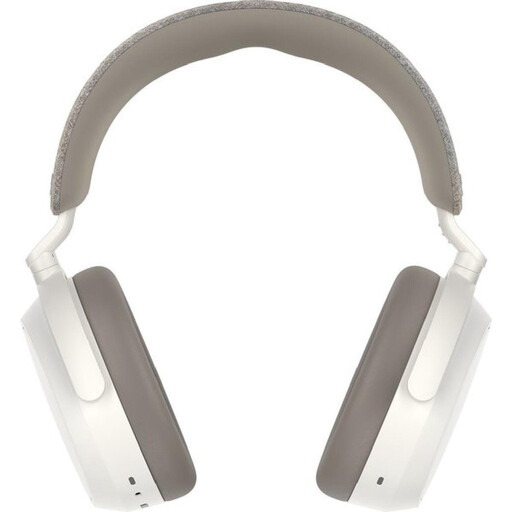
Sennheiser MOMENTUM 4 Wireless headphones, white

Sennheiser MOMENTUM 4 Wireless, white

The product name describes this model as wireless over-ear headphones. Check that the connection and how you work suit your editing setup.

Joybuy
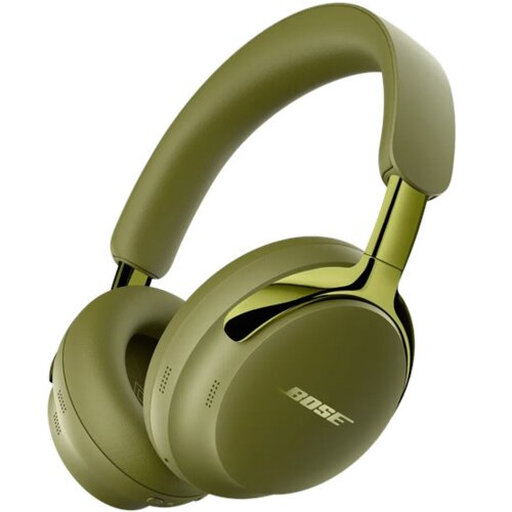
Bose QuietComfort Ultra Headphones (2nd Gen), olive green

Bose QuietComfort Ultra Headphones (2nd Gen), Olive Green

Before choosing this model, check that the connection and version suit your wired editing setup.

Joybuy
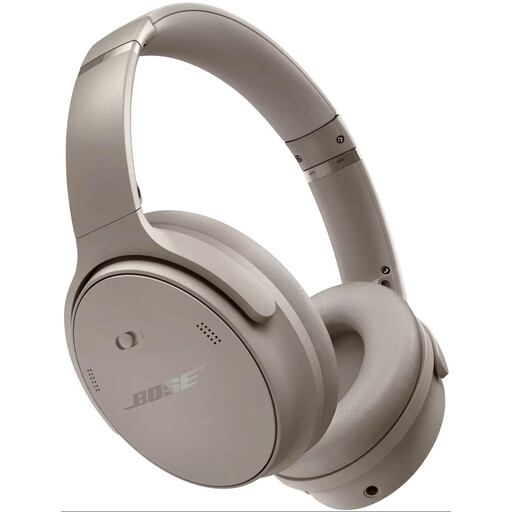
Bose QuietComfort headphones, sandstone

Bose QuietComfort, Sandstone

Before choosing this model, check that the connection and version suit your wired editing setup.

Joybuy
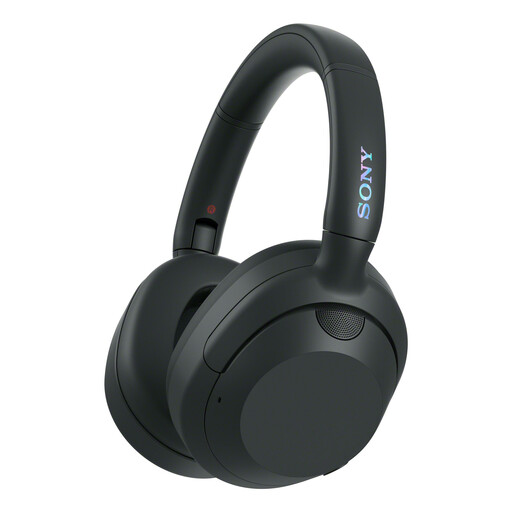
Sony WH-ULT900N ULT Wear noise-cancelling over-ear headphones, black

Sony WH-ULT900N ULT Wear, black

The product name describes these as over-ear headphones with noise cancelling. Check that the connection and how you work suit your bass editing needs.

Joybuy
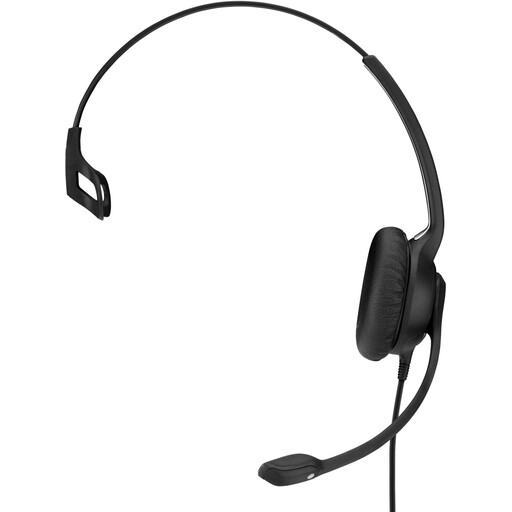
EPOS | SENNHEISER IMPACT SC 230 USB MS II wired OE headset, black

EPOS | SENNHEISER IMPACT SC 230 USB MS II Wired OE Headset, black

According to the product description, this is a single-sided headset for contact centre and office use, so it’s less directly suited to editing bass tracks. Check the connection and wearing style for your setup.

Joybuy

Frequently asked questions

Can I choose headphones for bass based on the stated frequency range?

No, not as your only guide. Compare familiar bass and kick passages on the headphones and check the result on another playback source; listening on headphones doesn’t give you the same physical experience of low frequencies as large monitors, as Sonarworks explains.

What should I check before connecting headphones to my laptop or audio interface?

Check the full model variant, connection, any adapter required, cable length and the usable listening level from your own output. According to beyerdynamic, the DT 770 PRO 80 ohm and DT 900 PRO X 48 ohm have different impedance ratings; don’t assume versions are equivalent based on their model names alone.

When should I check or replace the earpads?

Check the earpads for wear or deformation, and look for suitable replacements for your model. Sonarworks reports that worn earpads can change the frequency response in certain bands, depending on the model.

How can I reduce risk during long editing sessions?

Keep the listening level manageable and take breaks. The World Health Organization points out that both sound level and exposure time affect the risk to your hearing; your computer’s volume setting doesn’t tell you what level is reaching your ears.

What rights apply to an online purchase in the Netherlands?

For a qualifying distance purchase by a consumer, you generally have a 14-day cooling-off period, subject to exceptions explained by the Dutch Government. If a product is faulty, you can also contact the seller; there is no fixed statutory guarantee period that applies to every product.
