Who needs headphones for bass guitar editing?

Editor working alongside colleagues

Edits bass guitar tracks at a shared desk and wants to minimise distractions and sound leakage. RTINGS describes open-back headphones as models that leak sound and do little to block out background noise. So, at a shared workstation, compare closed-back models for fit and how well they seal.

Bass balance checker

Wants to assess the bass guitar and kick drum, and check how the mix sounds on another familiar playback system. Sonarworks explains that headphones present sound differently from speakers, so a second listening check can be useful.

Long-session desk editor

Works for extended periods at a time, so pays attention to fit, the cable and parts that can wear out. Check which cables and replacement parts are available for the exact model.

What should you look for when choosing?

What to consider What to look for Who is this important for?
Isolation and sound leakage Check that the ear cushions fit snugly, and compare closed-back and open-back designs for your workspace. If I work alongside colleagues, I want fewer distractions and less sound leakage. Around 33% of consumers say isolation at a shared desk is their top priority.
Bass balance Use familiar reference tracks and check important low-end decisions on another familiar playback system too. If bass guitar and kick drum are central to my edits, I want to know how the mix sounds beyond my headphones. Around 27% of consumers prioritise making reliable decisions about the low end.
Comfort Assess the fit, the pressure from the headband and ear cushions, and the parts available for the exact model. For long editing sessions, I want a fit I can wear comfortably over time. Around 20% of consumers say comfort during extended use is their main consideration.
Connections and maintenance Check your device’s output, the required plug size, the adapter and cable supplied, and compatible replacement parts. If I connect my headphones to a specific interface, I want to know whether the cable and plug will fit and how to replace worn parts. Around 20% of consumers prioritise connections and maintenance.

Which buying mistakes can you avoid?

  • Treating a stated frequency range as proof of accurate bass reproduction

    A frequency range on its own doesn’t tell you how the low-end balance will affect your mix decisions or sound on other speakers.

    Compare familiar tracks, and check important bass guitar and kick drum decisions on another familiar playback system too.

    If the mix sounds different on other systems, you may need to make extra revisions.

  • Choosing an open-back model without considering your colleagues

    Open-back headphones leak sound and do little to block out background noise, which can be distracting at a shared desk.

    First decide whether sound leakage is acceptable in your workspace. If not, compare closed-back models and pay attention to fit.

  • Confusing maintenance with a warranty

    Replaceable parts vary by model. According to the Dutch government, there is no fixed general statutory warranty period in the Netherlands; normal wear and tear doesn’t automatically entitle you to a free repair.

    Check which parts are available for the exact model variant, and distinguish between normal wear and a faulty product. If the product is faulty, contact the seller.

    Ear cushions or cables that wear out through normal use may need replacing and require maintenance.

Which brands are worth considering?

beyerdynamic

The closed-back DT 770 PRO 80 ohm is worth comparing for a shared desk.

  • beyerdynamic lists a 3,5-mm plug with a 6,35-mm adapter, and says the ear cushions, headband and cables are replaceable.
  • Check that your device’s output is suitable for the 80-ohm variant. The stated frequency response doesn’t prove how neutral the bass will sound to you.

AKG

The closed-back K371 is an over-ear option worth comparing for bass work at a shared desk.

  • AKG lists an impedance of 32 ohm and a detachable cable.
  • AKG’s claims about neutral tuning and bass reproduction from the sealing ear cushions come from the manufacturer; fit and seal can vary from person to person.

Audio-Technica

The closed-back ATH-M50x is worth considering if you want to compare different cable options at your desk.

  • According to Audio-Technica, three interchangeable cables and a 6,3-mm adapter are included.
  • Audio-Technica’s claims about accurate, deep bass come from the manufacturer; assess the low-end balance using familiar reference material.

Sennheiser

The open-back HD 400 PRO may suit quieter moments when sound leakage is acceptable and spatial mix checks are a priority.

  • Sennheiser lists replaceable ear cushions and a detachable cable.
  • The open-back design leaks sound, making it less suitable alongside colleagues. Also check that your output is suitable for these 120-ohm headphones.

Sony

Sony describes the MDR-7506 as a studio reference and lists a 3 m cable.

  • Sony lists a weight of 230 g and a frequency range of 10–20 kHz.
  • These specifications alone don’t prove that the headphones will feel comfortable to you or deliver neutral bass reproduction.

Joybuy products related to this topic

This selection includes over-ear headphones whose product information lists a wired connection option. For bass guitar editing, check that the connection works with your own equipment, and don’t treat product features as proof of neutral bass reproduction.
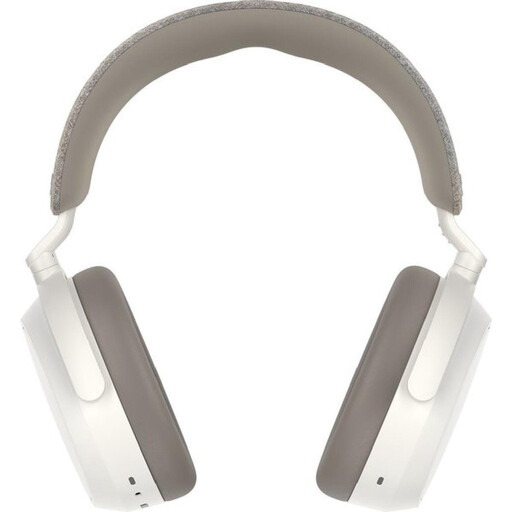
Sennheiser MOMENTUM 4 Wireless, white

Sennheiser MOMENTUM 4 Wireless – White

The supplied audio cable may be useful if you want to listen wired at your desk; this is a wireless model.

The product description lists a supplied 3,5-mm audio cable.

View at Joybuy
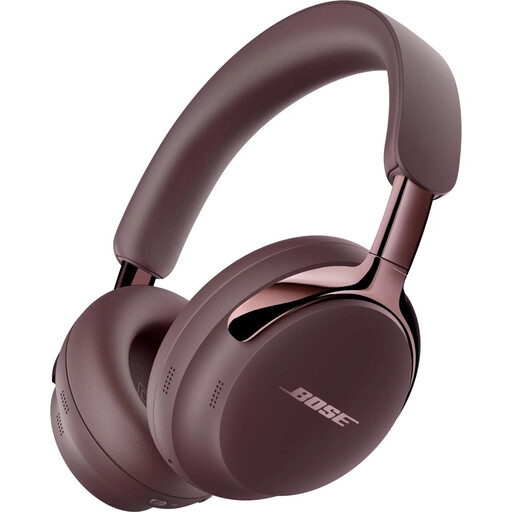
Bose QuietComfort Ultra Headphones (2nd Gen), Cherry Chocolate

Bose QuietComfort Ultra Headphones (2nd Gen) – Cherry Chocolate

The listed cable options may come in handy if you need a wired connection at your desk.

The product description lists a detachable cable with USB-C and 3,5-mm connections.

View at Joybuy
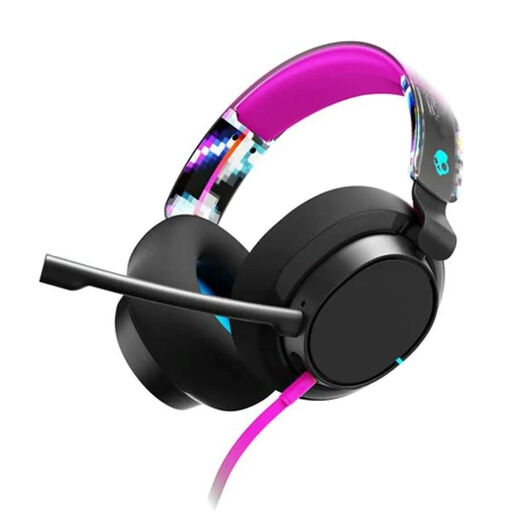
Skullcandy SLYR Pro Multi-Platform Gaming, wired, black and red

Skullcandy SLYR Pro Multi-Platform Gaming Wired – Black/Red

This wired gaming headset may be worth considering if you’re looking for a wired over-ear option; check that the connections work with your audio equipment.

The product information lists USB-C and 3,5-mm connections and memory foam ear cushions.

View at Joybuy
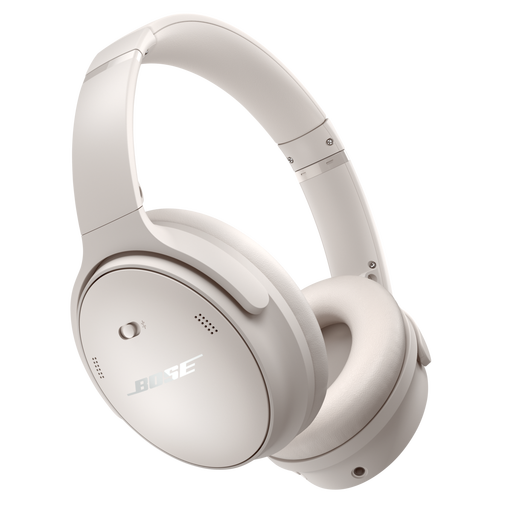
Bose QuietComfort Wireless Bluetooth Noise Cancelling Headphones, white

Bose QuietComfort Wireless Bluetooth Noise Cancelling Headphones – White

The product description mentions a wired connection; check the cable and plug size for your audio interface.

The description lists a closed-back over-ear design, an audio cable and a 3,5-mm to 2,5-mm connection.

View at Joybuy
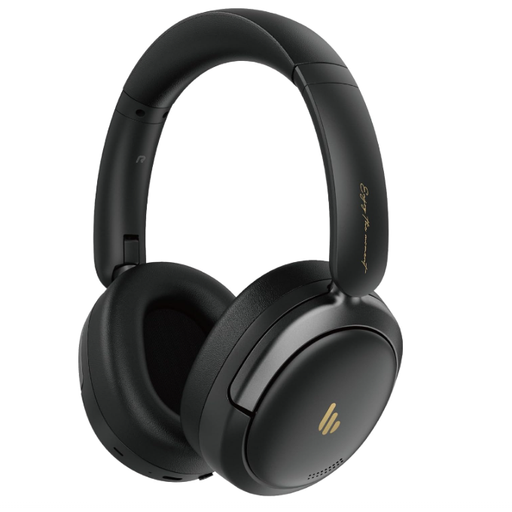
Edifier Atom Max Foldable Over-Ear Headset, black

Edifier Atom Max Foldable Over-Ear Headset – Black

The listed wired USB-C connection may be useful if your audio equipment supports it.

The product description lists a wired USB-C connection for Hi-Res audio.

View at Joybuy

Frequently asked questions

Do I always need to choose a closed-back model for bass guitar editing at a shared desk?

No. A closed-back model is usually more practical if sound leakage could bother your colleagues or distract you. An open-back model may suit a quiet workspace where leakage isn’t an issue.

Is the stated frequency range enough to assess bass reproduction?

No. The frequency range alone doesn’t tell you how the low-end balance will work for your mix. Use familiar reference tracks and check important bass decisions on another familiar playback system too.

What should I check before connecting headphones to my audio interface?

Check your device’s output, the required plug size, and which cable and adapter are supplied with the exact variant. According to the manufacturer, the beyerdynamic DT 770 PRO 80 ohm has a 3,5-mm plug with a 6,35-mm adapter; Audio-Technica lists a 6,3-mm adapter for the ATH-M50x.

How can I reduce wear and risk during long listening sessions?

Check the ear cushions for wear and use suitable replacement parts when needed. Keep the volume down and take listening breaks: the World Health Organization emphasises that both sound level and exposure time matter.

What are my rights when buying online in the Netherlands?

For many distance purchases from a business, you have 14 days to change your mind, according to the Dutch government; check whether an exception applies. You’re also entitled to a product that works as it should. There is no fixed general statutory warranty period in the Netherlands, and if a product is faulty, contact the seller.
