
Mixing backing vocals in a quiet room
You’re mainly assessing vocal layers and how they sit together, without recording at the same time or having to contend with audible background noise.


If you’re mixing in a quiet room and aren’t recording vocals at the same time, start by comparing open-back studio headphones. If you’re also recording vocals with a microphone, or outside noise is disrupting your listening, compare closed-back models for their reduced sound leakage and passive isolation. A bright window alone won’t determine which to choose: check the sound in your workspace, the connection, the fit and where you’ll store your headphones.
You’re mainly assessing vocal layers and how they sit together, without recording at the same time or having to contend with audible background noise.
You use a microphone while recording vocal takes and want to prevent headphone sound from getting into the recording. Shure describes closed-back headphones as suitable for studio recording where sound leakage needs to be kept to a minimum.
Noise around your workspace can affect your listening decisions. In that case, passive isolation may matter more than choosing an open-back design.
Choose this option: if the room is quiet and you’re mainly assessing the balance and placement of backing vocals.
Bear in mind: background noise gets in more easily and sound escapes more easily, which can be inconvenient when using an active vocal microphone.
Choose this option: if you’re also recording with a microphone or outside noise is disrupting your mixing.
Bear in mind: a closed-back design offers some passive isolation, but it won’t make a noisy room quiet.
| What to consider | What should you look for? | Who should give this more weight? |
|---|---|---|
| Detail and placement | Compare open-back models using familiar recordings in the room where you mix; check that they connect to your audio interface. | If I mainly want to assess vocal layers and their placement, I’ll first look at an open-back design for a quiet room. Around 31% of consumers give critical listening for mixing their top priority. |
| Sound leakage during recording | Assess sound leakage at your usual monitoring volume and with the fit you’ll actually wear. | If you’re recording backing vocals with a microphone, you’ll want to prevent the headphones from being audible in the take. Around 31% of consumers put reducing this spill first. |
| Noise by the window | Listen at your workspace while mixing as you normally would; a closed-back design offers some passive isolation. | If outside noise disrupts my mixing decisions, isolation matters more to me than an open-back design. Around 23% of consumers put reducing background noise first. |
| Fit and care | Try the headphones during a longer session and check which compatible cables or ear pads are available. Don’t store the ATH-M50x in direct sunlight, as Audio-Technica advises in the manual. | During long sessions, I want a comfortable fit that lasts and to know how to care for the model. Around 15% of consumers give wearing comfort and maintenance their top priority. |
When you’re using an active microphone, sound from open-back headphones can get into the recording.
If you’re also recording vocals, compare a closed-back model and assess sound leakage at your usual monitoring volume.
How bright the window is doesn’t tell you whether background noise will disrupt your listening; that depends on what you can actually hear at your workspace.
Assess the sound during a typical mixing session before deciding how much isolation you need.
The DT 770 PRO is available in several impedance versions. For the 80-ohm version, beyerdynamic lists a 3.5 mm plug with a 6.35 mm adapter.
Check the full model variant and the plugs included, then compare them with the output on your audio interface.
Audio-Technica advises in the manual against storing the ATH-M50x in direct sunlight.
After use, put this model somewhere out of direct sunlight. For other models, follow their own care instructions.
The open-back DT 900 PRO X and closed-back DT 770 PRO are different options for mixing, and for monitoring or recording, respectively.
Sennheiser positions the open-back HD 490 PRO for production and mixing, and offers separate sets of ear pads.
The closed-back SRH840A is an option to compare if you record as well as mix, or are looking for passive isolation.
The closed-back ATH-M50x is a studio monitoring option supplied with several cables.
Sony positions the MDR-7506 for recording and studio use.
Below are general headphone options on Joybuy. Before using them for studio work, check that the connection and design suit your audio interface and mixing setup.
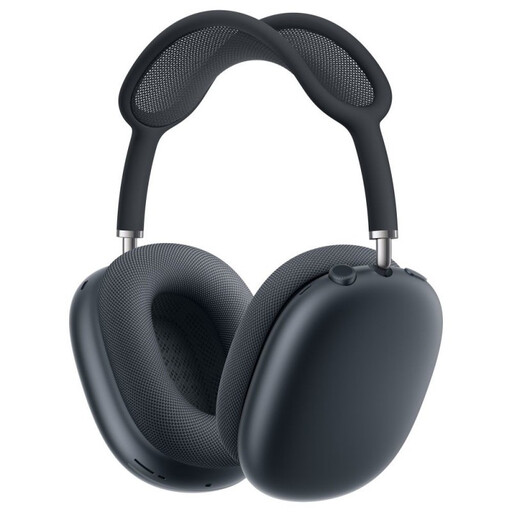 Image unavailable
Before using this model for studio work, check that it suits your connection and mixing setup.
 Image unavailable
Before using this model for studio work, check that it suits your connection and mixing setup.
Wireless headphones; the product name mentions noise cancelling.
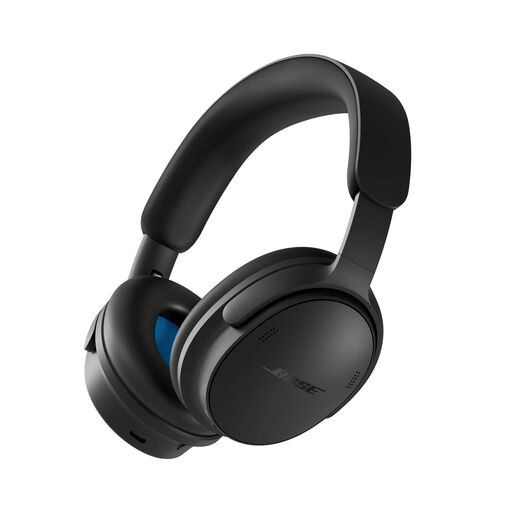 Image unavailable
Before using this model for studio work, check that it suits your connection and mixing setup.
 Image unavailable
Before using this model for studio work, check that it suits your connection and mixing setup.
Bluetooth headphones.
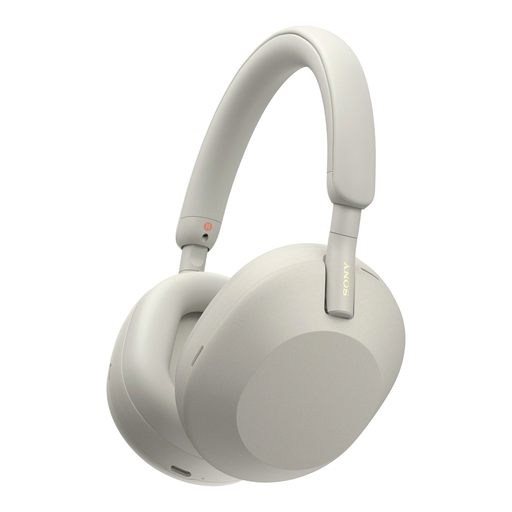 Image unavailable
Before using this model for studio work, check that it suits your connection and mixing setup.
Wireless headphones; the product name mentions noise cancelling.
You can, but when using an active microphone there’s a risk that sound from the ear cups will get into the recording. So compare a closed-back model too, and bear in mind your usual monitoring volume.
A bright window alone doesn’t place any special demands on sound reproduction. If your headphones are in direct sunlight, follow the storage instructions for that specific model; Audio-Technica advises against storing the ATH-M50x in direct sunlight.
Don’t turn the volume up to drown out background noise, and keep an eye on both the volume and how long you listen for. The World Health Organization gives 80 dB for up to 40 hours a week as an example of safe listening; this isn’t a guarantee for every situation.
For an online consumer purchase, you generally have a statutory 14-day cooling-off period after delivery, subject to legal conditions and exceptions. A faulty product is also covered by the statutory guarantee; ACM ConsuWijzer says the seller must resolve the problem. Before buying replacement ear pads or cables, check they’re compatible with your model.