For quiet listening, closed-back headphones that fit well are a sensible choice: they can help limit sound escaping from the ear cups, but they won’t make your own singing inaudible to people nearby. So only sing or record in a space where it’s allowed; OBA Oosterdok’s rules are a local example, not a general library policy. For live vocal monitoring, consider a wired connection and, if your interface supports it, direct monitoring.
Who is this option for?
Quiet listener
You want to listen to the backing track in a library without anyone hearing you sing along. OBA Oosterdok asks people using its quiet floors to ensure others can’t hear sound from their headphones; check the rules for the space you plan to use.
Singer with access to an approved practice space
You want to sing or record in a place where it’s allowed, and perhaps hear your voice back through your equipment. Ableton describes direct monitoring through a suitable audio interface as a way to hear the input signal.
Long-session practiser
You switch between listening quietly and practising in a suitable space. Fit, comfort and a connection that works with your equipment are important considerations; Which? includes comfort in its headphone tests.
What should you look for?
Shure explains that closed-back ear cups can help limit sound escaping from the headphones, and that fit also plays a part. Ableton describes direct monitoring through a suitable audio interface as a way to reduce delay when listening back.
| Buying concern |
What to look for |
Who is this most important for? |
| Sound others can hear |
Check the rules for the space and ask someone sitting next to you to listen at your usual volume. |
If I only want to listen in a quiet library, I want to avoid the backing track reaching other people. Around 36% of consumers prioritise audible sound and whether the location is suitable. |
| Monitoring vocals and backing track |
Check the headphone output and test the complete monitoring setup with your microphone and backing track. |
If I’m singing somewhere it’s allowed, I want to hear my voice and the backing track without distracting delay. Around 29% of consumers give vocal monitoring while singing top priority. |
| Comfort |
Assess the ear pads and headband during a typical listening session. |
For a longer practice session, I want headphones that stay comfortable. Around 21% of consumers put comfort first. |
| Connection and care |
Compare your device’s output with the cable, adapter and connector supplied with the exact model. |
If I want to use the headphones with my own player or interface, the connection needs to fit. Around 14% of consumers prioritise compatibility or maintenance. |
Common buying mistakes
-
Assuming closed-back headphones will make your singing inaudible
A closed-back design can help limit sound escaping from the ear cups, but it won’t stop people nearby from hearing your own voice. OBA Oosterdok’s rules apply to that location, not every library.
Use a quiet space for listening only, and check the local rules before singing audibly anywhere.
-
Choosing Bluetooth for live vocal monitoring without checking the delay
Ableton notes that wireless audio streaming over Bluetooth can add extra delay. This is different from noise cancellation.
Test the complete monitoring setup. If your audio interface supports direct monitoring, also check your recording software settings.
-
Treating the beyerdynamic DT 770 PRO and DT 770 PRO X as the same model
beyerdynamic lists 32, 80 and 250 ohm versions of the DT 770 PRO. The DT 770 PRO X is a different model, with a stated impedance of 48 ohms and a detachable mini-XLR cable.
Before choosing a version, compare the full model name, impedance and cable connector with your equipment.
Relevant brands to compare
Audio-Technica
The closed-back, wired ATH-M50x is worth comparing if you want a detachable cable.
- Audio-Technica lists passive isolation and a detachable cable for the ATH-M50x.
- These product specifications aren’t an independent measurement of sound leakage; people nearby will still be able to hear your own voice.
beyerdynamic
Compare the closed-back DT 770 PRO versions with the separate DT 770 PRO X if impedance and cable type matter for your equipment.
- beyerdynamic lists 32, 80 and 250 ohm versions of the DT 770 PRO, with replaceable ear pads. For the DT 770 PRO X, the brand lists 48 ohms and a detachable mini-XLR cable.
- The versions aren’t necessarily interchangeable, so check the connection on your playback device.
AKG
The closed-back, foldable K371 is a wired option to compare if portability and a detachable cable are important to you.
- On its US product specifications page, AKG lists a weight of 255 g, a nominal impedance of 32 ohms and a detachable cable.
- The stated isolation and comfort aren’t an independent assessment of fit or sound leakage in your situation.
Shure
According to Shure, the closed-back SRH840A is designed for studio monitoring and has a locking, detachable cable.
- Shure lists a padded headband and a closed-back, over-ear design.
- Comfort and sound balance are the manufacturer’s descriptions, not the results of a comparative real-world test for this use.
Sony
The foldable MDR-7506 is a studio option worth comparing if you want a model you can take with you.
- Sony Netherlands lists a foldable design and an included carry pouch.
- Check that the connection works with the equipment you plan to use for practising or recording.
Joybuy headphones
The Joybuy options below are over-ear headphones for listening to the backing track; product information lists different wireless or wired options for each model. For live vocal monitoring, check that the connection works with your equipment.
 No image available
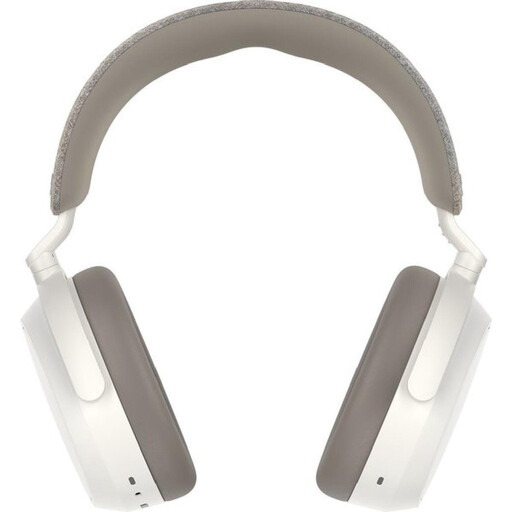
Sennheiser MOMENTUM 4 Wireless, white
Suitable for listening to the backing track wirelessly. The product name mentions noise cancellation and 60-hour battery life.
View at Joybuy
 No image available
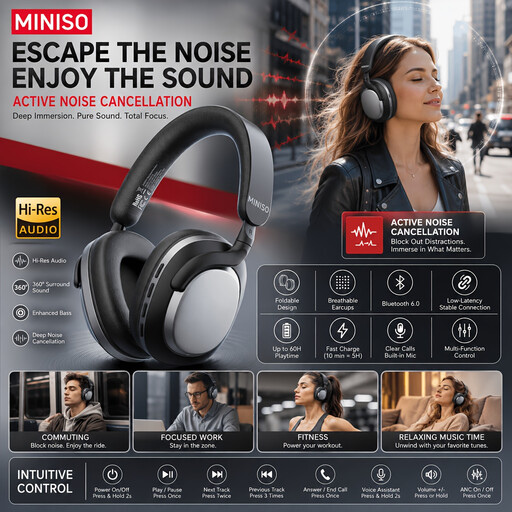
MINISO MG210, black
For listening to the backing track wirelessly. The product name mentions active noise cancellation and 24-hour battery life.
View at Joybuy
 No image available
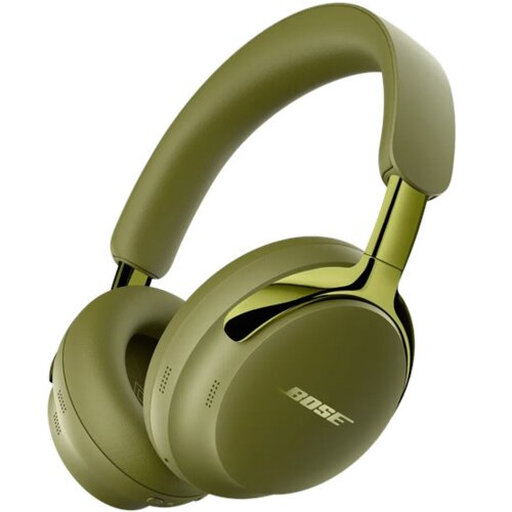
Bose QuietComfort Ultra Headphones (2nd Gen), olive green
For listening to the backing track using a connection that works with your equipment. The product information lists Bluetooth and a detachable cable with USB-C and 3.5 mm connections; check which connection your monitoring setup requires.
View at Joybuy
 No image available
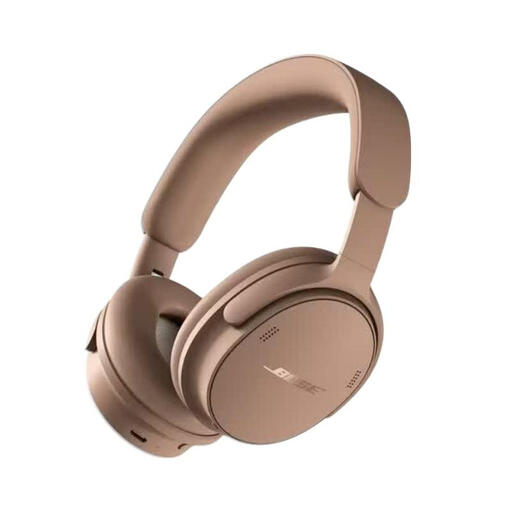
Bose QuietComfort Headphones (2nd Gen), hazelnut taupe
For listening to the backing track over Bluetooth or a wired connection. Check which connection your interface needs for the monitoring setup.
View at Joybuy
 No image available
Bose QuietComfort Ultra Bluetooth Headphones, black
For listening to the backing track over Bluetooth or an audio cable. Check that the connection works with your equipment for live monitoring.
View at Joybuy
Frequently asked questions
Can I sing quietly with studio headphones in a quiet study area?
Headphones don’t make your own voice inaudible to other people. The rules for OBA Oosterdok’s quiet floors require headphone sound to be inaudible to others, so singing audibly isn’t appropriate there. Ask about the local rules at another library or venue.
How can I avoid hearing a delayed echo of my own voice?
If you’re recording in a suitable practice space and your audio interface supports direct monitoring, listen through the interface and switch off duplicate monitoring of the recording track. Check your own equipment settings; headphones alone don’t provide this function.
Can I use Bluetooth to monitor my voice live?
For live vocal monitoring, a wired setup is worth considering, as Ableton notes that Bluetooth can add extra delay. For ordinary playback, wireless listening can be convenient.
What if the headphones turn out to be faulty after purchase?
If there’s a problem with a product, the seller must provide a solution under Dutch government guidance; there’s no fixed statutory guarantee period in the Netherlands. For distance purchases, you’ll also generally have a 14-day cooling-off period. Check the terms that apply to your purchase.


