What should you look for?
Open-back studio headphones
When to choose them: if your room is usually quiet and sound leakage isn’t a problem, you could consider an open-back model for comparing versions.
The trade-off: you’ll still hear ambient noise, and housemates may hear your audio. Sennheiser’s positioning of the HD 560S for analytical listening is a manufacturer claim, not a specific test with restored archive audio.
Closed-back studio headphones
When to choose them: if your room is shared or noisy, models such as the DT 770 PRO, ATH-M50x, K371 and MDR-7506 may be worth considering.
The trade-off: a closed-back design doesn’t guarantee complete silence. Check the fit, cable and connection for your own playback device, too.
The percentages give a broad indication of which buying priority may matter most to consumers in this particular listening situation.
| What to consider |
What to look for |
Who does this matter most to? |
| Assessing audio and comparing versions |
Compare the same clips from the same source at a similar volume; listen to both the original and restored versions. |
If I want to assess changes between versions, I keep the source and volume the same. Around 36% of consumers in this situation prioritise like-for-like comparisons. |
| Room noise and sound leakage |
Work out whether you often listen with other people around, and check the fit and how much sound leaks out. |
When I listen in a shared or noisy room, I want less disturbance from ambient noise and don’t want to disturb others. Around 29% of consumers in this situation prioritise isolation. |
| Comfort and listening volume |
Assess the pressure around your ears during a realistic listening session, and keep the volume at a sensible level. |
When listening repeatedly, I want to know whether the fit stays comfortable without having to keep turning up the volume. Around 21% of consumers in this situation prioritise comfort. |
| Connections and maintenance |
Check the connection on your laptop or audio interface, the supplied cable and adapter, and which wear parts can be replaced. |
If I want to connect the headphones to my own source and check whether parts can be replaced, I look into these points first. Around 14% of consumers in this situation prioritise connections and maintenance. |
Joybuy product picks
This selection of Joybuy products includes a range of headphones, including wireless models and a wired gaming headset. For critical comparisons, check that the connection and use are right for your source; a product name doesn’t prove that restoration faults will be reliably audible.
 No image available
JBL Tune 730BT, Blue
If you use these headphones for archive audio, compare the same clips from the same source at a similar volume; the model name alone doesn’t tell you how well restoration faults will be audible.
Joybuy
 No image available
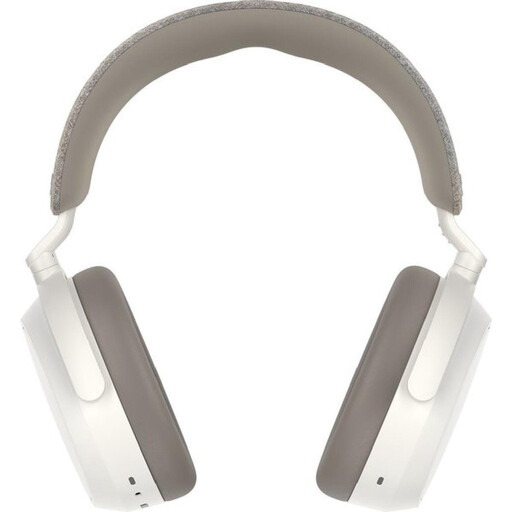
Sennheiser MOMENTUM 4 Wireless, Over-Ear
These wireless over-ear headphones are worth considering if that’s the style you’re looking for. Check that your chosen listening connection works with your audio device, and compare archive clips under the same conditions.
Joybuy
 No image available
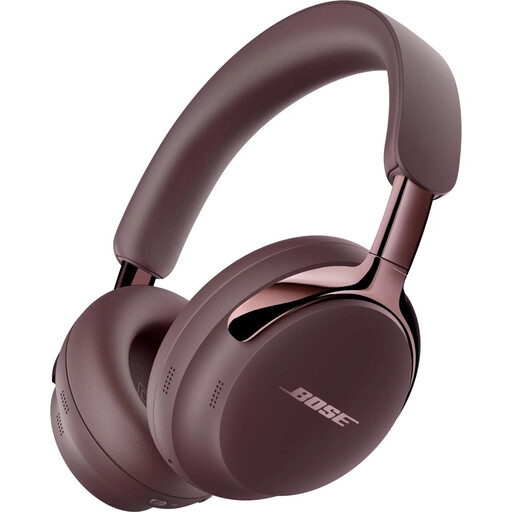
Bose QuietComfort Ultra Headphones (2nd Gen), Cherry Chocolate
The product name mentions noise cancelling; check that the available connection and listening settings suit your source and how you plan to compare recordings.
Joybuy
 No image available
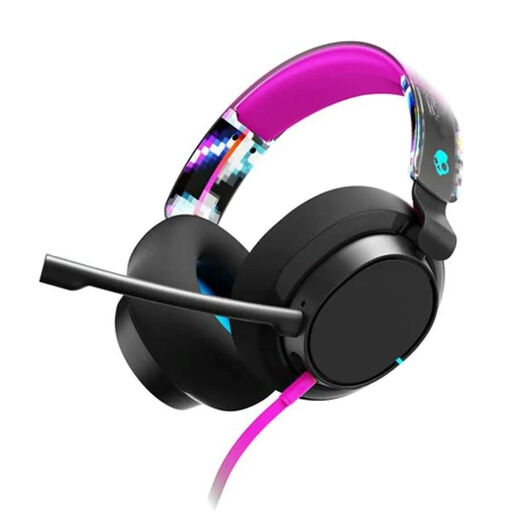
Skullcandy Slyr Pro Multi-Platform Gaming Wired Over-Ear, Black Digi-Hype, Black/Red
This model is described as a wired gaming headset; check that the connection and intended use suit your audio device before choosing it for archive assessment.
Joybuy
 No image available
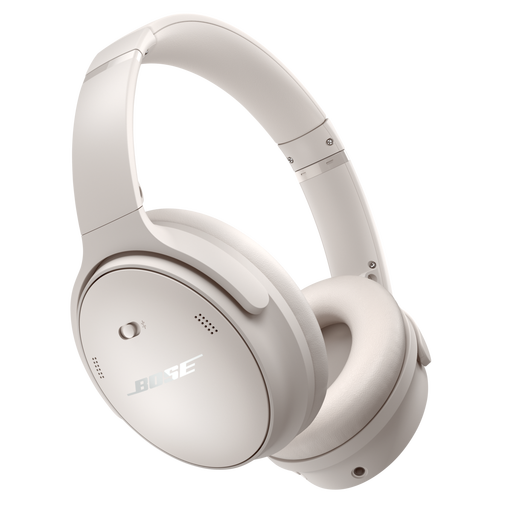
Bose QuietComfort Wireless Bluetooth Noise Cancelling Headphones, White
The product name mentions Bluetooth and noise cancelling; check that the connection and listening setup suit your source, and compare at the same volume.
Joybuy
Frequently asked questions
Should I choose open-back or closed-back headphones for archive audio?
Choose based on your room: open-back headphones may suit you if it’s quiet and sound leakage isn’t a problem; closed-back headphones are more suitable for a shared or noisy room. Choosing based on design and listening conditions doesn’t guarantee that one type will make restoration faults easier to hear.
What should I check before connecting the headphones to my laptop or audio interface?
Check the connection on your own device and the cable or adapter supplied with the exact version. Audio-Technica lists three cables and a 6.3mm adapter for the ATH-M50x; Sony Pro Netherlands lists a 3.5mm/6.3mm adapter for the MDR-7506.
How can I listen repeatedly without continually turning up the volume?
Start at a sensible volume and limit your listening time if you play audio louder. The WHO gives the example of up to 40 hours per week at 80 dB and four hours per week at 90 dB; without a measurement, a laptop’s volume setting doesn’t correspond to a known sound level.
What are my rights when buying online, or if the headphones break too soon?
For online consumer purchases in the Netherlands, you generally have a statutory cooling-off period of up to 14 days after delivery, with some exceptions, according to ACM ConsuWijzer. Separately, statutory guarantees apply if a product used normally doesn’t meet what you could reasonably expect; the retailer is your point of contact. This doesn’t mean that all headphones have the same fixed guarantee period.


